

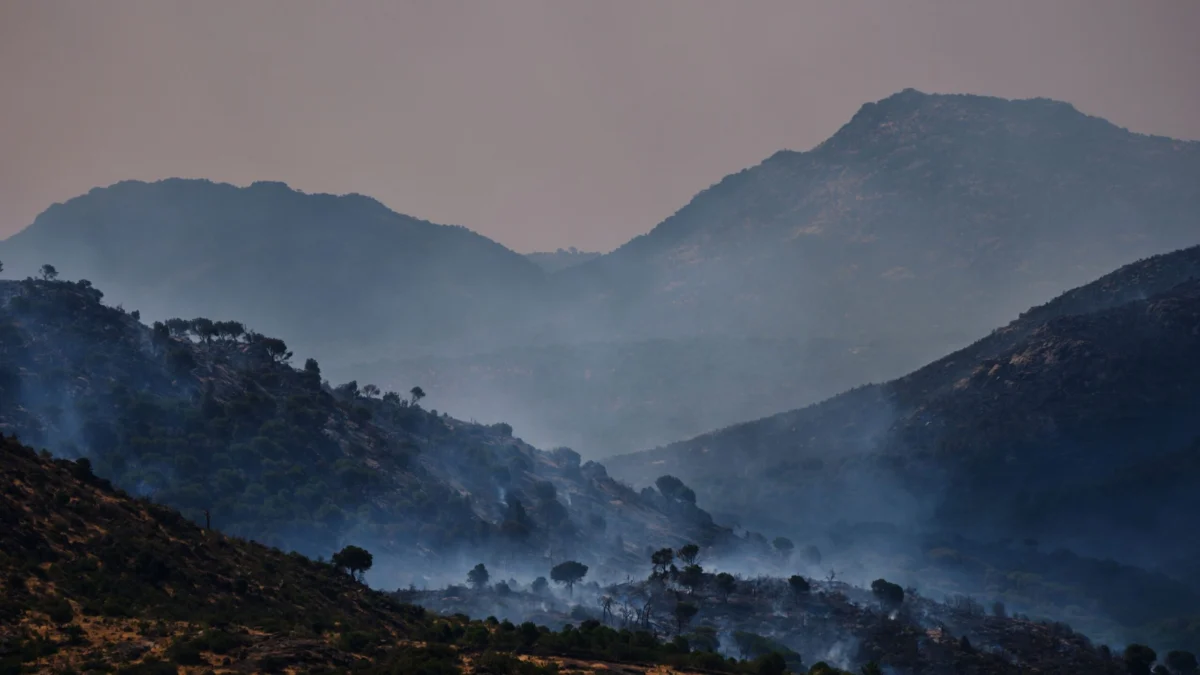
France and Spain are currently grappling with a severe and escalating wildfire crisis, prompting widespread evacuations and a significant international response. In Spain, the state of emergency has been declared in regions around Madrid and in another affected province, as tens of thousands of tourists and residents have been forced to abandon their homes and holiday accommodations. Meanwhile, on the French Atlantic coast, the situation remains dire, with authorities reporting the need for further evacuations of tens of thousands of people. Officials in both nations cite challenging weather conditions, including high temperatures and strong winds, as significant impediments to firefighting efforts.
The scale of these infernos has prompted a robust mobilization of resources, both domestically and internationally, highlighting the growing threat posed by climate change and extreme weather events.
France Intensifies Efforts Amidst Dire Conditions
France is bolstering its resources in a desperate battle against a massive wildfire in the western part of the country. On Saturday, a specially adapted cargo aircraft was deployed to aid in firefighting operations in the Gironde region. French Interior Minister Laurent Nunez has stated that the fight against the blaze, which is located approximately 30 kilometers west of the renowned wine-producing city of Bordeaux, is expected to be "long and very difficult."
The severity of the situation has led to the evacuation of an estimated 197,000 people from both the Gironde and Landes regions. In response to the dramatic escalation, France is increasing its military involvement. Prime Minister Sébastien Lecornu announced after a meeting of the interministerial crisis staff that the number of soldiers assisting firefighters will double from 500 to 1,000. Additionally, 1.5 million FFP2 masks are being distributed to the Gironde region to protect emergency personnel and the public from the hazardous smoke.
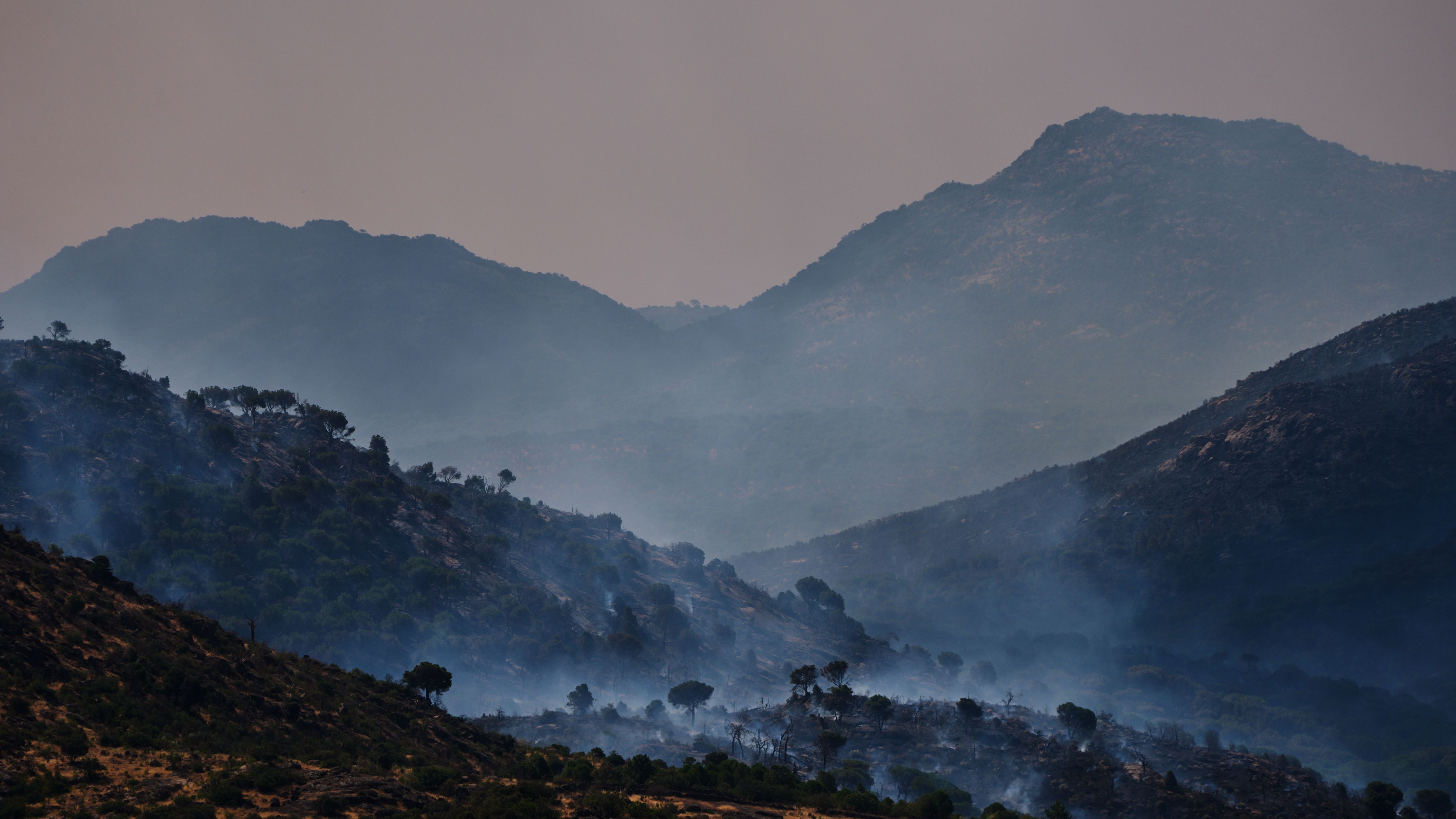
"Unprecedented" Blazes Threaten Iconic Landscapes
Prime Minister Lecornu has described the current fires as "unprecedented," emphasizing that "Our priority is clear: the protection of human lives." He urged that evacuation orders must be "respected without delay." The prefect of the Gironde region has called on residents in three western suburbs of Bordeaux to seek safety. The local airport has also been impacted, and evacuations are underway in other towns and villages further west of Bordeaux.
The major wildfire in the Gironde region originated near the Cap Ferret peninsula on the French Atlantic coast, approximately 60 kilometers from Bordeaux. Residents have described the fires with palpable fear. Laurent Moretti, a resident of the town of Arès, stated, "It is quite impressive and even frightening. An evacuation of this magnitude has never happened before."
Spain Declares National Emergency Amidst Widespread Evacuations
In Spain, the wildfires have forced more than 70,000 people to flee their homes in the vicinity of the capital, Madrid. The province of Ávila, northwest of Madrid, saw 38,000 residents evacuated, according to Francisco Martín Aguirre, the government delegate for Madrid. An additional approximately 35,000 people have been evacuated around the capital. Spanish media reports, citing the Ministry of the Interior, indicate that over 20,000 individuals are unable to leave their homes due to the fires.
Recognizing the gravity of the situation, the Spanish government, led by Prime Minister Pedro Sánchez, declared a "state of national emergency" in the Madrid area and in Ávila on Friday. This marks the first time in Spain’s history that such a declaration has been made specifically due to wildfires, as reported by the public broadcaster RTVE.
Favorable Weather Offers Glimmer of Hope, but Challenges Remain
While Saturday’s weather presented a more favorable outlook, offering firefighters a chance to gain control, concerns persist. The Spanish Ministry of the Interior warned that gusts of wind up to 60 kilometers per hour on Saturday could complicate firefighting efforts. However, overnight conditions had initially been more advantageous, with reduced wind, higher humidity, and lower temperatures, which helped to slow the progression and intensity of the fires, according to the central government’s morning report.

International Solidarity: A European Response to the Crisis
France is receiving crucial support through the European Union’s civil protection mechanism. French President Emmanuel Macron announced that two firefighting aircraft from Croatia, along with helicopters from the Czech Republic and Slovakia, are en route to assist. Italy has dispatched two firefighting aircraft to Spain, and the Spanish civil protection agency is expecting two more aircraft from Greece. Firefighting planes from the Netherlands and Portugal are already operating in Spain.
German Chancellor Friedrich Merz (CDU) has also offered support to France. In a statement on the platform X, he expressed sympathy to President Macron for the "devastating consequences" of the wildfires and stated, "We are ready to help France within the framework of the EU civil protection mechanism. Our thoughts are with those affected and the emergency services."
The Grim Statistics and Underlying Causes
The current wildfires in France and Spain have collectively forced over 260,000 people to evacuate. Authorities have reported dozens of firefighters injured in France. Fortunately, no fatalities have been reported in either country as a direct result of these recent blazes. These fires serve as stark indicators of the escalating impacts of climate change, which is exacerbating extreme weather phenomena like heatwaves and droughts, creating ideal conditions for wildfires to ignite and spread rapidly.
In Spain, the impact this year has been particularly severe, with fires already destroying 130,000 hectares of forest. This figure surpasses the average of 100,000 hectares per year recorded over the past decade, as highlighted by Prime Minister Sánchez. This data underscores a worrying trend of increasing wildfire severity across the Iberian Peninsula.
A Timeline of Escalation and Response
Mid-Week: The severe wildfire situation began to unfold with significant blazes igniting in both France and Spain. In France, a major fire broke out near the Cap Ferret peninsula on the Atlantic coast.

Thursday/Friday: The fires intensified, leading to the first waves of evacuations. In France, tens of thousands were compelled to leave their homes, particularly in the Gironde region. In Spain, the area around Madrid and the province of Ávila experienced significant outbreaks, necessitating large-scale evacuations.
Friday: The Spanish government declared a "state of national emergency" in the affected regions of Madrid and Ávila, a move unprecedented for wildfire events in the country. French authorities began to acknowledge the "long and very difficult" nature of their firefighting efforts.
Saturday: France announced an increase in military support for firefighting operations and the distribution of protective masks. International aid began to arrive and was coordinated through the EU civil protection mechanism. Weather conditions played a crucial role, with some respite observed in Spain due to a temporary decrease in wind and temperature, though concerns about returning winds persisted.
The Broader Implications: Climate Change and Preparedness
The current wildfire crisis in France and Spain is a potent reminder of the interconnectedness of environmental factors and human safety. The increased frequency and intensity of such events are widely attributed to climate change, which fuels hotter, drier conditions conducive to widespread fires. This situation raises critical questions about national and regional preparedness for climate-related disasters.
The reliance on international aid underscores the need for robust cooperative frameworks for disaster response. The deployment of specialized aircraft and personnel from various European nations highlights the value of mutual assistance in times of crisis. However, it also points to a potential need for greater investment in domestic firefighting capabilities and proactive measures to mitigate wildfire risks, such as improved forest management and public awareness campaigns.

The economic and ecological consequences of these infernos are substantial. Beyond the immediate destruction of natural habitats and the displacement of communities, the long-term impact on tourism, agriculture (particularly the wine industry in regions like Bordeaux), and local economies will be significant. The cost of firefighting and reconstruction efforts will place a considerable burden on national budgets.
As these fires continue to rage, the focus remains on saving lives and containing the blazes. However, the events in France and Spain serve as a critical wake-up call, demanding urgent and sustained action to address the root causes of climate change and to enhance our collective resilience to its increasingly severe consequences. The coming days will be crucial in determining the extent to which firefighting efforts can succeed in bringing these devastating fires under control.
