

Science Corporation, an innovative startup at the forefront of developing novel brain-computer interfaces (BCIs), has achieved a significant regulatory milestone by securing approval from Europe’s medical device regulator. This pivotal decision paves the way for the commercialization of its groundbreaking device, PRIMA, designed to restore functional vision lost due to age-related macular degeneration (AMD). The announcement marks a critical step not only for patients suffering from this debilitating condition but also for the broader BCI industry, as it demonstrates a viable pathway for high-tech neuroprosthetics to reach market and generate sustainable revenue.
The company further announced that PRIMA has received a designation from the U.S. Food and Drug Administration (FDA) that serves as the initial step toward an expedited regulatory review. This fast-track status suggests the device could soon be evaluated for use in treating two rare forms of blindness, potentially expanding its reach and impact across the globe. These parallel regulatory advancements underscore the device’s potential and the urgency recognized by health authorities to address severe vision impairment.
Addressing the Global Burden of Age-Related Macular Degeneration
Age-related macular degeneration stands as a leading cause of vision loss among older adults worldwide. Affecting millions globally, AMD progressively damages the macula, a crucial part of the retina responsible for sharp, central vision. This deterioration primarily impacts the light-sensitive cells at the back of the eyes, leading to severe difficulties with daily tasks such as reading, recognizing faces, and driving. The World Health Organization (WHO) estimates that AMD affects approximately 196 million people globally, a figure projected to rise to 288 million by 2040 due to an aging population. Current treatments, such as anti-VEGF injections, primarily slow the progression of wet AMD, while options for dry AMD (the more common form) are limited, often relying on nutritional supplements and low vision aids. PRIMA offers a radically different approach, aiming to restore functional vision where it has been lost, rather than merely preserving remaining sight.
How PRIMA Restores Sight: A Breakthrough in Neuroprosthetics
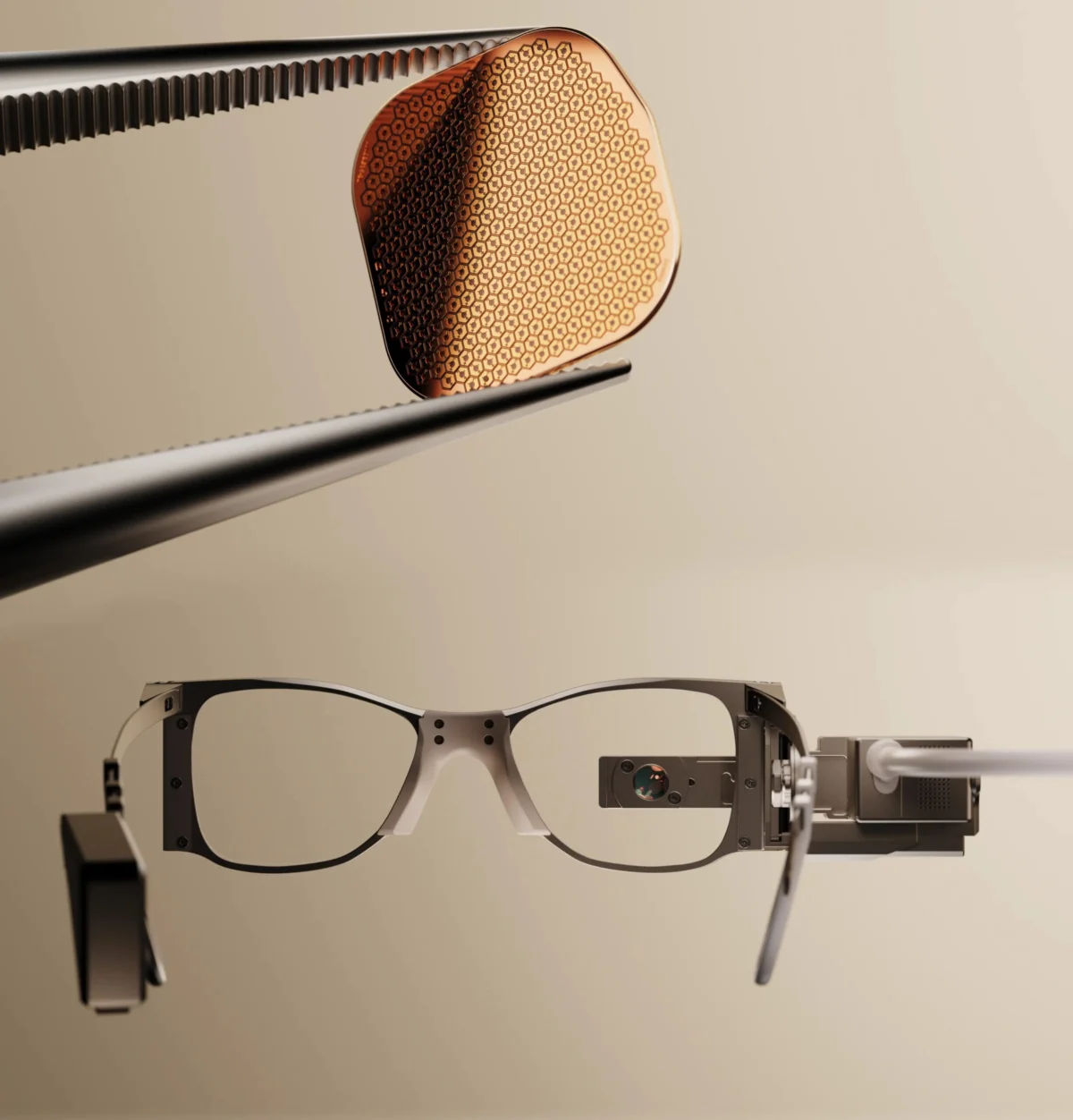
The PRIMA system represents a sophisticated fusion of microelectronics and neurobiology. For patients experiencing vision loss due to AMD, the treatment involves a relatively swift, hour-long outpatient surgical procedure. During this procedure, a diminutive, highly advanced chip is meticulously implanted into the back of the patient’s eye. Following recovery, patients are equipped with specialized glasses that integrate a camera. This camera captures a real-time view of the world, which is then wirelessly transmitted to the implanted chip. The chip, acting as an artificial retina, stimulates the remaining healthy retinal cells, bypassing the damaged macula and sending visual information directly to the brain.
Max Hodak, the visionary founder and CEO of Science Corporation, articulated the profound impact of this technology, stating that PRIMA is designed to provide "functional vision to people who have lost it." He shared compelling anecdotes that illustrate the device’s transformative potential. "One of our patients in France finished a 300-page novel a little while ago, and sent us the book," Hodak recounted to TechCrunch, highlighting the restoration of a deeply personal and enriching activity. He added, "We have a sketch on the wall [that] one of our patients drew of the Sydney Opera House. There are videos of patients playing crossword puzzles and filling in Sudoku." These personal accounts vividly demonstrate the return of independence and engagement with the world that PRIMA offers, moving beyond mere light perception to enable complex visual tasks.
Max Hodak’s Strategic Pivot: From Neuralink to Sustainable BCI Development
Max Hodak is a prominent figure in the neurotechnology landscape, widely recognized as the co-founder and former president of Neuralink, Elon Musk’s ambitious BCI startup focused on high-bandwidth brain-computer interfaces for a myriad of applications, including treating neurological disorders and enhancing human capabilities. Hodak departed Neuralink in 2021, driven by a distinct vision to establish Science Corporation. His new venture aimed to pursue a novel BCI paradigm based on a hybrid approach combining advanced silicon chips with living cells. However, Hodak understood that achieving such long-term, complex technological goals required a solid foundation of proven processes and, critically, a sustainable business model.
This strategic imperative informed Science Corporation’s initial focus. Hodak emphasized the need for commercial success to fuel future innovation. "The thing that the space needs is a company making $100 million a year of revenue," Hodak explained. He expressed concern about the potential for the broader BCI field to enter a "winter" — a period of reduced investment and slowed progress — if companies couldn’t demonstrate tangible commercial viability. "We think it’s important to build a sustainable business as we develop these longer-term technologies," he asserted, laying bare the pragmatic approach guiding Science Corporation.
The Acquisition of Pixium and the Path to Commercialization
Hodak and his team meticulously explored various avenues to build this sustainable business, ultimately identifying vision restoration for patients with light-detecting cell issues as the most promising initial application. Their search led them to Pixium Vision, a French company that had been developing the very technology now known as PRIMA. Recognizing the potential and the proven path forward, Science Corporation acquired Pixium Vision in 2024. This acquisition was a crucial accelerator, allowing Science to leverage Pixium’s foundational research and clinical data while applying its internal platform to streamline documentation, refine product development, and navigate the intricate landscape of regulatory approval and eventual commercialization.
The regulatory approval process, particularly securing the CE Mark in Europe, is a rigorous multi-step process that evaluates a medical device’s safety, performance, and compliance with the European Union’s stringent health and environmental protection standards. This certification is a prerequisite for selling medical devices within the European Economic Area. The FDA’s expedited review designation, on the other hand, signals the agency’s belief that PRIMA has the potential to provide more effective treatment or diagnosis for life-threatening or irreversibly debilitating diseases than existing therapies. This designation can lead to quicker review times and enhanced interaction with the FDA, accelerating patient access in the U.S.
Market Entry, Cost, and Reimbursement Challenges
The path to widespread adoption, however, comes with its own set of challenges, particularly concerning cost and reimbursement. Each PRIMA device is projected to cost in the "hundreds of thousands of dollars," placing it among the most expensive medical devices. Science Corporation and its medical partners in Europe are currently engaged in crucial discussions with healthcare providers and insurance companies regarding reimbursement strategies. These negotiations are vital to ensure that the innovative technology is accessible to patients, rather than being limited by financial barriers.
The company is strategically laying the groundwork to commence offering PRIMA in Germany, a country known for its robust healthcare system and where the initial clinical trials were successfully conducted. Science Corporation anticipates that the first commercial procedures could take place as early as September, marking the official launch of PRIMA in the European market. This phased rollout will provide invaluable insights into market dynamics, patient outcomes, and reimbursement models, informing future expansion into other European nations and, eventually, the United States.
Future Enhancements and the Broader BCI Vision
Science Corporation is not resting on its laurels. The company has ambitious plans to continuously improve PRIMA’s capabilities. Future iterations are expected to feature new, more powerful chips, offering enhanced vision capabilities and potentially expanding the range of visual detail and processing. Furthermore, the form factor of the accompanying glasses is targeted for significant advancements. Currently, the glasses require an external battery pack for operation, which can be cumbersome for users. The long-term goal is to integrate the necessary power and compute requirements into a sleek, self-contained design akin to Meta’s AR glasses, though Hodak acknowledges that PRIMA’s power and processing demands are considerably more significant than typical augmented reality applications.
Beyond vision restoration, Science Corporation remains committed to its foundational mission of developing advanced bio-hybrid brain sensors. The company is actively collaborating with Dr. Murat Günel, the esteemed chair of Yale Medical School’s Department of Neurosurgery, to develop protocols and procedures for human trials of a directly implanted bio-hybrid brain sensor. This represents the cutting edge of BCI technology, aiming for more direct and intricate interfaces between the human brain and external computing systems, potentially unlocking new treatments for neurological disorders, advanced prosthetics, and even cognitive augmentation.
Implications for the BCI Industry and Neuroethics
The success of PRIMA carries profound implications for the entire brain-computer interface industry. By bringing a sophisticated BCI device to market and demonstrating commercial viability, Science Corporation provides a critical validation point for investors and researchers alike. It illustrates that BCIs are not merely futuristic concepts but tangible medical solutions capable of transforming lives and generating revenue. This success could stimulate further investment in the BCI sector, accelerating research and development across various applications.
However, the advent of such powerful neurotechnologies also brings forth important ethical considerations. Questions surrounding accessibility, equity, data privacy, and the long-term societal impact of integrating technology directly with the human brain will become increasingly prominent. As devices like PRIMA become more prevalent, discussions around who gets access to these expensive technologies, how personal neural data is protected, and the potential for a "technologically enhanced" divide in society will require careful deliberation from policymakers, ethicists, and the public.
Hodak reiterates that the commercial success of PRIMA is paramount to realizing these broader ambitions. "Bringing PRIMA to market is the most important thing for the company, because we don’t get to do the bio hybrid stuff long term if you don’t have a great vision business," he emphasized. "That’s what’s really financing the rest of it – that’s the thing that investors know how to build spreadsheets around." This clear articulation of strategy highlights a pragmatic approach in the often-speculative world of high-tech startups: building a strong, profitable foundation with a life-changing product to fund the more ambitious, transformative research that lies ahead. Science Corporation’s journey with PRIMA serves as a compelling blueprint for how innovative neurotechnology can transition from the lab to the clinic, offering hope and new possibilities for millions.
