

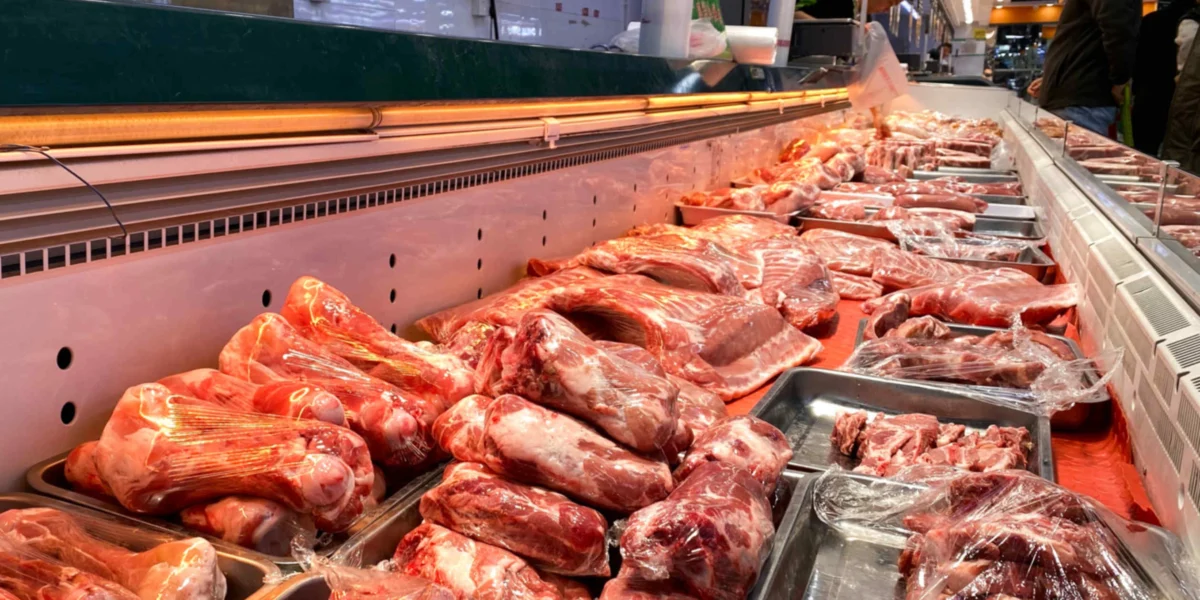
The proliferation of industrial-scale pig farms equipped with advanced technology has led to a steady drop in pork prices in China, a trend that has persisted for 13 consecutive months. This significant decline, coupled with evolving dietary habits and rising living standards, is reshaping China’s agricultural landscape and presenting both challenges and opportunities for the nation’s vast pork industry. The sustained downturn in pork prices is a complex phenomenon, reflecting not only increased production efficiency but also a dynamic interplay of consumer demand and government policy.

The Industrialization of China’s Pork Sector
Over the past decade, China has witnessed a dramatic transformation in its pork production methods. Historically dominated by small, backyard farms, the industry has rapidly consolidated and industrialized. This shift has been driven by a confluence of factors, including government initiatives to modernize agriculture, improve food safety standards, and enhance efficiency. Large-scale, technologically advanced pig farms have emerged as the new vanguard of pork production. These facilities often incorporate sophisticated management systems, including automated feeding, climate control, disease prevention protocols, and data analytics to optimize breeding and growth.
This industrialization has had a profound impact on supply. The sheer scale of these operations, combined with improved breeds and husbandry techniques, has led to a substantial increase in the volume of pork produced. For instance, according to data from the National Bureau of Statistics of China, the country’s annual pork output has seen fluctuations but has generally remained robust, with periods of significant growth following government efforts to rebuild herds after African Swine Fever outbreaks. The efficiency gains from industrial farming mean that the cost of production per kilogram of pork has gradually decreased, creating a downward pressure on market prices.

Shifting Consumer Preferences and Dietary Evolution
Simultaneously, China’s evolving consumer landscape has played a crucial role in the current market dynamics. As living standards have risen for a significant portion of the population, dietary patterns have begun to shift. While pork remains a staple meat, there has been a noticeable diversification in protein consumption. Increased access to and affordability of other protein sources, such as poultry, beef, and seafood, has led some consumers to reduce their reliance on pork.
Furthermore, growing health consciousness among the Chinese populace has also influenced food choices. Concerns about the health implications of high-fat diets, coupled with greater awareness of nutritional science, have prompted some consumers to opt for leaner protein alternatives or to moderate their overall meat consumption. This gradual, yet significant, change in consumer preferences has meant that the demand for pork, while still substantial, has not kept pace with the surging supply.

A Prolonged Period of Price Decline
The consequence of this supply-demand imbalance is a prolonged period of declining pork prices. Data indicates that pork prices in China have experienced a sustained downward trend for the past 13 months. This is a significant departure from previous cycles where prices often exhibited more volatility, driven by disease outbreaks or seasonal demand. The current slump suggests a more fundamental shift in market conditions.
For consumers, this sustained price drop has been a welcome development, offering greater purchasing power and making pork a more accessible commodity. Supermarkets across China have seen a steady supply of pork at competitive prices, a stark contrast to periods of scarcity and high costs that consumers have experienced in the past, particularly in the aftermath of the African Swine Fever epidemic that decimated China’s hog population in 2018-2019.

Background Context: Recovering from African Swine Fever
To fully appreciate the current situation, it’s essential to recall the severe impact of African Swine Fever (ASF). The outbreak that began in 2018 devastated China’s hog herd, leading to a dramatic reduction in pork supply and unprecedented price spikes. In response, the Chinese government implemented stringent measures to control the disease and encouraged rapid rebuilding of pig populations. This rebuilding effort, coupled with the accelerated industrialization of farming, has created a scenario of oversupply in the current market. The industry essentially overcorrected, driven by a desire to ensure future food security and capitalize on market opportunities.
Timeline of Key Developments
- 2018-2019: African Swine Fever outbreak decimates China’s pig population, leading to severe pork shortages and record-high prices.
- 2020-2022: Government incentives and industry investment spur rapid rebuilding of hog herds and acceleration of farm industrialization.
- 2023: As supply recovers and industrial efficiency increases, the market begins to see a stabilization and then a gradual decline in pork prices.
- Mid-2025 to Mid-2026: Pork prices enter a sustained period of decline, marking 13 consecutive months of falling prices by July 2026.
Supporting Data and Industry Analysis
Official statistics from China’s Ministry of Agriculture and Rural Affairs have indicated a consistent recovery and growth in the national pig herd size following the ASF crisis. While specific figures fluctuate monthly, the overall trend points to a significantly larger supply base compared to pre-ASF levels. Concurrently, agricultural economists have noted the increasing efficiency of large-scale farms. These operations benefit from economies of scale, optimized feed conversion ratios, and reduced mortality rates, all contributing to a lower cost of production.

Independent market research firms specializing in agricultural commodities have reported on the sustained downward trend in wholesale and retail pork prices. These reports often include analyses of futures markets, which also reflect expectations of continued ample supply. The average price per kilogram of pork at wholesale markets has reportedly fallen by a significant percentage over the past year, directly impacting the profitability of some producers.
Potential Reactions and Industry Implications
The current price environment presents a mixed bag of implications for various stakeholders in China’s pork industry.

For Farmers: Small and medium-sized producers, particularly those who have not yet modernized their operations, are facing significant pressure. The falling prices erode their profit margins, making it difficult to compete with the cost efficiencies of large industrial farms. Some may be forced to exit the market or consolidate their operations. Larger, more efficient farms, while experiencing lower per-unit profits, are better positioned to absorb the price decline due to their scale and reduced operational costs. They may also benefit from increased market share as smaller competitors struggle.
For Consumers: The sustained low prices are a boon for consumers, making pork more affordable and accessible. This could lead to increased consumption of pork, potentially offsetting some of the demand-side shifts. However, the long-term impact on consumer habits remains a key factor to monitor.

For Government Policy: The sustained oversupply and price decline may prompt the government to re-evaluate its agricultural support policies. While industrialization has been a key goal, ensuring the stability of the agricultural sector and supporting rural livelihoods will remain paramount. Policies might shift towards managing supply more effectively or supporting diversification within the agricultural sector.
For Related Industries: The downstream food processing industry, which relies on pork as a key ingredient, stands to benefit from lower raw material costs. This could lead to more competitive pricing for processed pork products, further stimulating consumer demand. Conversely, industries that supply inputs to pig farming, such as feed manufacturers, might see reduced demand if overall production levels are managed downwards in response to the price slump.

Broader Economic and Social Impacts
The dynamics within China’s pork sector have broader economic and social implications. Pork is a significant component of the Chinese diet and a major contributor to the agricultural economy. A sustained period of low prices can affect rural incomes and employment, particularly in regions heavily reliant on pig farming.
Furthermore, the shift towards industrial-scale farming raises questions about environmental sustainability and animal welfare, which are increasingly important considerations for consumers and policymakers alike. The concentration of livestock in large facilities requires robust environmental management systems to mitigate issues such as waste disposal and emissions.

The current price trend in China’s pork market is a complex interplay of technological advancement, consumer behavior, and historical events. The industrialization of pig farming has undoubtedly boosted supply and efficiency, while evolving dietary habits have moderated demand. The sustained price drop is a clear indicator of a market recalibrating after a period of intense supply recovery. The long-term implications will depend on how effectively producers adapt, how consumer preferences continue to evolve, and how government policies steer the sector towards sustainable growth and stability. The coming months will be crucial in observing whether this price correction leads to a more balanced and resilient agricultural economy.
