

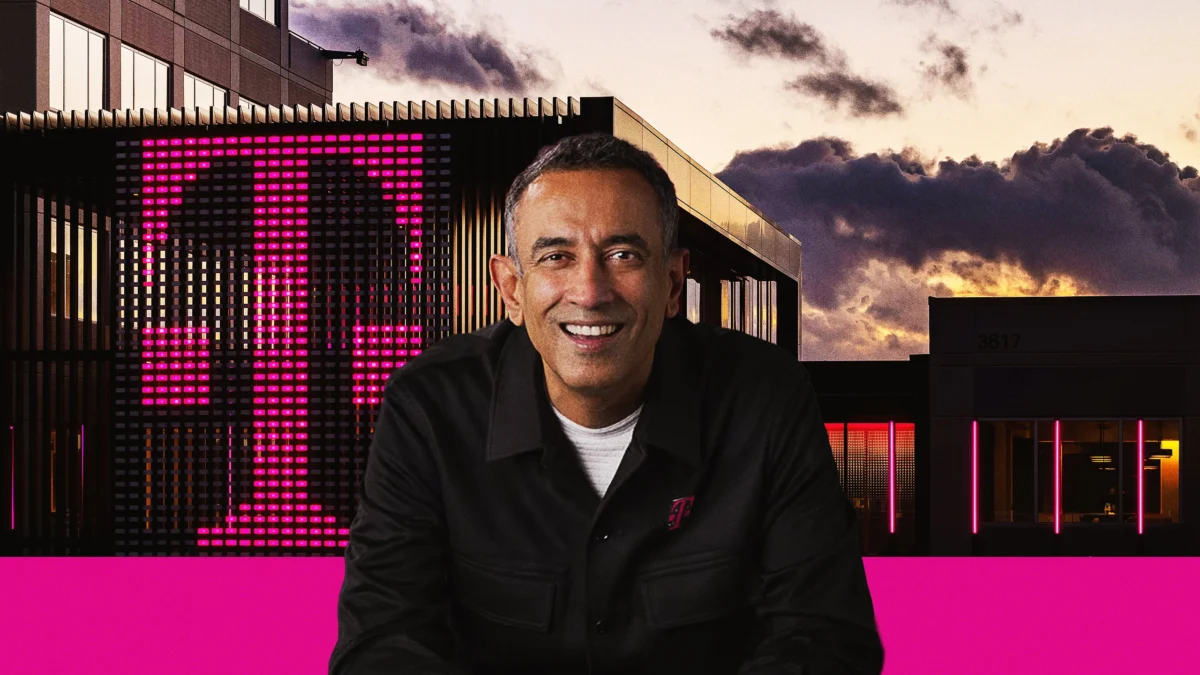
Shareholders at T-Mobile US have voiced significant disapproval regarding the executive compensation packages, culminating in a notably low approval rating for the remuneration plan at the company’s recent annual meeting. The vote, which saw only 73.3% of shareholders approve the compensation, marks a substantial decline from previous years and signals growing shareholder concern over executive pay at the telecommunications giant. This development occurs at a critical juncture for T-Mobile US, a company that has recently seen its CEO, Srini Gopalan, earn a substantial $35 million in his first year. The low approval rating for executive pay is the lowest recorded since the advisory vote was introduced in 2014, raising questions about corporate governance and shareholder rights within one of the United States’ largest mobile carriers.

Background: A Shifting Landscape in Executive Compensation
The T-Mobile US shareholder vote on executive compensation is part of a broader trend of increased shareholder activism and scrutiny regarding executive pay across major corporations. In recent years, institutional investors and proxy advisory firms have become more vocal in challenging what they perceive as excessive compensation packages, particularly when such packages are not clearly aligned with company performance or shareholder value. The advisory vote, often referred to as a "say-on-pay" vote, allows shareholders to express their opinion on the compensation of a company’s top executives. While these votes are typically non-binding, a significant dissent can send a powerful message to the board of directors and management, often prompting a review of compensation policies.
T-Mobile US, as a subsidiary of the German telecommunications giant Deutsche Telekom, operates within a complex regulatory and corporate governance framework. The company’s largest shareholder, Deutsche Telekom, holds a commanding 54.5% stake, granting it substantial influence over corporate decisions. Historically, T-Mobile US’s annual shareholder meetings have been relatively uneventful, particularly concerning executive compensation, due to this dominant shareholding. However, the recent vote indicates a shift, suggesting that even with a controlling shareholder, minority shareholder sentiment can coalesce and exert pressure.
The Compensation Package and Shareholder Concerns
The compensation package under scrutiny includes the significant earnings of CEO Srini Gopalan, who reportedly received $35 million in his initial year at the helm. This figure, combined with the overall remuneration for the executive team, has drawn criticism from a notable portion of the shareholder base. While T-Mobile US has experienced considerable success in the U.S. market, with Gopalan’s tenure coinciding with the company’s position as the most valuable mobile operator in the United States, shareholders appear to be questioning the proportionality of executive earnings relative to the company’s overall financial performance and shareholder returns.
The decline in approval for executive compensation is stark when compared to previous years. In 2023, the same compensation plan received an impressive 96.7% approval rating. Even in 2020, a year marked by controversy over special payments to the then-CFO, the approval rate still stood at a respectable 82%. The drop to 73.3% in the latest vote represents a significant erosion of shareholder confidence in the compensation committee’s decisions.
Shareholder advisory firms often play a crucial role in shaping these votes. These firms analyze executive compensation packages and provide recommendations to institutional investors. Factors typically considered include the alignment of pay with performance metrics, the structure of compensation (e.g., base salary, bonuses, stock options, long-term incentives), peer group compensation data, and any unusual or controversial elements. The substantial earnings of the CEO, coupled with the broader executive compensation structure, likely triggered concerns among these advisors and, consequently, among the investors they represent.
Chronology of Events and Vote Outcomes
- 2014: T-Mobile US introduces its advisory "say-on-pay" vote, allowing shareholders to formally express their views on executive compensation.
- 2020: Despite criticism regarding special payments to the Chief Financial Officer, T-Mobile US’s executive compensation plan receives 82% shareholder approval.
- 2023: The company’s executive compensation package garners strong support, achieving a 96.7% approval rating from shareholders.
- June 16, [Recent Year]: T-Mobile US holds its annual shareholder meeting. During the meeting, shareholders vote on the executive compensation plan.
- Vote Outcome: The executive compensation plan receives only 73.3% approval, marking a significant decline and the lowest approval rating since the vote’s inception. CEO Srini Gopalan’s compensation for his first year is reported to be $35 million.
Data and Supporting Evidence
The data from T-Mobile US’s say-on-pay votes clearly illustrates the growing discontent. The significant drop from 96.7% approval in 2023 to 73.3% in the current year is a substantial shift, representing a considerable increase in dissenting votes. This percentage is calculated based on the number of shares voted in favor of the resolution, excluding abstentions and broker non-votes.

While the exact breakdown of votes is not publicly available, a decline of this magnitude suggests that a substantial number of shareholders, potentially including institutional investors who hold significant blocks of shares, expressed their disapproval. The median compensation for CEOs at large-cap telecommunications companies in the U.S. can vary significantly, but reports from compensation analysis firms often place it in the tens of millions of dollars. T-Mobile US’s reported $35 million for CEO Gopalan places him within the upper echelons of executive earnings in the sector.
The fact that the vote occurred at the annual meeting on June 16th underscores the timing of this shareholder protest. This date falls within the typical period for major U.S. corporations to hold their shareholder meetings and conduct advisory votes on executive compensation. The timing also highlights that the compensation package for the most recent fiscal year, likely including Gopalan’s first year as CEO, was the subject of this shareholder review.

Potential Reactions and Implications
The low approval rating for executive compensation is likely to prompt a response from T-Mobile US’s board of directors and its compensation committee. While the vote is non-binding, boards typically take such results seriously. A significant dissent can lead to:
- Increased Dialogue: The board may engage in more direct communication with major shareholders, including institutional investors and proxy advisory firms, to understand the specific concerns driving the dissent.
- Compensation Committee Review: The compensation committee will likely conduct a thorough review of the executive compensation philosophy and practices. This could involve reassessing the metrics used to determine incentive pay, the benchmarking process against peer companies, and the overall structure of awards.
- Potential Adjustments: In response to shareholder feedback, the company might consider making adjustments to future compensation packages. This could include modifying performance targets, altering the mix of cash and equity compensation, or reducing the size of awards.
- Enhanced Disclosure: T-Mobile US may be prompted to provide more detailed explanations in its future proxy statements regarding the rationale behind executive compensation decisions and how they align with company performance and shareholder value creation.
The implications of this vote extend beyond T-Mobile US. It serves as a reminder to corporate boards across industries that shareholders are increasingly vigilant about executive pay. The success of shareholder activism in this area can influence corporate governance practices more broadly, encouraging greater transparency and accountability in executive compensation decisions.

Broader Context: T-Mobile’s Market Performance
T-Mobile US has demonstrated remarkable growth and success in the competitive U.S. telecommunications market. Under the leadership of its management team, the company has significantly expanded its customer base and network capabilities, often positioning itself as a disruptor to established players. The company’s strategic focus on customer service and value has resonated with consumers, contributing to its strong market position.
Srini Gopalan took over as CEO in April 2022, succeeding Mike Sievert. Gopalan’s background includes extensive experience within the Deutsche Telekom group, having previously led its European operations. His tenure has been marked by continued strategic initiatives aimed at solidifying T-Mobile’s position as a leader in 5G technology and customer experience. The company’s stock performance and market valuation are key indicators that shareholders often consider when evaluating executive pay. While the current report does not detail the stock performance during Gopalan’s tenure, it is a critical factor that would have been assessed by both the compensation committee and shareholders.

The contrast between T-Mobile’s operational successes and the shareholder dissent on compensation highlights a potential disconnect. Shareholders may acknowledge the company’s achievements but still believe that the current compensation structure is out of line with broader market norms or that it could be structured more effectively to further incentivize long-term, sustainable value creation.
Conclusion
The recent shareholder vote at T-Mobile US underscores a critical dynamic in modern corporate governance: the increasing assertiveness of shareholders in scrutinizing executive compensation. The significant decline in approval for the company’s pay packages, particularly in light of its CEO’s substantial earnings, signals a clear message to the board and management. While T-Mobile US has a strong track record of market performance, this vote suggests that shareholders are demanding greater justification and alignment between executive pay and overall shareholder interests. The company’s response to this dissent will be closely watched, potentially setting a precedent for how other corporations address shareholder concerns regarding executive remuneration in an era of heightened transparency and activism.
