

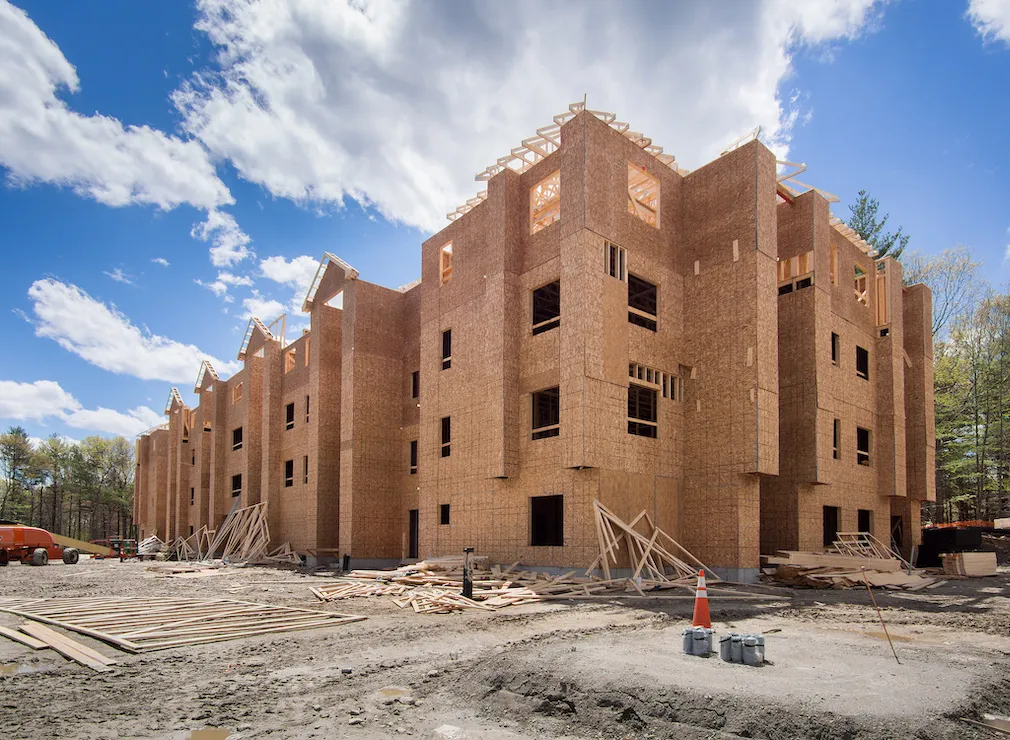
The landscape of American residential development continued its profound shift toward a rental-centric model during the closing months of 2025, as multifamily construction starts showed a significant tilt toward built-for-rent product. According to a detailed analysis of U.S. Census Bureau data conducted by the National Association of Home Builders (NAHB), the final quarter of 2025 saw a total of 96,000 multifamily units begin construction. Of these, a staggering 91,000 units were designated specifically for the rental market, marking an 18% year-over-year increase compared to the fourth quarter of 2024. This trend underscores a persistent structural preference within the housing industry, where rental units now account for 95% of all multifamily starts, leaving the for-sale condominium and cooperative segment at a historical nadir.
The dominance of the rental sector is not merely a short-term fluctuation but represents a near-total capture of the multifamily pipeline. While the total volume of starts remains sensitive to broader economic conditions, the share of those starts dedicated to the rental market has reached levels rarely seen in the history of modern housing data. NAHB Chief Economist Robert Dietz noted that while the figures are robust, they exist in a complex environment where other leading indicators suggest a cooling in certain segments of the multifamily market. Consequently, there is an expectation among analysts that these preliminary Census figures may be subject to downward revisions in subsequent reports as more granular data regarding completions and absorption rates becomes available.
A Historical Perspective on the Rental-to-Ownership Ratio
To understand the magnitude of the current 95% rental share, one must look at the historical trajectory of the American multifamily market over the last four decades. Between 1980 and 2002, the distribution of multifamily construction was considerably more balanced. During this period, the rental share of multifamily starts averaged approximately 80%, with the remaining 20% dedicated to for-sale products such as condominiums. This balance allowed for a steady stream of entry-level homeownership opportunities in high-density urban and suburban environments.
The market saw its most dramatic divergence from this norm during the mid-2000s housing boom. In the third quarter of 2005, the rental share of multifamily starts plummeted to a historic low of 47%. During this era, developers aggressively pursued "condo conversions" and new-build condominium projects, fueled by easy credit and a cultural emphasis on homeownership as a primary vehicle for wealth accumulation. The subsequent 2008 financial crisis and the Great Recession effectively dismantled the for-sale multifamily market, leading to a long-term institutional pivot toward rental housing.
Since the recovery began in 2011, the rental share has rarely dipped below 90%. The fourth quarter of 2025 represents a continuation of this post-recession "new normal," where the risk profile of for-sale multifamily projects remains unpalatable for many lenders and developers compared to the steady cash flows provided by institutional-grade rental portfolios.
Analyzing the Stagnation of the Condominium Market
In contrast to the 18% surge in rental starts, the for-sale multifamily segment—primarily comprised of condominiums—showed no growth in the fourth quarter of 2025. Only 6,000 units intended for sale were started during this period, a figure that remained flat compared to the previous year. This stagnation highlights the significant headwinds facing developers who wish to build for-sale attached housing.
Several factors contribute to the "condo crunch." Chief among them are the rigorous liability regimes in many states that expose developers to long-term litigation over construction defects, making insurance for for-sale projects prohibitively expensive. Furthermore, the financing environment for individual condo buyers remains more restrictive than for single-family homes, with many mortgage products requiring high levels of building pre-sales or specific occupancy ratios before a loan can be approved. Without a significant shift in these regulatory and financial frameworks, the for-sale multifamily segment is expected to remain a marginal component of the overall housing supply.
Unit Size and the Drive for Affordability
The heavy emphasis on rental product is also dictating the physical characteristics of new housing. According to the NAHB analysis, the average size of a multifamily unit started in the fourth quarter of 2025 was 1,068 square feet, with a median size of 1,048 square feet. While these figures represent a slight uptick in dimensions compared to the immediate post-pandemic lows, they remain consistently below the average sizes seen prior to the Great Recession.
The trend toward smaller units is a direct response to the economics of the rental market. As land costs, labor expenses, and material prices have remained elevated, developers have optimized unit footprints to maintain "attainable" monthly rent prices while maximizing the number of units per acre. Smaller units—often categorized as studios, one-bedroom, and "one-bedroom plus den" configurations—are more conducive to the demographic demand from young professionals and single-person households, who currently make up a significant portion of the rental pool. This "downsizing" of the American apartment reflects a market geared toward efficiency and affordability rather than the spacious luxury layouts that characterized the mid-2000s for-sale boom.
Economic Drivers and Developer Strategy
The strategic choice to lean into rentals in late 2025 is driven by a combination of interest rate volatility and shifting consumer behavior. Throughout 2024 and 2025, the "lock-in effect"—where existing homeowners are reluctant to sell because they hold low-interest mortgages—has constrained the supply of single-family homes. This has forced many would-be buyers to remain in the rental market for longer periods, sustaining high demand for multifamily apartments.
Institutional investors and Real Estate Investment Trusts (REITs) have also played a pivotal role. These entities favor the scalability of rental communities, particularly in "Sun Belt" markets and high-growth secondary cities. For a developer, securing a single construction loan for a 300-unit rental building is often more straightforward than managing the individual unit sales and complex closing timelines associated with a 300-unit condominium project.
However, NAHB Chief Economist Robert Dietz has cautioned that the 18% jump in rental starts must be viewed through a lens of cautious optimism. "This marks a significant increase, and it is possible these numbers will be revised lower in future Census data given other multifamily data reporting," Dietz stated. He pointed to a decline in the NAHB’s Multifamily Production Index (MPI) and other sentiment surveys which suggest that while starts are currently high, the pipeline for 2026 may face constraints as previous projects are completed and the market reaches a point of temporary saturation in certain luxury submarkets.
Implications for the Broader Housing Market
The continued dominance of built-for-rent housing has several long-term implications for the U.S. economy and the "missing middle" of the housing market. By focusing almost exclusively on rentals, the construction industry is limiting the pathways for moderate-income households to build equity through homeownership. The lack of new-build condominiums means that the only entry point for many first-time buyers is the increasingly expensive single-family home market.
From a labor and materials perspective, the surge in rental starts provides a steady stream of work for tradespeople specializing in high-density residential construction. However, it also maintains pressure on the supply chain for appliances, cabinetry, and flooring—products that are utilized in high volumes in large-scale apartment complexes.
Looking ahead to 2026, industry experts suggest that any meaningful shift back toward for-sale multifamily housing will require intervention at the policy level. This includes:
- Tort Reform: Addressing construction liability laws to reduce insurance premiums for condo developers.
- Financing Reform: Streamlining FHA and FHFA guidelines to make it easier for buyers to secure mortgages for units in new multifamily buildings.
- Zoning Incentives: Providing density bonuses or tax abatements specifically for for-sale attached housing to offset the higher risks associated with these projects.
Conclusion
The data from the fourth quarter of 2025 serves as a definitive marker of the current era of American housing: a market where the "renter nation" concept is being physically manifested in the skyline. With 95% of multifamily starts focused on rentals and unit sizes remaining compact, the industry is prioritizing high-density, high-efficiency housing to meet the immediate needs of a population priced out of traditional homeownership. While the 18% increase in rental starts demonstrates the resilience of the sector, the stagnation of the for-sale segment remains a critical challenge for those seeking to balance the scales of the American dream. As the industry moves into 2026, all eyes will be on the Census Bureau’s revised figures to see if this rental surge is a sustainable peak or the final crest of a long-running cycle.
