

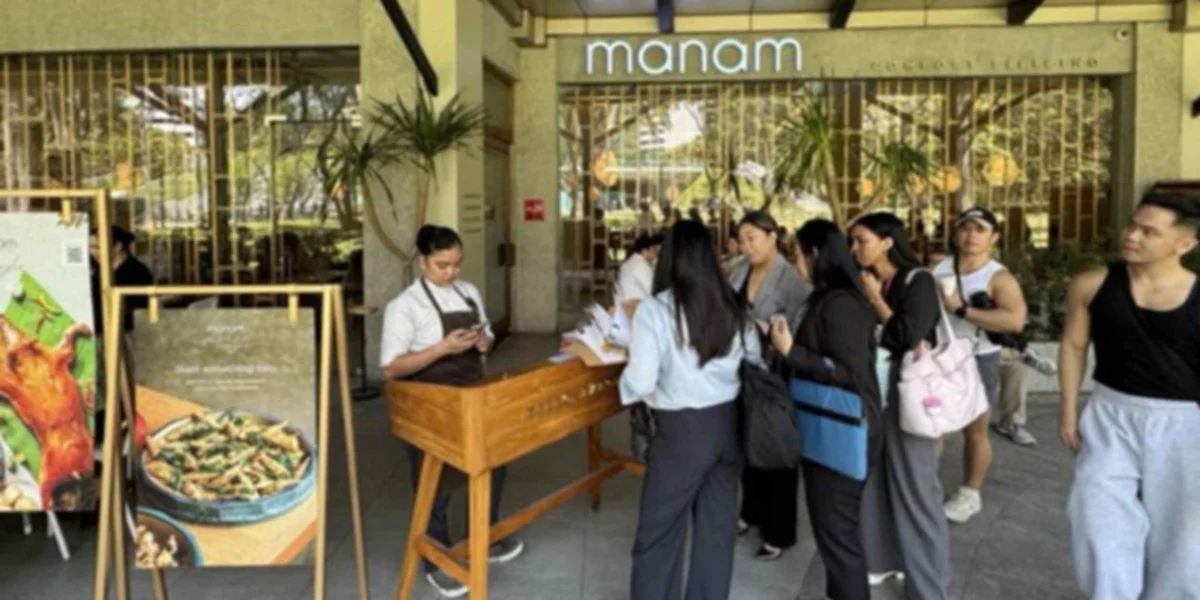
Restaurants recognized with Bib Gourmand distinctions in the Philippines’ inaugural Michelin Guide are experiencing a surge in patronage, with both international visitors and local diners actively seeking out these celebrated establishments. This heightened interest is playing a crucial role in elevating the Philippines’ culinary profile, a sector that has historically lagged behind more globally recognized Southeast Asian cuisines such as those of Thailand and Vietnam. The recent unveiling of the guide has ignited a fervor for authentic Filipino flavors, positioning the nation’s food scene for significant growth and international recognition.
The Dawn of Michelin Recognition in the Philippines
The release of the first-ever Michelin Guide Philippines in March 2026 marked a pivotal moment for the nation’s vibrant and diverse culinary landscape. For years, Filipino cuisine, rich in history and regional variations, had remained largely an undiscovered gem on the global gastronomic map. While beloved by locals and diaspora communities worldwide, it lacked the widespread international acclaim enjoyed by its neighbors. The Michelin Guide, with its esteemed reputation for identifying culinary excellence, provided the perfect platform to shine a spotlight on deserving establishments, from humble eateries to sophisticated dining rooms.
The Bib Gourmand designation, in particular, has become a beacon for diners seeking exceptional quality at accessible price points. This recognition signifies restaurants that offer a memorable dining experience without the premium associated with Michelin-starred establishments. In the Philippines, this has translated into a significant influx of both tourists eager to explore the country’s authentic flavors and locals who appreciate the validation of their favorite affordable dining spots. This dual appeal is creating a dynamic environment where culinary heritage is being celebrated and preserved, while also fostering innovation and driving economic activity within the food and beverage sector.
A Surge in Demand: The Bib Gourmand Effect
The impact of the Bib Gourmand recognition has been palpable across the featured restaurants. Establishments like Manam, a popular Filipino restaurant chain known for its modernized takes on traditional dishes, have seen their flagship locations, such as the one in Ayala Triangle Gardens, bustling with activity. This surge in demand is not merely a temporary trend but reflects a deeper shift in consumer behavior and a growing appreciation for quality, value-driven dining.
Data from industry observers suggests that restaurants receiving Bib Gourmand status have reported an average increase of 30-40% in foot traffic in the weeks following the guide’s release. This phenomenon is particularly pronounced among foreign diners, who often rely on trusted guides like Michelin to navigate unfamiliar culinary territories. The Philippines, with its rich tapestry of flavors influenced by centuries of trade and colonization, offers a complex and rewarding gastronomic journey. The Bib Gourmand selections provide a curated entry point, assuring visitors of a high-quality and authentic experience.
Local diners, too, have embraced the guide with enthusiasm. For many, the Bib Gourmand recognition serves as a badge of honor for their favorite neighborhood eateries, validating their long-held appreciation for these culinary havens. The affordability aspect of Bib Gourmand is also a significant draw in a market where value for money is a key consideration for a large segment of the population. This has led to a broader appeal, ensuring that the benefits of the guide’s recognition are widely distributed across various socio-economic groups.
Fostering Culinary Diplomacy and Economic Growth
The rise of Filipino cuisine on the international stage, amplified by the Michelin Guide, has significant implications beyond the restaurant industry. It acts as a form of culinary diplomacy, showcasing the Philippines’ unique cultural identity and inviting the world to experience its warmth and hospitality through its food. This can translate into increased tourism, a sector that is vital to the Philippine economy.
The Philippine Department of Tourism has expressed optimism about the guide’s potential to boost visitor numbers. "The Michelin Guide’s recognition of our local culinary talent is a momentous occasion," stated a spokesperson for the department. "It not only highlights the exceptional quality of food available in the Philippines but also positions us as a must-visit destination for food lovers worldwide. We anticipate this will significantly contribute to our tourism goals and the overall economic prosperity of the nation."
Furthermore, the increased visibility of Bib Gourmand establishments can spur investment in the local food sector. Chefs and restaurateurs are likely to be inspired to elevate their offerings, and potential investors may see the Philippines as a burgeoning market with strong potential for growth. This creates a positive feedback loop, where recognition leads to investment, which in turn leads to further innovation and quality improvement.
A Chronology of Culinary Advancement
The journey to this point has been a gradual but determined one. For decades, Filipino chefs and food advocates have been working tirelessly to promote the country’s diverse culinary heritage. The establishment of culinary schools, the emergence of innovative chefs, and the growing popularity of food festivals have all contributed to laying the groundwork for this international recognition.
Early 2000s: A growing movement within the Philippines began to advocate for greater recognition of Filipino cuisine on a global scale. This involved efforts to document regional recipes, promote indigenous ingredients, and encourage culinary education.
Mid-2010s: Several Filipino restaurants in major international cities began to gain traction, hinting at the potential for broader appeal. However, a comprehensive and authoritative guide was still missing.
Late 2010s – Early 2020s: Discussions and lobbying efforts intensified for the Philippines to be included in the prestigious Michelin Guide. This involved extensive research, venue scouting, and a meticulous evaluation process by Michelin inspectors.
March 2026: The inaugural Michelin Guide Philippines was officially launched, featuring a selection of restaurants across various categories, including Bib Gourmand and starred establishments. This event was met with widespread excitement and anticipation within the country and the international culinary community.
Post-Launch (March 2026 onwards): Restaurants receiving Bib Gourmand recognition, such as Manam, reported immediate and sustained increases in customer traffic. Foreign diners, in particular, were observed to be actively seeking out these establishments, often referencing the guide in their dining choices. Local media coverage and social media buzz further amplified the impact, creating a nationwide culinary conversation.
Beyond the Plate: Preserving and Evolving Tradition
The Michelin Guide’s recognition extends beyond mere culinary acclaim; it serves as a powerful tool for cultural preservation and evolution. By highlighting traditional dishes and their modern interpretations, the guide encourages the continuation of culinary legacies. Chefs are motivated to maintain the authenticity of their recipes while also innovating to meet contemporary tastes.
For instance, restaurants like Manam are celebrated for their ability to present Filipino comfort food classics in a refined yet accessible manner. Dishes such as "Sinigang" (sour soup) or "Kare-Kare" (oxtail stew), when prepared with high-quality ingredients and presented with flair, can captivate diners from diverse backgrounds. The Bib Gourmand status for such establishments underscores the idea that authentic, well-executed traditional cuisine can compete on a global level.
The guide also prompts a deeper exploration of regional cuisines. While Metro Manila often takes center stage, the Michelin inspectors have been known to venture into other parts of the Philippines, uncovering hidden gems that represent the diverse culinary landscapes of Luzon, Visayas, and Mindanao. This broader scope ensures that the recognition is not concentrated in one area but reflects the richness of the entire archipelago.
Challenges and Opportunities Ahead
While the current enthusiasm is a cause for celebration, the Philippines’ culinary scene faces ongoing challenges. The industry needs to ensure sustainable growth, address potential issues of rising costs for ingredients and labor, and maintain the quality of service as demand escalates. Furthermore, continuous training and development for culinary professionals will be crucial to sustain the momentum.
However, the opportunities presented by this newfound international attention are immense. The Philippines has the potential to become a leading culinary destination in Southeast Asia, attracting not only tourists but also international chefs and culinary professionals eager to explore its unique offerings. The government and private sector must collaborate to capitalize on this momentum by investing in infrastructure, promoting culinary education, and supporting local producers.
The Bib Gourmand selections, in particular, represent a vital segment of the market that offers authentic Filipino experiences at accessible prices. By championing these establishments, the Michelin Guide is democratizing fine dining and ensuring that the benefits of culinary tourism are spread more widely. As foreign diners continue to discover the delights of Filipino cuisine and local patrons celebrate their culinary heritage, the future of food in the Philippines looks exceptionally bright, poised to take its rightful place on the global gastronomic stage. The humble yet flavorful dishes, now validated by an international standard, are set to tell the story of a nation, one delicious bite at a time.
