

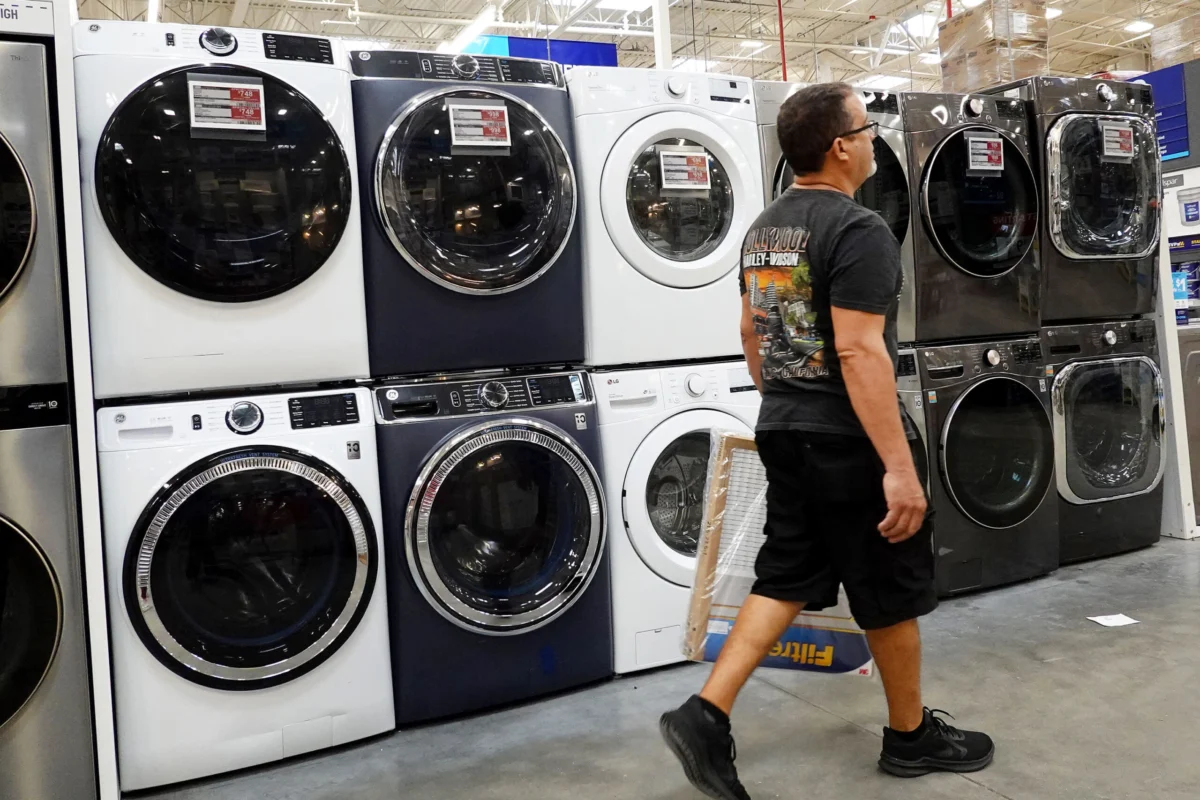
As the 2026 holiday shopping season approaches, major retailers are navigating an intricate web of escalating logistics expenses, record-high diesel prices, and a tightening labor market, all of which are compelling a fundamental reassessment of traditional inventory strategies. Consumers planning to purchase big-ticket items such as large-screen televisions, outdoor grills, and major home appliances like washers and dryers may encounter unprecedented scarcity, a direct consequence of these multifaceted economic pressures. Industry experts warn that the confluence of these factors is setting the stage for a holiday season unlike any seen in recent history, characterized by leaner inventories and a heightened focus on agile supply chain management.
The Unprecedented Squeeze on Retail Inventories
The impending scarcity of substantial consumer goods stems from a perfect storm of economic headwinds impacting every stage of the supply chain. Deborah Weinswig, CEO of retail analytics firm Coresight Research, starkly articulated the situation, predicting, "We are going to have some of the lowest inventory levels on some of these big-ticket items we have seen in history." Retailers, under immense pressure to optimize capital and mitigate risk, are intentionally reducing their stock of items that demand significant storage space or represent substantial carrying costs. This strategic shift reflects a broader industry response to a challenging economic climate, moving away from a "just-in-case" inventory model towards a more conservative "just-in-time" approach, albeit one fraught with potential for missed sales.
The financial burden on retailers is threefold, impacting international freight, domestic trucking, and inventory holding. Weinswig highlighted these interconnected challenges: "It’s freight getting it from there to here; it’s carrying costs; then it’s just the trucking to get it into the stores. We’re talking three different pieces right here and each is up significantly year on year." Each component has seen substantial cost inflation, forcing retailers to make difficult decisions regarding product assortment and availability.
Deep Dive into Escalating Costs
The surge in supply chain costs is not merely a transient market fluctuation but rather a reflection of deeper structural issues and policy impacts. Data from Evercore ISI illustrates the magnitude of these increases, reporting that general trucking rates surged by more than 47% year-over-year during the week of November 2nd. This dramatic increase is largely attributed to a persistent capacity crunch within the domestic trucking industry. Industry experts point to federal government crackdowns on non-citizen and non-U.S.-based truck drivers operating within the United States as a significant contributing factor. Stricter enforcement of regulations, coupled with an aging workforce and challenges in recruiting new drivers, has exacerbated an already strained labor market. The American Trucking Associations (ATA) has consistently highlighted the national truck driver shortage, which has been an ongoing issue for years, further intensified by pandemic-era retirements and increased demand for goods. This regulatory tightening has reduced the available pool of drivers, driving up wages and, consequently, trucking rates.
Simultaneously, fuel surcharges have skyrocketed, adding another layer of expense. Most transportation providers implement fuel surcharges to offset the volatile cost of diesel. According to Evercore ISI data, these surcharges have spiked an alarming 64% year-over-year. This increase is directly linked to diesel prices hitting new record highs, influenced in part by global geopolitical tensions, including the U.S.-Israel war with Iran, which has introduced significant uncertainty and risk premiums into the global oil markets. Beyond direct conflict, broader OPEC+ production policies and fluctuating global demand also play a role in determining crude oil prices, which directly impact refined product costs like diesel. For retailers, these fuel surcharges are unavoidable and significantly inflate the cost of moving goods from distribution centers to retail floors.
Adding to the complexity are inventory holding costs, which encompass the total expense of storing unsold goods. This includes not only physical storage expenses but also the costs of capital tied up in inventory, insurance, obsolescence risk, and other administrative overheads. These costs are intrinsically linked to broader financial market conditions, particularly the yield on the 10-year Treasury note. In October, the 10-year Treasury yield exceeded 5%, remaining at multi-year highs throughout November. The 10-year Treasury serves as a benchmark for a wide range of borrowing costs, including those for corporate debt. As the Federal Reserve has aggressively raised interest rates to combat persistent inflation, the cost of borrowing for businesses has surged. This means that every dollar of inventory a retailer holds carries a higher capital cost, making it less attractive to stockpile goods, especially large, expensive items with slower turnover rates.
Retailer Strategies: A Delicate Balancing Act
The collective weight of these elevated costs is prompting a critical reevaluation of holiday inventory strategy. Retailers are grappling with a fundamental conundrum: is it more advantageous to stock up now, locking in current (high) shipping rates, or to adopt a "wait-and-see" approach, hoping that transportation costs might decline, but risking potential stockouts and missed sales opportunities? This dilemma is leading to cautious procurement practices, particularly after the early holiday sales indicators in October.
Executives from major logistics and retail players confirm this cautious sentiment. Carol Tomé, CEO of UPS, noted on the company’s earnings call on October 27th that they were "just starting to get peak season forecasts from our customers," indicating a delay in firm commitments from retailers. Similarly, Derek Leathers, CEO of Werner Enterprises, a prominent trucking partner for big-box stores, observed that retailers are operating with heightened prudence. "When rates are higher and the cost of capital is more expensive, you are going to have a much more intense focus on not having excess inventory," Leathers explained. This focus is a direct response to the financial pressures, as carrying excess stock now represents a far greater financial liability than in previous years.
Despite these cost pressures, holiday sales forecasts for 2026 remain robust. Adobe Analytics projected a record-breaking season, with Bain & Company’s annual forecast estimating that holiday sales would top $1 trillion. However, it’s crucial to note that a significant portion of this growth is attributed to inflation, meaning that while nominal sales figures may be higher, the actual volume of goods sold (unit growth) might be more modest. Consumers, buoyed by relatively strong employment figures and pent-up demand, are still expected to spend, albeit potentially more judiciously.
Paradoxically, even with surging trucking and shipping rates, some retailers are demonstrating a willingness to pay a premium to ensure product availability. Leathers elaborated on this, stating, "The bigger concern right now is wanting to make sure they have their capacity locked in. There is way more dialogue around the assurance of having a truck or whatever mode that needs to be secured. Not saying they are price insensitive, because they are certainly always concerned about price. But you can’t sell it if it’s not on the shelf." This highlights the critical balance retailers must strike: managing costs while simultaneously ensuring that popular items are available to meet consumer demand, especially during the peak holiday shopping period. The risk of lost sales due to stockouts often outweighs the cost of higher shipping rates for high-demand items.
The Potential for Post-Holiday Discounts
For consumers, these complex dynamics could translate into a bifurcated shopping experience. Early shoppers seeking specific big-ticket items might face higher prices and limited availability. However, those willing to exercise patience could be rewarded. Bill Catania, CEO of logistics technology company OneRail, which facilitates same-day delivery for companies like FedEx and Lowe’s, suggests that the high carrying costs and inventory reduction strategies might lead to significant discounts later in the season. "You’re going to see more discount and price promotions as we get closer to the holiday to liquidate inventory, so they’re not having to transfer it or dispose of it or position it some other way," Catania predicted. Retailers, keen to avoid holding costly unsold inventory into the new fiscal year, may resort to aggressive markdowns to clear stock, offering a silver lining for bargain-hunting consumers.
Innovating the Last Mile: Gig Economy and Drones
Amidst the challenges of traditional logistics, retailers and delivery companies are increasingly turning to innovative solutions for "last-mile" delivery – the final leg of a package’s journey to the customer’s doorstep. ShipMatrix, a data analytics firm specializing in logistics, forecasts that 2.4 billion packages will be delivered during the 2026 holiday peak season, representing a 4% increase year-over-year. This surge necessitates flexible and scalable delivery options.
The gig economy has emerged as a crucial component of this strategy, particularly for accommodating last-minute shopping rushes and unpredictable order flows. Gig workers provide retailers and delivery companies with the agility to scale up or down quickly without the significant overhead associated with hiring and onboarding permanent staff. While Catania acknowledges the speed and efficiency, stating "Gig economy delivery is great. You know, it fulfills fast," he also points to "better unit economics out there," suggesting that while effective for flexibility, it may not always be the most cost-efficient long-term solution compared to optimized traditional networks.
Beyond human-powered gig delivery, the future of last-mile logistics is increasingly looking skyward. Industry experts widely anticipate a significant uptick in the use of drones for delivering smaller items. A 2024 study by PwC projected a dramatic reduction in drone delivery costs, forecasting a drop of "more than 70% over the next 10 years." This cost reduction is expected to make drone delivery not only competitive with but potentially superior to traditional last-mile methods, creating a pivotal inflection point for the industry.
Companies are already making substantial strides in this area. Amit Regev, CEO of drone company Flytrex, confirmed active discussions with retailers regarding drone deployment for holiday deliveries. Regev emphasized the evolving consumer expectation for immediacy: "The expectation now is becoming so much more instant." Major retailers are already investing heavily in drone technology. Lowe’s, for instance, announced in September the launch of a drone delivery service in partnership with DoorDash and Alphabet’s Wing. Amazon, a pioneer in this space, declared its ambition earlier this year to offer drone deliveries in nearly 500 U.S. cities and towns by the end of 2026, showcasing the rapid expansion of this technology. Flytrex currently provides drone delivery services for Walmart and several restaurant chains, including Little Caesars and Papa John’s, demonstrating practical applications across various sectors. "Customers are looking for that instant gratification," Regev asserted. "So if it takes too long, they might not want to order with you. And from what we are seeing that’s a stronger incentive for them to try and test or deploy deliveries using drones." The drive for instant gratification is a powerful motivator for retailers to embrace cutting-edge delivery methods, transforming the landscape of e-commerce.
Broader Implications and Future Outlook
The inventory challenges and logistical innovations observed in the 2026 holiday season carry significant broader implications for the economy and consumer behavior. The sustained high costs across the supply chain contribute directly to inflationary pressures, as retailers are forced to pass some of these expenses onto consumers, even while striving to offer competitive pricing. For retailers, the pressure on profit margins is immense, demanding unprecedented efficiency and strategic agility. Those who can successfully navigate the complexities of inventory management and leverage innovative last-mile solutions will likely gain a competitive edge.
For consumers, the holiday season will be a test of flexibility and timing. Early planners may secure desired items but at potentially higher costs, while patient shoppers could benefit from end-of-season discounts. The increasing reliance on gig economy and drone delivery also signals a fundamental shift in how goods reach consumers, promising faster, more convenient, and potentially more environmentally friendly options for specific types of purchases. As technology continues to advance and regulatory frameworks evolve, these nascent delivery methods are poised to become standard, permanently altering the retail landscape and consumer expectations for speed and convenience. The 2026 holiday season, therefore, is not just a period of commerce but a critical juncture illustrating the ongoing transformation of global supply chains and the future of retail.
