

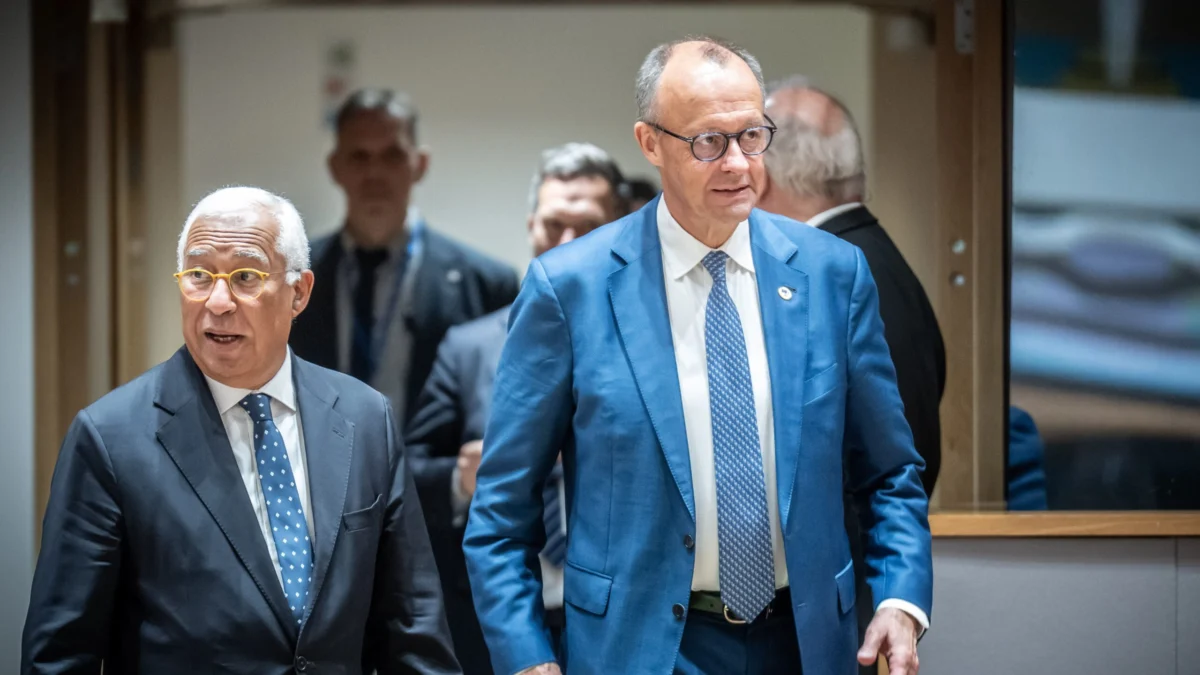
Brussels. European Council President António Costa has put forward a significant proposal to finance the next multi-year EU budget, suggesting a new digital tax targeting large corporations. This ambitious plan, aimed at generating revenue from online advertising, platform services, and user data, introduces a three percent levy on the revenues of these digital giants. The proposal, submitted on Saturday in Brussels, outlines Costa’s compromise for the financial framework spanning from 2028 to 2034. In total, Costa’s plan anticipates approximately €204 billion less in funding over the seven-year period compared to the European Commission’s initial proposal for the Multiannual Financial Framework (MFF).
The Proposed Digital Tax: Scope and Objectives
The cornerstone of Costa’s proposal is a digital tax designed to impact corporations with over €60 million in digital revenue within the EU and more than €750 million in annual revenue globally. This measure aims to generate substantial new income streams for the European Union, thereby alleviating the pressure on national contributions to the budget. Costa estimates that these new own resources for the EU could bring in around €60 billion annually.
Crucially, this digital tax is intended to replace a proposed corporate levy by the EU Commission that would have applied to European companies, including significant German businesses. The German government had previously deemed this original proposal unacceptable. Costa’s alternative seeks to address the revenue needs while sidestepping the specific concerns raised by Germany regarding the initial commission’s plan.

Divergent Views Emerge: Merz’s Opposition
The proposed budget adjustments and the new digital tax have already sparked debate, with prominent political figures expressing reservations. Friedrich Merz, the leader of the opposition in Germany and a key figure in European conservative politics, has indicated that Costa’s proposals do not go far enough. His stance suggests a divergence of opinion on the scale of necessary savings and the preferred methods of revenue generation within the EU.
Merz’s criticism likely centers on the overall budget size and the specific financial priorities outlined by Costa. While Costa’s plan seeks significant savings, the fact that it relies on new revenue streams rather than solely on spending cuts might be a point of contention for those advocating for fiscal austerity. The proposed reduction of €204 billion represents a considerable sum, but the precise allocation of these savings and the impact on various EU policy areas, such as defense and cohesion funding, are subjects of ongoing scrutiny.
Background: The EU Budgetary Process and Shifting Priorities
The European Union operates on a seven-year cycle for its MFF, which sets the maximum annual spending for various policy areas. The negotiation and agreement of the MFF are typically complex and involve intense discussions among member states, the European Parliament, and the European Commission. Each member state has its own national interests and fiscal priorities, leading to a delicate balancing act.
The current budgetary discussions are taking place against a backdrop of evolving geopolitical challenges and economic pressures. Increased spending on defense, particularly in light of the ongoing conflict in Ukraine, has become a pressing issue. Simultaneously, member states are grappling with economic recovery efforts, the transition to a green economy, and the need to maintain social cohesion. These competing demands place significant strain on the EU budget, making the negotiation of new financial frameworks particularly challenging.

Key Policy Areas Under Scrutiny
Costa’s proposal, by aiming to reduce overall spending, implicitly suggests potential reallocations or reductions in funding for various EU programs. The mention of "less money for defense and cohesion" in the lead text points to areas that are likely to be sensitive.
- Defense Spending: While there is a growing consensus on the need to bolster European defense capabilities, this often translates into increased national spending or specific EU-level initiatives. A proposal to reduce overall budget flexibility could, paradoxically, constrain the very defense initiatives that some member states are prioritizing. The debate may revolve around whether savings should come from existing defense budgets or from other areas to free up funds for new security priorities.
- Cohesion Policy: Cohesion funds are designed to reduce economic and social disparities between EU regions. These funds are vital for the development of less prosperous member states and regions. Any proposed reduction in this area could face strong opposition from countries that heavily rely on these funds for infrastructure development, job creation, and economic modernization.
- Digital Taxation: The introduction of a digital tax, while a potential revenue generator, also raises questions about its impact on innovation, competitiveness, and the global digital economy. The EU’s approach to taxing digital services has been a long-standing issue, with differing views on how to ensure fair taxation of multinational tech giants.
Data and Projections: Understanding the Scale of Savings
The figure of €204 billion represents a substantial reduction from the European Commission’s initial MFF proposal. To contextualize this, the EU’s total annual budget typically amounts to over €170 billion, with the MFF representing a commitment of over €1 trillion over seven years. A reduction of €204 billion over seven years translates to an average annual saving of roughly €29 billion.

The proposed digital tax, projected to generate €60 billion annually, could therefore not only cover the proposed savings but also potentially provide additional resources. This suggests a strategic move by Costa to create fiscal space while introducing a new, significant revenue stream. However, the actual revenue generated by such a tax can be subject to various factors, including corporate compliance, the specific design of the tax, and potential legal challenges.
Timeline and Process: Navigating the Negotiations
The presentation of Costa’s compromise proposal marks a crucial stage in the MFF negotiations. Typically, the process involves:

- Commission Proposal: The European Commission presents its initial draft for the MFF.
- Council Negotiations: Member states, through the Council of the EU, negotiate the details, often with differing priorities. The Presidency of the Council plays a key role in brokering compromises.
- European Parliament Involvement: The European Parliament must approve the final MFF agreement.
- Final Agreement: Once agreed upon by all institutions, the MFF is formally adopted.
Costa, as President of the European Council, is tasked with facilitating these negotiations. His proposal is intended to serve as a basis for further discussion and consensus-building among the 27 member states. The timeline for reaching an agreement is often tight, as the MFF needs to be in place before the current one expires. The current MFF runs until the end of 2027, meaning that a new framework for 2028-2034 needs to be finalized well in advance.
Potential Implications and Broader Impact
The outcome of these budget negotiations will have far-reaching implications for the EU’s policy agenda and its global standing.

- Fiscal Discipline vs. Strategic Investment: The debate highlights a fundamental tension between the desire for fiscal discipline and the need for strategic investments in areas like defense, climate action, and digital transformation. Costa’s proposal appears to seek a balance, but the specific cuts and new revenues will determine whether this balance is perceived as appropriate by all member states.
- Digital Economy Taxation: The success of the proposed digital tax could set a precedent for how the EU and other international bodies approach the taxation of the digital economy. It could also influence how multinational tech companies structure their operations and revenue reporting within the EU.
- Inter-State Relations: The differing positions of key member states, such as Germany’s reservations, underscore the ongoing challenges in achieving unanimous agreement on fiscal matters. The ability to bridge these divides will be critical for the EU’s capacity to act collectively on major policy issues.
- Impact on Citizens and Businesses: The allocation of funds within the MFF directly impacts various EU programs that benefit citizens and businesses, from research and innovation grants to agricultural subsidies and environmental initiatives. Any reduction in funding for cohesion policies, for example, could slow down development in certain regions.
Conclusion: A Contentious Path Ahead
António Costa’s proposal for the next EU budget, centered on a new digital tax and significant overall savings, represents a bold attempt to navigate the complex fiscal landscape of the European Union. While aiming to address concerns about national contributions and introduce new revenue streams, the plan has already encountered resistance, notably from German opposition leader Friedrich Merz. The coming months will likely see intense negotiations as member states grapple with Costa’s vision, balancing competing priorities, and striving to forge a consensus that can support the EU’s strategic objectives for the next financial period. The debate over the €204 billion in proposed savings and the introduction of a digital tax is set to be a defining chapter in the ongoing evolution of the European Union’s financial architecture.
