

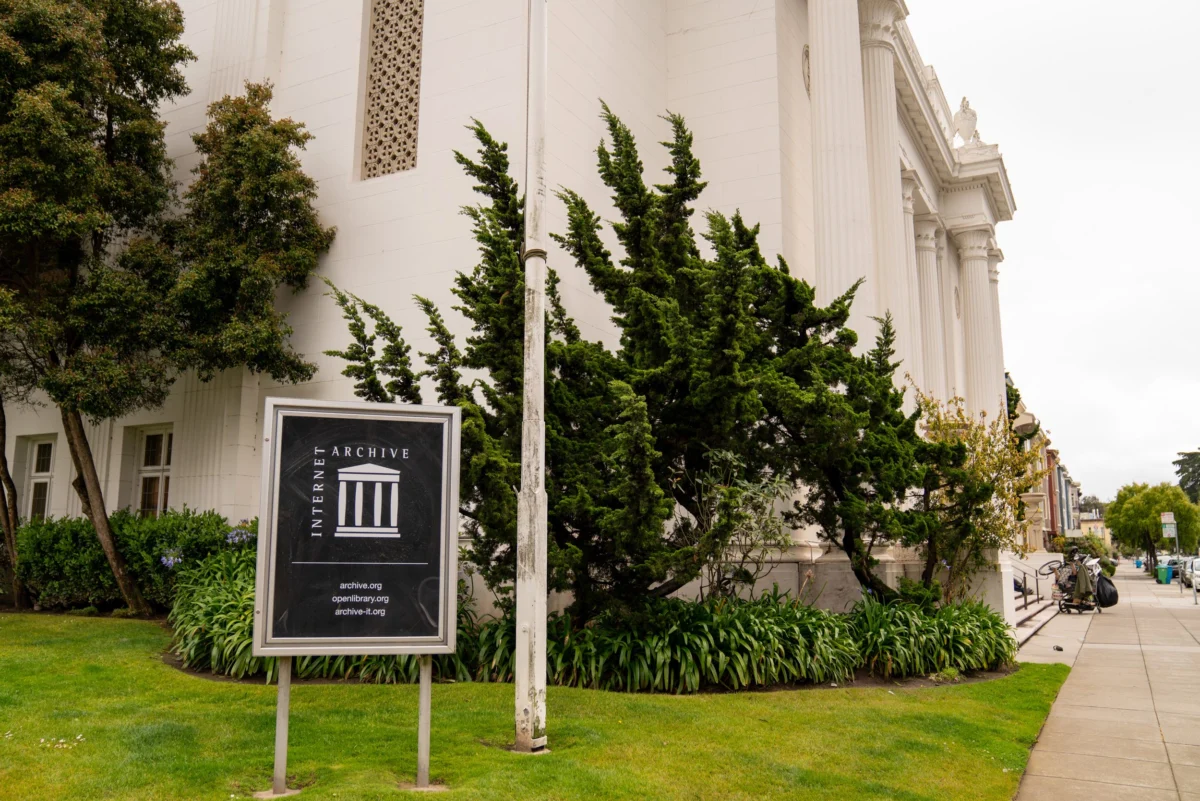
Staffers at the Internet Archive, the venerable nonprofit organization renowned for its Wayback Machine and its ambitious mission of "Universal Access to All Knowledge," have overwhelmingly voted to unionize. The significant outcome, with more than 80 out of 124 eligible U.S. employees casting votes in favor of joining the Communications Workers of America (CWA), marks a pivotal moment for the digital library and signals a growing trend of labor organization within the non-profit technology sector. The employees are now awaiting voluntary recognition of their union from Internet Archive founder Brewster Kahle. Should Kahle decline to recognize the union voluntarily, the employees will proceed to a formal certification vote conducted by the National Labor Relations Board (NLRB).
A Mandate for Collective Voice
The vote represents a clear mandate from the Internet Archive’s workforce to establish a collective bargaining unit. This move aims to secure enhanced wages, improved benefits, and greater job security, all while ensuring that the organization’s core mission remains at the forefront. Will Howes, an Internet Archive engineer and active participant in the organizing effort, articulated the staff’s perspective, stating that the unionization process has underscored the deep alignment among employees regarding the founder’s original vision. "Frankly, we really see the formation of this union as accepting [Kahle’s] challenge to make this workplace the best place it can be in pursuit of a mission, universal access to all knowledge," Howes told WIRED.
Danielle Leard, a microfiche digitization technician at the Archive, echoed this sentiment, expressing strong optimism that Kahle will embrace voluntary recognition. "We believe the first and most primary goal of our union is to make sure that the Internet Archive reflects the wants and values of the people that work there, and the people that make the archive," Leard stated. The union’s immediate priorities include negotiating for tangible improvements in compensation and benefits, with a particular emphasis on ensuring equitable and consistent access to these provisions across the entire staff.
A Foundation Built on Preservation
Founded in 1996 by Brewster Kahle, the Internet Archive has evolved into an indispensable global resource. Its sprawling digital library houses an estimated over 1 trillion web pages, along with millions of books, music, videos, and software titles. The organization’s physical headquarters, a former Christian Scientist church in San Francisco, serves as a hub for a diverse array of employees, including librarians, engineers, specialists in physical media, and facility coordinators responsible for maintaining the historic building. This broad spectrum of roles, from the highly technical to the essential operational, has presented unique challenges and rewards during the organizing process, which commenced in February 2025.
The Internet Archive’s commitment to preserving digital heritage has faced increasing scrutiny and challenges in recent years. The rise of artificial intelligence (AI) and its voracious appetite for data has created new complexities. A January report by Nieman Lab highlighted how some news publishers, concerned about AI companies scraping their content without permission, have begun blocking web crawlers from the Internet Archive. This measure, intended to prevent AI firms from using the Archive as a backdoor to their content, inadvertently impacts the Archive’s ability to fulfill its core mission of capturing and preserving the web in near real-time. This confluence of factors – the need to safeguard its invaluable digital collections and the imperative to support the dedicated individuals who make this work possible – has lent an added urgency to the unionization effort.
A Broader Movement in the Digital Landscape
The Internet Archive’s unionization vote occurs in the wake of similar labor actions within prominent non-profit digital organizations. Just over two months prior, staffers at the Wikimedia Foundation, the non-profit behind Wikipedia, also voted to join the CWA. Will Howes views these parallel efforts as mutually reinforcing, particularly given the foundational role both organizations play in the internet’s infrastructure. "These simultaneous efforts are very powerful given that both organizations represent ‘core infrastructure’ of the internet," he remarked.
The timing of the Internet Archive’s unionization drive also coincides with a period of significant upheaval in the broader technology industry. Waves of layoffs across major tech companies and widespread anxiety surrounding emerging technologies like AI have created a climate of uncertainty for many workers. The union’s leadership views this moment as particularly opportune for advocating for worker rights and stability. Leard emphasized the importance of the Archive as a potential model for other organizations. "We’re hoping," they said, "that we’ll continue to be one of the blueprints that will make it easier for other organizations and companies in the future to continue to unionize."
The Path Forward: Negotiating for the Future
The union’s objectives extend beyond immediate gains in compensation and benefits. A key focus is establishing clear pathways for professional development and career advancement within the Internet Archive. This includes creating opportunities for skill enhancement and internal promotion, ensuring that the dedicated staff can grow alongside the organization and its mission.
The initial organizing phase, which began in February 2025, involved extensive outreach and discussion among a diverse workforce. The unique skill sets and perspectives of librarians, engineers, technicians, and administrative staff all contributed to a rich and sometimes complex dialogue. However, according to Leard, the process was ultimately "a unique challenge" that proved "really rewarding." The successful vote demonstrates a unified commitment to shaping the future of the Internet Archive, not just as a custodian of digital history, but as a workplace that values and invests in its human capital.
As the Internet Archive awaits Brewster Kahle’s response, the broader implications of this unionization effort resonate across the digital landscape. It highlights a growing recognition among employees in mission-driven tech organizations that collective action is a powerful tool for ensuring both the sustainability of their vital work and the well-being of the people who dedicate themselves to it. The outcome of this process will undoubtedly be closely watched by other institutions striving to balance ambitious goals with the fundamental rights and aspirations of their employees.
Update: 11/20/26 1:43 pm ET: This story has been updated to reflect that Internet Archive workers have voted in favor of unionizing, but the union has not yet been recognized by Internet Archive founder Brewster Kahle.
