

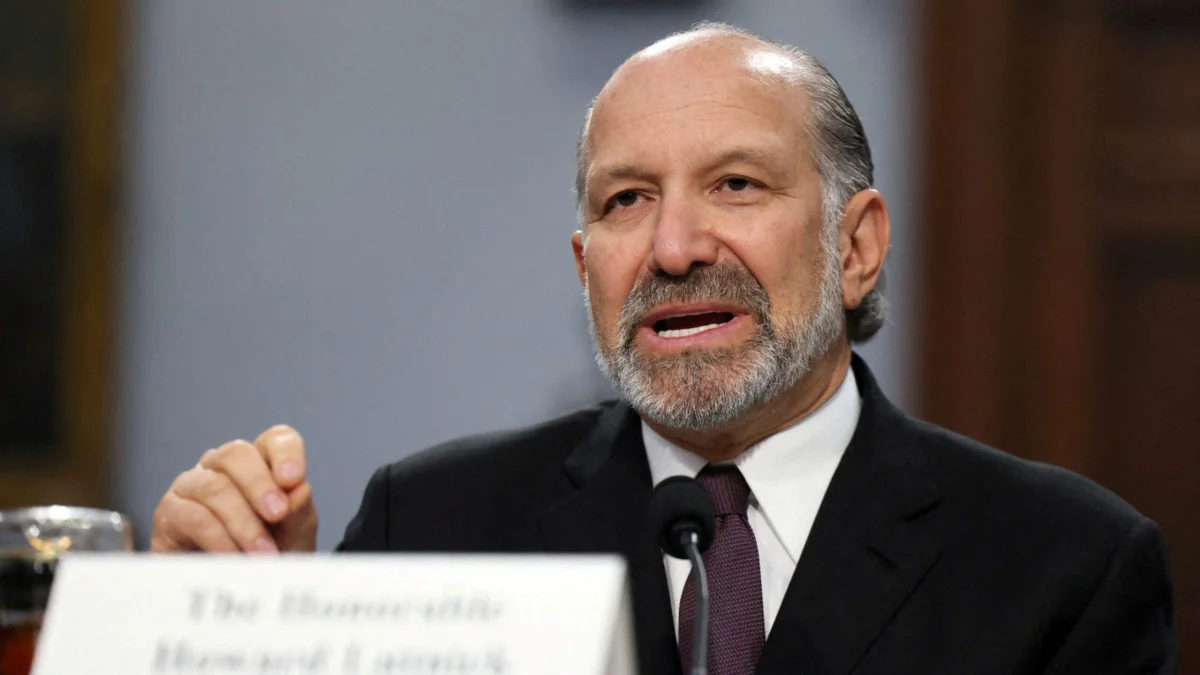
The U.S. Senate Committee on Banking, Housing, and Urban Affairs has summoned former Nvidia executive Jensen Huang and Commerce Secretary Howard Lutnick to testify in connection with an ongoing espionage scandal involving the American chip giant. Committee Chairman Tim Scott has issued a stern warning, threatening a subpoena if Huang does not voluntarily appear. The developments signal a deepening of the investigation into allegations that could have significant implications for national security and the protection of sensitive U.S. technology.
Escalating Congressional Scrutiny
The summons from the Senate Banking Committee marks a significant escalation in the congressional oversight of the Nvidia espionage case. Chairman Tim Scott, in a statement posted on the social media platform X, expressed grave concerns stemming from recent reports. "Recent reports raise serious concerns regarding our national security and the protection of sensitive U.S. technology," Scott wrote on Thursday, local time. His remarks underscore the bipartisan apprehension within Congress regarding the potential ramifications of the alleged espionage.
Adding to the pressure, the chairmen of three House committees have also formally requested that Jensen Huang and Nvidia’s Chief Legal Officer, Tim Teter, appear for non-public hearings scheduled for December 1st and 2nd. These committees, likely those overseeing national security, intelligence, and potentially technology policy, have also indicated that failure to comply voluntarily could result in the issuance of subpoenas. This coordinated action across both chambers of Congress highlights the seriousness with which lawmakers are treating the allegations.
Former President Trump’s Involvement
The espionage allegations have even drawn the personal attention of former President Donald Trump, adding another layer of political intrigue to the unfolding situation. According to a report by The New York Times, Trump reportedly spoke with Jensen Huang on Tuesday, shortly before his resignation from office. During this call, the former president is said to have urged Huang to fight for his position.
Trump later elaborated on his stance in a podcast interview, published on Thursday, local time. He linked his position directly to the ongoing investigation, stating, "The big question is, was the woman a spy? And I don’t know if that has been cleared up yet. But if the woman was a spy, yes. If the woman was not a spy, it might look different." This statement suggests that Trump’s perspective on the matter is contingent on the outcome of the espionage investigation, particularly concerning the alleged role of a female individual.
Background and Timeline of the Scandal
While the specific details of the espionage allegations remain largely under wraps due to the sensitive nature of the investigation, the involvement of a major technology company like Nvidia, a leading designer of graphics processing units (GPUs) crucial for artificial intelligence and advanced computing, immediately raises national security concerns. Nvidia’s technology is at the forefront of innovation, and any compromise of its intellectual property or sensitive data could have far-reaching consequences for U.S. technological dominance.
The timeline of events leading to the congressional summons appears to be driven by recent media reports that have brought the alleged espionage to light. These reports, coupled with the inherent sensitivity of Nvidia’s work, have prompted swift action from lawmakers seeking to understand the scope of the threat and the company’s response. The fact that former President Trump felt compelled to intervene suggests that the allegations have reached a level of prominence that transcends typical corporate investigations.
Potential Implications for National Security and Technology
The ramifications of a successful espionage operation targeting Nvidia could be profound. The company’s GPUs are not only vital for the development of advanced AI systems, including those used in defense applications, but also for high-performance computing and critical infrastructure. Theft of proprietary designs, manufacturing processes, or customer data could empower adversaries, disrupt supply chains, and compromise U.S. technological superiority.
Furthermore, the investigation raises questions about the effectiveness of security protocols within leading technology firms and the potential for foreign influence or interference in U.S. innovation. The involvement of the Commerce Department, through Secretary Lutnick’s summons, suggests that the issue may extend beyond corporate security to broader trade and international relations implications. The U.S. government has been increasingly focused on protecting its technological edge from foreign competition and espionage, particularly from nations perceived as strategic rivals.
Nvidia’s Position and Public Statements
As of now, official statements from Nvidia regarding the specific espionage allegations and the congressional summons have been limited. However, in such situations, companies typically emphasize their commitment to cooperation with authorities and the protection of their intellectual property and data. It is likely that Nvidia’s legal and public relations teams are actively managing the situation, preparing for potential testimony, and reviewing internal security measures.
The company’s role as a critical supplier for the U.S. military and intelligence agencies, as well as its pivotal position in the global AI race, means that any compromise could have cascading effects. The U.S. government’s reliance on Nvidia’s advanced chips for various national security initiatives adds a significant layer of urgency to the investigation.
Analysis of the Situation
The congressional action signifies a proactive stance by U.S. lawmakers to address potential threats to national security stemming from corporate espionage. The summoning of both former and current executives, along with a high-ranking government official, indicates a belief that the issue is multifaceted and requires broad inquiry.
The involvement of former President Trump, while potentially politically charged, also highlights the perceived gravity of the allegations. His comments suggest a concern for the individuals involved and a desire to understand the full context before forming definitive judgments. However, the emphasis on whether a "woman was a spy" might also reflect a specific aspect of the allegations that has surfaced in recent reporting.
The coming weeks will be crucial as congressional committees gather information and assess the credibility and scope of the espionage claims. The outcome of these hearings could lead to significant policy changes, increased regulatory oversight for technology companies, and potentially diplomatic repercussions depending on the findings regarding foreign involvement. The case underscores the persistent challenges in safeguarding cutting-edge technology in an increasingly interconnected and competitive global landscape. The Senate and House committees will be looking to establish a clear picture of what happened, who was responsible, and what measures are necessary to prevent future incidents. The focus on Nvidia, a linchpin in the global technology sector, makes this investigation particularly consequential.
