

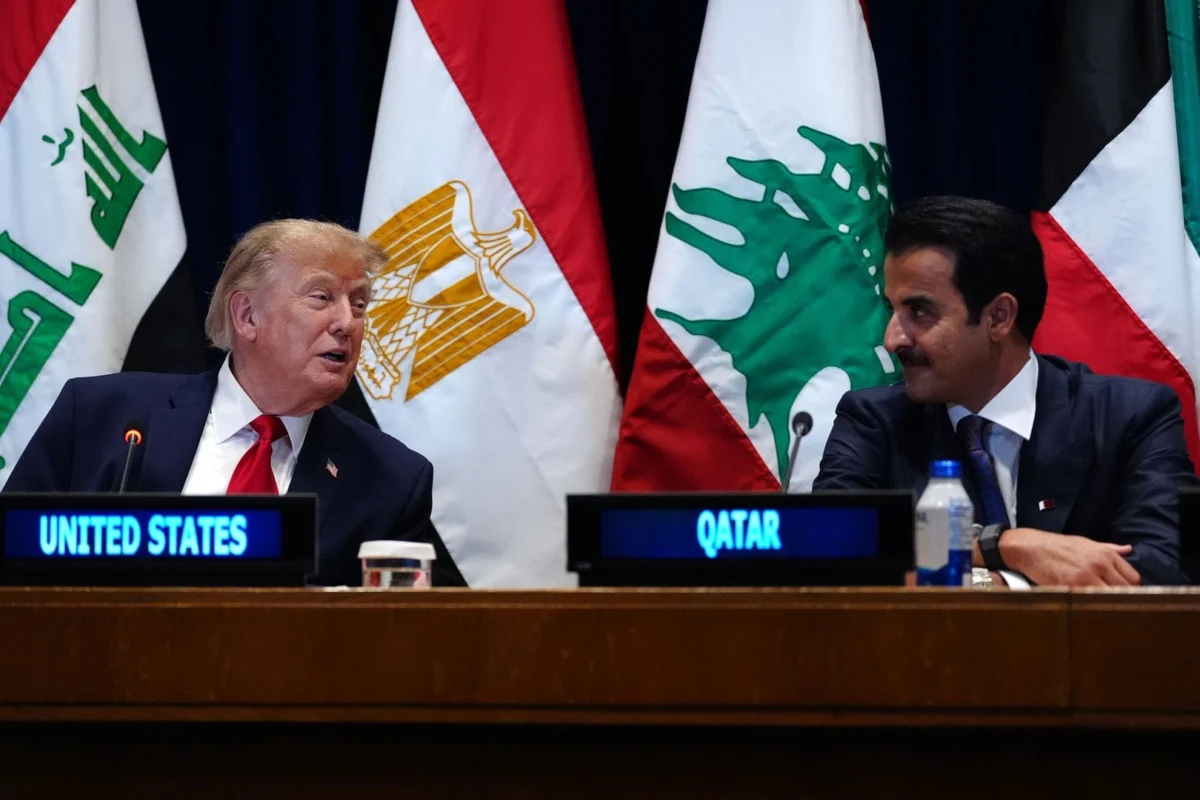
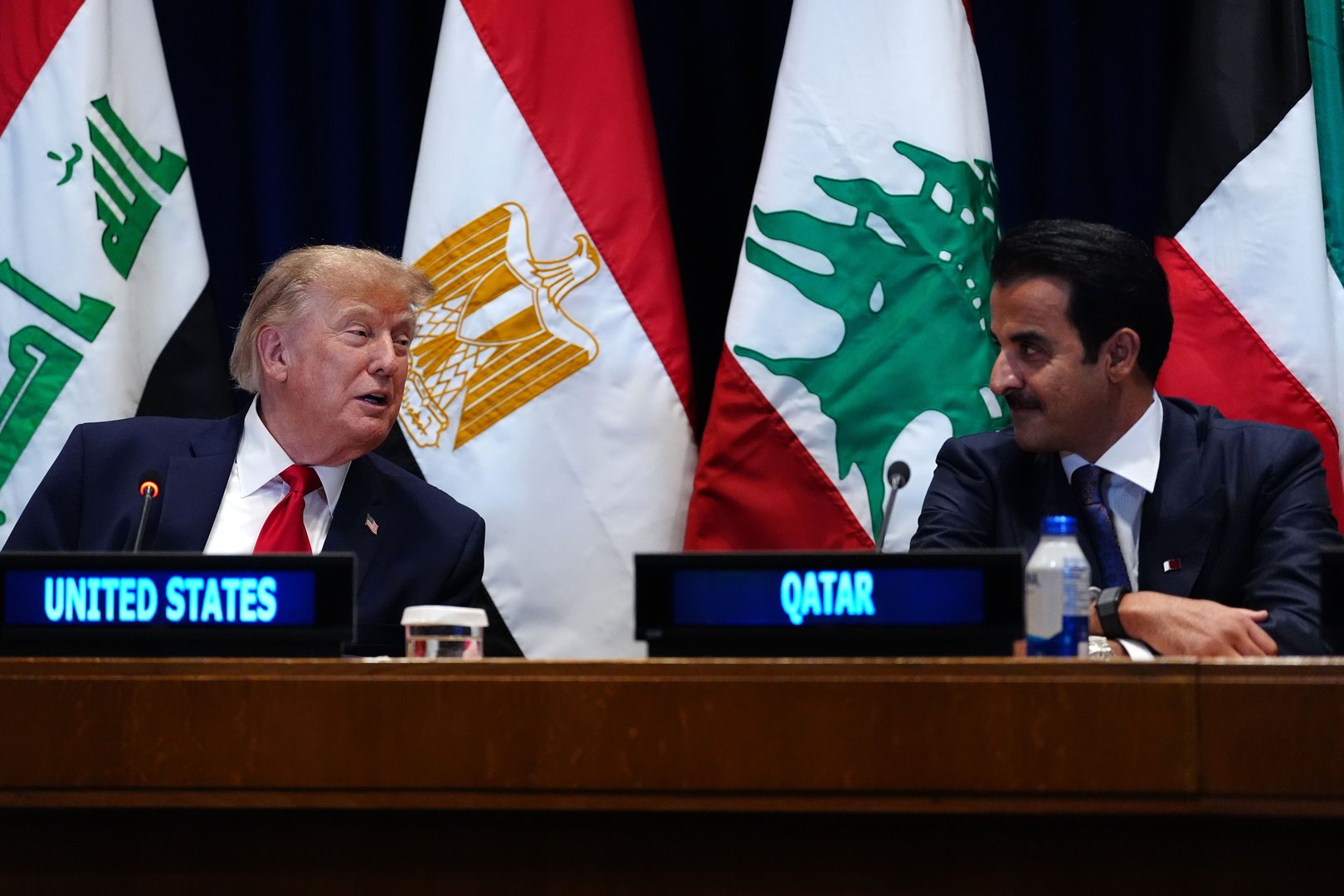
The White House is set to host Qatari Prime Minister Mohammed bin Abdulrahman Al Thani for discussions that are expected to center on Qatar’s ongoing mediation efforts in the complex conflict between the United States and Iran. This high-level meeting underscores the critical role Qatar has assumed as an intermediary, seeking to bridge the divide between Washington and Tehran on a range of contentious issues, most notably the Iranian nuclear program. The diplomatic engagement comes at a pivotal moment, with regional tensions remaining high and the specter of escalation looming.

The news of this meeting surfaces amid a broader backdrop of escalating geopolitical complexities in the Middle East. The Houthi rebels, backed by Iran, have continued their attacks in Saudi Arabia, with a recent strike damaging a financial center in Riyadh, highlighting the persistent instability in the region. This incident, occurring approximately a month after earlier airstrikes on Riyadh’s airport, underscores the volatile nature of the proxy conflicts that continue to plague the Arabian Peninsula. Saudi authorities have responded by targeting missile launch sites within Yemen, indicating a cycle of retaliatory actions.
Simultaneously, the international community, including European powers, is intensifying diplomatic efforts to de-escalate the broader Iran conflict. German Foreign Minister Johann Wadephul has urged for concrete negotiations, cautioning against further military escalation. His remarks precede a crucial G7 foreign ministers’ meeting in Paris, where discussions are slated to cover the escalating tensions in the Middle East and the ongoing conflict in Ukraine. Germany, alongside France and the United Kingdom, aims to present a unified European stance, emphasizing the need to restore the existing European security order rather than accept new frameworks dictated by Russian interests.

The situation in Iraq also remains a key focus, with Baghdad reporting a significant agreement with the United States concerning oil exports through the Strait of Hormuz. Iraqi Foreign Minister Fuad Hussein indicated that oil shipments would continue via a maritime route near Oman, a development that could help stabilize global energy markets. Hussein also provided a stark assessment of the economic impact of the Iran conflict and export disruptions, estimating losses for Iraq at a staggering $60 billion.
The diplomatic maneuvers also extend to the outcome of recent U.S. midterm elections, which have reportedly disrupted mediation efforts between Tehran and Washington. Iran’s Foreign Minister Abbas Araghchi suggested that the results, which saw Democrats gain control of both the Senate and the House of Representatives, necessitate a period of waiting before diplomatic channels can be fully reopened. Iranian officials have expressed satisfaction with the election results, viewing them as a setback for President Donald Trump.
Iran’s Strategic Posturing and Regional Dynamics
The context of these diplomatic engagements is further complicated by Iran’s own strategic decisions and regional actions. The Iranian Revolutionary Guard Corps has announced the lifting of its previous 2,000-kilometer range limitation on its missiles, signaling a potential increase in its ballistic missile capabilities. This move, coupled with Supreme Leader Ayatollah Mojtaba Khamenei’s warning of a response without geographical limits to any threat from the U.S. or Israel, raises significant concerns about regional security.
In parallel, Israel has reported discovering Hezbollah weapons depots in southern Lebanon, indicating the continued presence and operational capacity of Iran-backed militant groups in the region. The discovery of rifles, rockets, explosives, and surveillance equipment in civilian areas near UN posts highlights the intricate network of armed factions operating in the Levant.
The maritime domain remains a critical flashpoint. The U.S. military has reported firing on a merchant vessel in the Gulf of Oman that allegedly ignored warnings after stopping in an Iranian port, a move that occurred amidst ongoing U.S. naval blockades against Iran. Earlier incidents, including a missile strike on an oil tanker in the Persian Gulf that resulted in a fatality, and the reported collision of two oil tankers with sea mines in the Strait of Hormuz, underscore the precariousness of shipping routes vital for global energy supplies. The Strait of Hormuz, a chokepoint for a significant portion of the world’s oil exports, has experienced severely disrupted traffic since attacks on Iran, leading to substantial fluctuations in oil prices.
Economic and Humanitarian Concerns
Beyond the immediate military and diplomatic tensions, economic and humanitarian concerns remain paramount. The United Nations has highlighted the severe shortfall in aid for temporary shelters in the Gaza Strip, where nearly 295,000 families require assistance. The limited availability of supplies, slow procurement processes, and delays in Israeli approvals mean that vital aid may not reach those in need until well into the winter, exacerbating the humanitarian crisis.

In Yemen, the ongoing conflict continues to exact a devastating toll. Reports indicate at least 27 deaths following airstrikes on a village, with the majority of victims being women and children. The Houthi-controlled health ministry has blamed Saudi Arabia for these attacks, underscoring the dire humanitarian consequences of the protracted conflict.
Diplomatic Mediation and U.S. Policy
Qatar’s sustained mediation efforts have been a consistent theme in navigating the U.S.-Iran dispute. The Qatari Prime Minister’s upcoming meeting with President Trump signifies a continued commitment to finding a diplomatic resolution. Reports suggest that Tehran has presented a seven-point plan to the U.S. via Qatar, outlining demands such as the lifting of sanctions, access to frozen assets, and war reparations. However, the U.S. administration insists that any initial discussions must prioritize the nuclear issue.

The U.S. has also intensified its efforts to counter Iran’s illicit activities, establishing a new task force, "Task Force Iron Gate," aimed at curbing the transport of Iranian weapons and other sanctioned goods across land borders and the Caspian Sea. This initiative reflects a broader strategy to limit Iran’s ability to finance terrorism, rebuild its arms industry, and re-equip its military forces.
The U.S. government has also offered a reward of up to $20 million for information regarding Iran’s nuclear program, targeting facilities, equipment, personnel, and any relocated materials. This measure, publicized through U.S. government websites and the U.S. military’s regional command, signals a heightened focus on transparency and intelligence gathering concerning Tehran’s nuclear ambitions.

Broader Regional Infrastructure and Security Architecture
While the immediate focus remains on de-escalation, regional powers are also pursuing long-term infrastructure projects. The Gulf states are advancing plans for a common railway network along the Persian Gulf coast, aiming for completion by 2030. This ambitious project, estimated to cost around $250 billion, aims to connect Kuwait, Saudi Arabia, Bahrain, Qatar, the UAE, and Oman, fostering greater economic integration.
However, the overarching security architecture in the region remains a significant concern. The ongoing conflict between the Houthi rebels and the Saudi-led coalition, the persistent threat of Iranian ballistic missile development, and the complex web of proxy engagements create a volatile environment. The U.S. and its allies continue to grapple with the challenge of maintaining stability while simultaneously addressing the core issues that fuel the conflicts.

The events unfolding in the Middle East are a stark reminder of the interconnectedness of regional security, global energy markets, and international diplomacy. The upcoming talks between President Trump and the Qatari Prime Minister represent a crucial opportunity to advance dialogue and seek pathways toward de-escalation in a region fraught with complex challenges. The success of these efforts will depend on the willingness of all parties to engage constructively and prioritize diplomatic solutions over further military confrontation. The ongoing developments underscore the persistent need for robust diplomatic engagement and a comprehensive strategy to address the multifaceted crises plaguing the region.
