

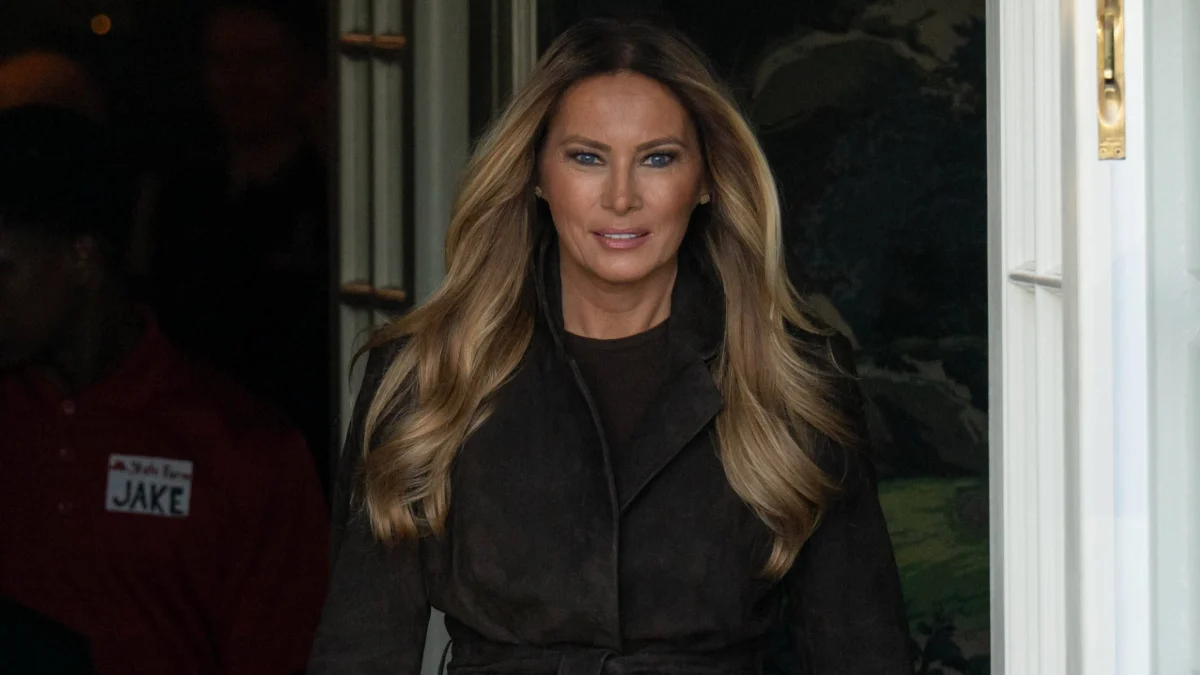
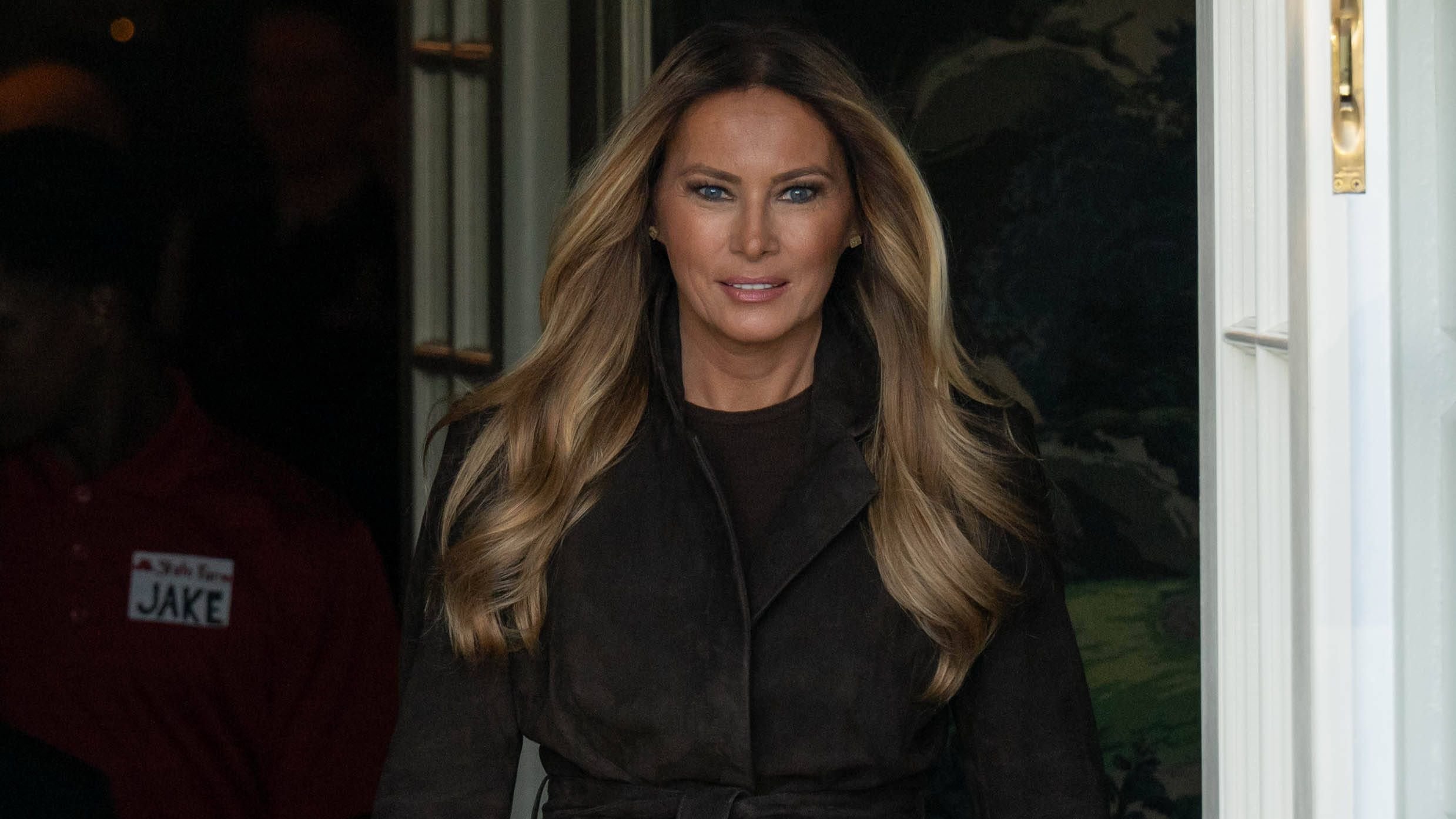
Ukrainian President Volodymyr Zelenskyy has honored Melania Trump, the First Lady of the United States, with the Order of Princess Olga, 1st Class. The award, presented for her humanitarian support, particularly her work for human rights and charitable initiatives benefiting Ukrainian children, marks a significant diplomatic gesture amidst the ongoing conflict. The Order of Princess Olga is a high state decoration in Ukraine, typically bestowed upon women who have made outstanding contributions to the Ukrainian state and society.
The award to Melania Trump comes at a critical juncture in international relations concerning the war in Ukraine. Her involvement in facilitating a localized ceasefire in the frontline city of Oleschky, enabling the evacuation of civilians, is highlighted as a key factor in this recognition. This humanitarian effort, which allowed residents to choose between evacuation to Ukraine or Russia and facilitated the delivery of essential aid, represents one of the longest localized ceasefires since the commencement of hostilities.
Background and Context of the Award
The Order of Princess Olga was established in 1992 to honor women for their significant achievements in various fields, including state building, public service, and humanitarian work. The bestowal of this order upon Melania Trump underscores Ukraine’s appreciation for international support, particularly from influential figures in global politics. This gesture can be interpreted as an attempt to strengthen diplomatic ties and acknowledge the role of non-governmental actors in providing crucial assistance during times of crisis.
Melania Trump’s public profile as First Lady has often been characterized by a focus on initiatives related to children’s welfare and combating cyberbullying. Her reported engagement in mediating the Oleschky ceasefire demonstrates a diplomatic outreach that extends beyond her established advocacy platforms, signaling a deeper involvement in the complex geopolitical landscape of the Ukraine conflict. The award specifically mentions her efforts for Ukrainian children, including those displaced from Russian-occupied territories, highlighting a commitment to vulnerable populations affected by the war.

Chronology of Events and Diplomatic Engagements
The recent diplomatic activities surrounding the Ukraine conflict have seen a flurry of engagements, both public and behind-the-scenes. President Zelenskyy’s administration has consistently sought to galvanize international support, engaging with world leaders and influential figures to bolster aid and diplomatic pressure on Russia.
The reported mediation efforts by Melania Trump leading to the Oleschky ceasefire are understood to have occurred in the period leading up to the announcement of the award. The specific timeline of her involvement, including discussions with representatives from both Ukraine and Russia, is not fully detailed but is understood to have culminated in a multi-day pause in fighting. This localized truce, lasting six days, allowed for the safe passage of civilians and the delivery of humanitarian supplies, a feat of considerable significance in the heavily contested southern regions.
Following the successful evacuation from Oleschky, the White House announced that Melania Trump would host a meeting with representatives from Ukraine and Russia at the White House. This meeting was intended to build upon the success of the Oleschky ceasefire and explore further avenues for de-escalation and humanitarian cooperation. The announcement of the award to Mrs. Trump by President Zelenskyy can be seen as a precursor to, or a concurrent event with, these diplomatic initiatives, underscoring Ukraine’s gratitude and its strategic approach to leveraging international goodwill.
Russian Attacks and Their Impact on Ukrainian Infrastructure
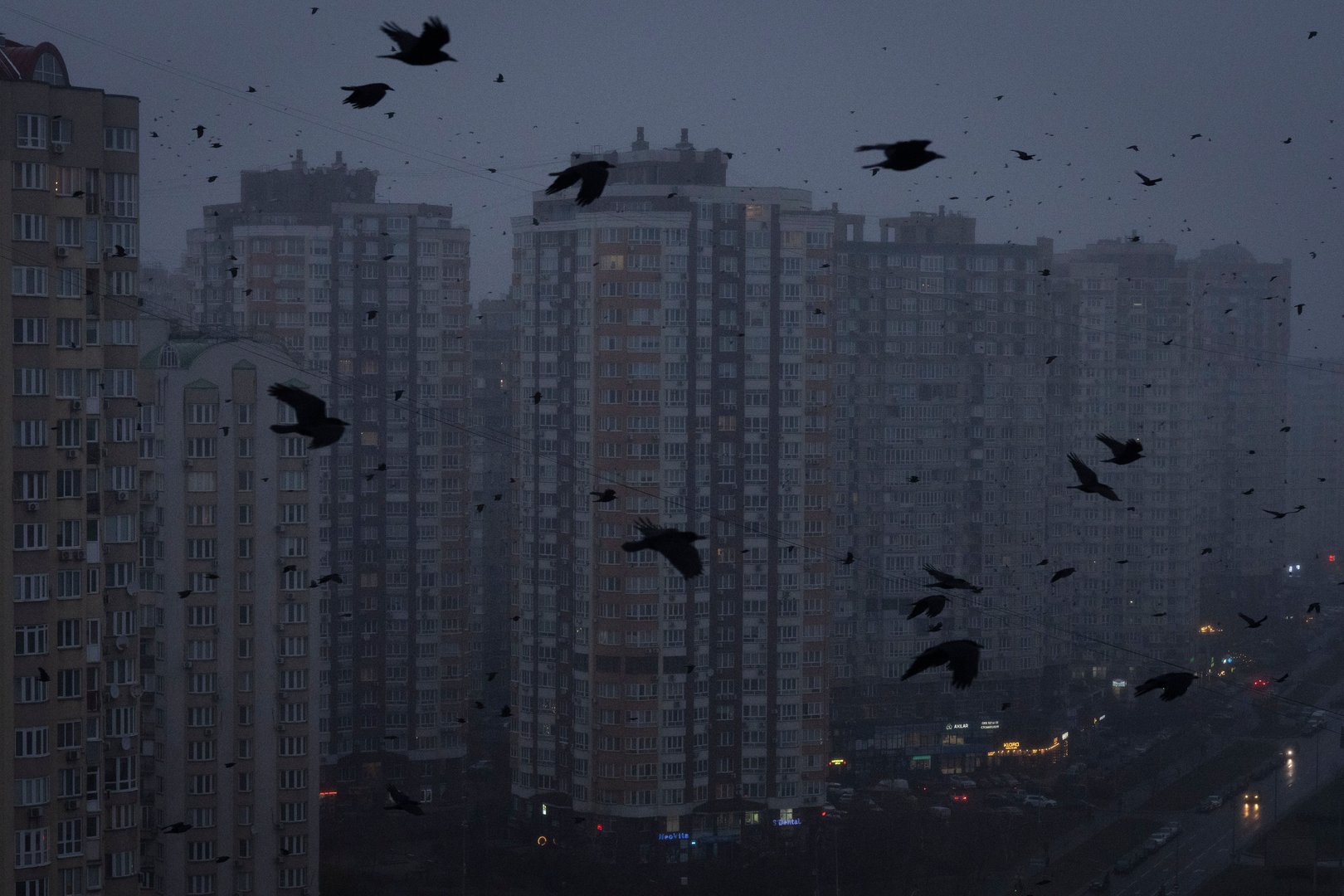
The context of the award is inextricably linked to the ongoing Russian aggression against Ukraine. Russia’s sustained attacks on Ukrainian energy infrastructure have created severe challenges for the nation, particularly as winter approaches. These attacks have led to widespread power outages, affecting millions of civilians and disrupting essential services, including heating and water supply.
The Ukrainian Deputy Minister of Energy, Artem Nekrasov, has reported that due to attacks on the power grid, nuclear power plants have been forced to reduce their output. This has resulted in significant power shortages across six regions of the country. President Zelenskyy has condemned these actions, describing them as "shelling practically around the clock" and emphasizing that repair efforts are prolonged due to repeated assaults. The situation in the capital, Kyiv, has been particularly dire, with residents and businesses experiencing prolonged periods without electricity and water. Similar disruptions have been reported in numerous other regions, including Kyiv, Zhytomyr, Chernihiv, Sumy, Poltava, Kharkiv, Cherkasy, Vinnytsia, and Donetsk. Emergency power outages are also occurring in the southern regions.
Beyond the energy sector, Russia’s military actions have had broader implications. The Ukrainian authorities reported that a Russian attack on a humanitarian aid distribution point in the south of Ukraine resulted in 37 fatalities, with potentially 38 individuals trapped and their survival status uncertain. Additionally, in the Russian region of Belgorod, bordering Ukraine, three people were reportedly killed in what Ukrainian authorities described as a drone attack. These incidents highlight the volatile and destructive nature of the conflict, with civilian casualties and damage to critical infrastructure being a persistent concern.
The attacks have also extended to the logistical and economic spheres. Aftermath of a drone attack, Russian authorities reported a fire at an Ozon logistics center in southern Russia, an online retailer. While Ukrainian forces have been accused of the attack, no immediate statement from Ukraine was available. This incident, the second targeting the Ozon facility in Adygejsk, is part of a pattern of Ukrainian strikes on large warehouses of online retailers like Ozon and its competitor Wildberries since July.
International Reactions and Diplomatic Maneuvers
The conflict in Ukraine continues to elicit a wide range of international reactions and diplomatic maneuvers. Following the US midterm elections, President Zelenskyy expressed hope for increased support from a potentially Democratic-controlled Congress. He stated in an interview with ZDF that he hoped a future Democratic majority in both chambers would be advantageous for Ukraine, while acknowledging gratitude towards Republicans. Zelenskyy emphasized that Democrats generally advocate strongly for Ukraine’s support, fostering hope for a recalibration of power dynamics and enhanced assistance. He believes this could also influence Russian President Vladimir Putin.
In parallel, diplomatic efforts are underway to de-escalate the conflict and explore pathways to peace. Ukrainian President Zelenskyy has been engaged in discussions with US officials regarding upcoming negotiations with Russia, scheduled to take place in Abu Dhabi on November 10th and 11th. These talks aim to resume the suspended negotiations from February. However, expectations for a significant breakthrough remain low. Zelenskyy reiterated Ukraine’s readiness for necessary steps towards a swift end to the war and has presented proposals to the US side. He stressed the need for robust security guarantees for Ukraine post-conflict, likening them to "reinforced concrete."

German officials have also weighed in on the implications of the US midterm elections for the Ukraine war. Johann Wadephul, the German Federal Foreign Minister, expressed optimism that the election outcome could inject new momentum into international support for Ukraine. He suggested that the elections might foster renewed bipartisan dialogue in the US Congress regarding collective support for Ukraine. Wadephul noted that while politicians might have exercised restraint during the election campaign, there are staunch supporters of Ukraine in both houses and across both parties.
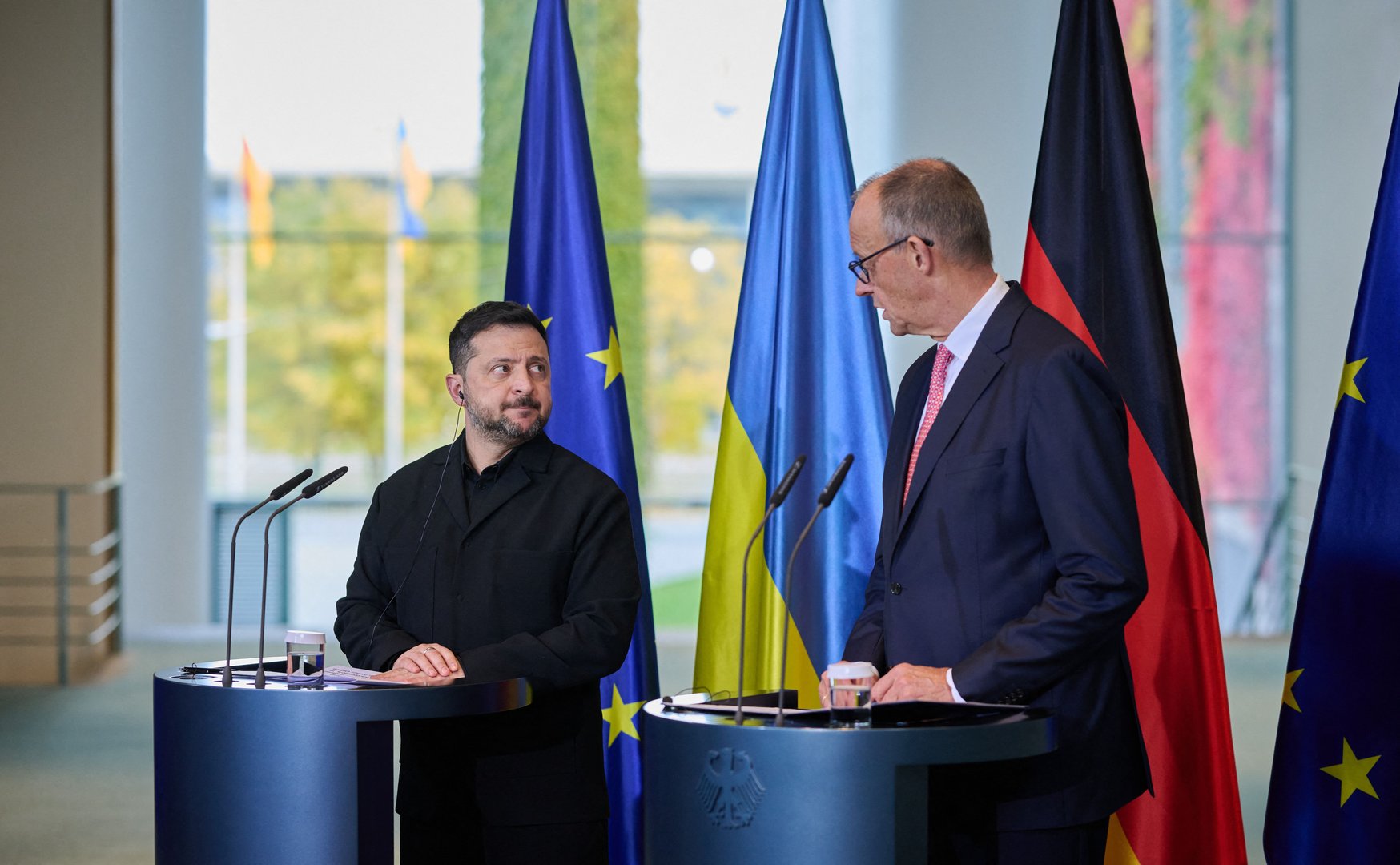
The broader European response is also evolving. German Chancellor Friedrich Merz has commented on the conflict, suggesting that Russia’s actions in the Black Sea, particularly attacks on cargo ships, risk exacerbating a global food crisis. He argued that these actions disproportionately affect the world’s poorest nations. Merz also highlighted the humanitarian efforts in Oleschky as a potential model for future peace initiatives, a sentiment echoed by the Ukrainian Ombudsman, Dmytro Lubinez.
The European Commission is also coordinating efforts, organizing a meeting in Brussels with representatives from the United States and key European allies. This meeting, involving delegates from Germany, France, the UK, NATO, and the World Bank, builds upon previous discussions held in Miami. According to an insider, the agenda includes plans for Ukraine’s reconstruction and security guarantees for the country.

Analysis of Implications and Future Outlook
The award to Melania Trump, while seemingly a symbolic gesture, carries significant diplomatic weight. It reinforces Ukraine’s narrative of seeking broad international solidarity and highlights the potential for non-traditional diplomatic channels to yield positive outcomes. Her involvement in the Oleschky ceasefire demonstrates a capacity for mediation that could be further leveraged in future de-escalation efforts.
The persistent Russian attacks on Ukrainian infrastructure pose a grave threat to the country’s resilience, particularly with the onset of winter. The sustained disruption of power and water supplies not only impacts the civilian population but also hampers economic activity and military operations. The international community’s response, particularly from the United States and European allies, remains crucial in providing Ukraine with the necessary resources for defense and reconstruction.

The upcoming negotiations in Abu Dhabi, while facing low expectations, represent another opportunity for diplomatic engagement. The success of these talks will hinge on the willingness of both sides to compromise and the extent to which international mediators can facilitate a constructive dialogue. The ongoing war, with its devastating human cost and its destabilizing impact on global affairs, underscores the urgent need for a peaceful resolution.
President Zelenskyy’s warnings about Russia’s military buildup and his call for increased European defense preparedness are indicative of a long-term strategic outlook. His emphasis on collective security and his critique of illusions regarding Russian intentions suggest a sober assessment of the protracted nature of the conflict. The EU’s ongoing efforts to advance Ukraine’s accession talks also signal a commitment to integrating Ukraine into the European security architecture, a move that could have significant geopolitical ramifications.
The German Chancellor’s comments regarding Russia’s potential to provoke a global food crisis through its actions in the Black Sea underscore the interconnectedness of the conflict with global economic stability. The continued international pressure on Russia, coupled with sustained support for Ukraine, remains the central strategy for addressing the crisis. The effectiveness of these combined efforts will shape the trajectory of the conflict and its broader implications for international security and humanitarian well-being.
