

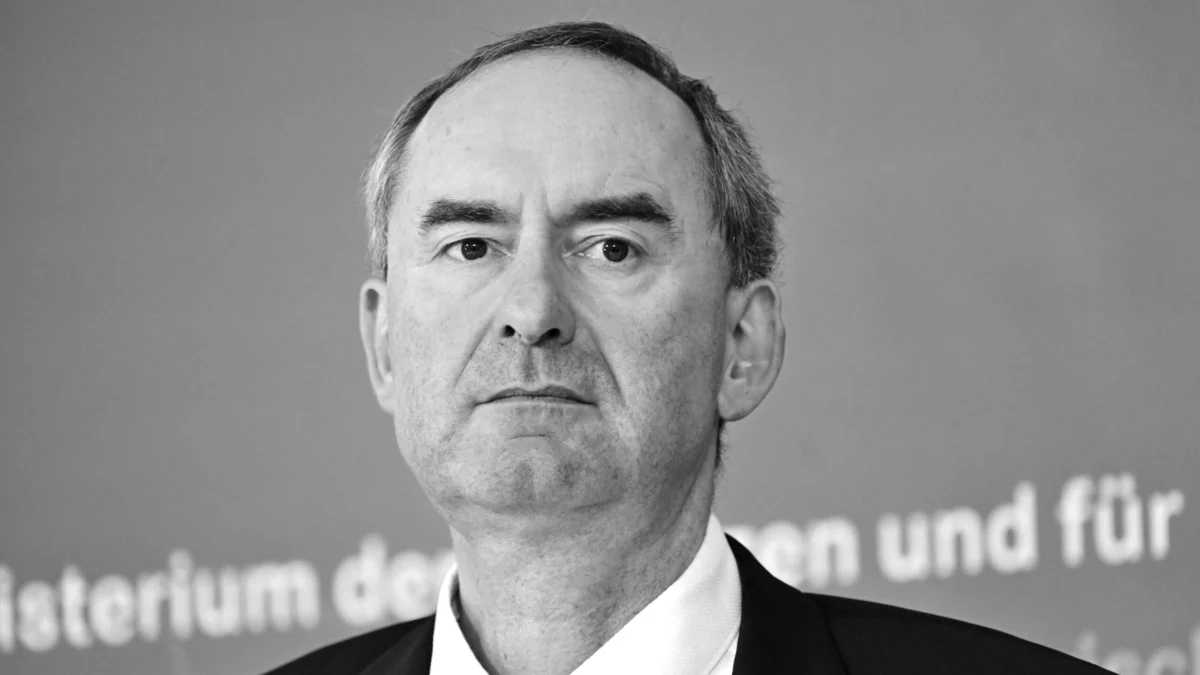
Bavarian Vice-Minister President and Economics Minister Hubert Aiwanger has died at the age of 55, a development that has sent shockwaves through the political landscape of Bavaria and Germany. The news, first reported by Bild and subsequently confirmed by high-ranking government sources in Bavaria to the Deutsche Presse-Agentur (dpa), marks the sudden and tragic end of a prominent political career. Aiwanger was discovered deceased in a hotel room in Berlin.
The circumstances surrounding his death began to unfold on the afternoon of his discovery. Aiwanger was scheduled to deliver a keynote address at the opening of a new capital office for the Freie Wähler (Free Voters), a political movement he leads at both federal and state levels. However, he had previously canceled his participation, citing health reasons, and had arranged for a representative to speak in his stead. Later, attempts to reach him proved unsuccessful, leading to the discovery of his lifeless body in his hotel room.
Aiwanger, a native of Lower Bavaria, was a significant figure within Bavarian politics. He was 55 years old and is survived by his two children. He lived with Tanja Schweiger, a district administrator for the Freie Wähler. His passing leaves a considerable void within the Freie Wähler party, which he had steered as their most recognizable and, at times, most contentious leader.
A Political Trajectory Marked by Growth and Controversy
Hubert Aiwanger’s political journey with the Freie Wähler began in earnest in 2008 when he led the party’s entry into the Bavarian State Parliament (Landtag). He quickly rose to become the leader of the Freie Wähler parliamentary group, establishing himself as a forceful voice for the party. His influence grew substantially in 2018 when the Christian Social Union (CSU) and the Freie Wähler formed a coalition government in Bavaria. In this administration, Aiwanger assumed the crucial roles of Minister of Economic Affairs, Regional Development, and Energy, and concurrently served as the Vice-Minister President of Bavaria.
His tenure as Economics Minister was characterized by a focus on supporting small and medium-sized enterprises (SMEs), rural development, and advocating for the interests of Bavarian industry. He often positioned himself as a champion for the " Mittelstand," the backbone of the German economy, emphasizing practical solutions and a down-to-earth approach to policy-making. His public persona was often that of a relatable politician, unafraid to engage in direct dialogue with citizens and address their concerns.
However, Aiwanger’s political career was not without its share of controversies. He was known for his sometimes provocative statements and his willingness to challenge established political norms. These instances often generated significant media attention and debate, highlighting his ability to capture headlines and rally his base, even as they drew criticism from opponents and sections of the public. His political style was frequently described as populist, resonating with voters who felt overlooked by mainstream parties.
Chronology of Key Events
- 2008: Hubert Aiwanger, leading the Freie Wähler, is elected to the Bavarian State Parliament. He becomes the Fraktionschef (parliamentary group leader).
- 2018: Following the state elections, the CSU and Freie Wähler form a coalition government in Bavaria. Aiwanger is appointed as the State Minister of Economic Affairs, Regional Development, and Energy, and also assumes the role of Vice-Minister President.
- Prior to his death: Aiwanger cancels his scheduled appearance at the Freie Wähler’s capital office opening due to health reasons.
- Date of discovery: Hubert Aiwanger is found deceased in a hotel room in Berlin.
Background and Context
The news of Aiwanger’s death comes at a critical juncture for Bavarian politics. The coalition between the CSU and Freie Wähler has been a significant force in shaping the state’s governance for several years. Aiwanger, as the leader of the junior coalition partner and a key minister, played a vital role in maintaining this alliance. His sudden absence will undoubtedly necessitate adjustments within the government and the Freie Wähler party.
The Freie Wähler, originating from local civic action groups, have successfully transitioned into a significant regional and increasingly national political force. Their platform often emphasizes decentralization, regional identity, and pragmatic solutions, appealing to a segment of the electorate disillusioned with traditional party politics. Aiwanger has been instrumental in this expansion, providing the party with a charismatic and recognizable leader who could articulate their vision and connect with voters across Bavaria and beyond.
His role as Vice-Minister President placed him at the heart of Bavarian executive power. He was involved in key policy decisions affecting the state’s economy, energy sector, and regional development initiatives. His death creates a leadership vacuum that will be keenly felt by his party and the state government.
Official Responses and Political Reactions (Inferred)
While official statements are still being processed and released, it is anticipated that political leaders across the spectrum will express their condolences. Expressions of shock and sorrow are expected from within the CSU, the Freie Wähler, and other parliamentary parties.
- CSU Leadership: It is highly probable that Bavarian Minister President Markus Söder will issue a statement acknowledging Aiwanger’s passing and his contributions to the state government. Söder and Aiwanger, despite occasional policy differences, have maintained a working relationship as coalition partners.
- Freie Wähler Party: The leadership and members of the Freie Wähler are expected to be profoundly affected. Statements will likely highlight Aiwanger’s dedication to the party and his role in its growth. The question of succession within the party will immediately become a pressing issue.
- Federal Political Figures: Given Aiwanger’s role as federal chairman of the Freie Wähler, national political figures, including those from the federal government and other parties, are likely to offer their sympathies.
The immediate aftermath will likely involve a period of mourning and reflection within Bavarian political circles. The focus will shift to managing the transition and ensuring continuity in government operations.
Broader Impact and Implications
The death of Hubert Aiwanger carries significant implications for the future of Bavarian politics and the Freie Wähler party.
- Leadership Succession: The Freie Wähler will need to identify a successor to lead the party both in Bavaria and at the federal level. This process could lead to internal debates and potentially reshape the party’s direction and public image. Aiwanger’s unique charisma and political acumen will be difficult to replace.
- Coalition Stability: While the CSU-Freie Wähler coalition has been relatively stable, the loss of a key partner and prominent figure like Aiwanger could introduce new dynamics. The ability of the remaining coalition partners to navigate this challenge will be crucial for the continued governance of Bavaria.
- Political Discourse: Aiwanger was often a prominent voice in public discourse, known for his direct style and willingness to engage in contentious issues. His absence will alter the tenor of political debate in Bavaria, potentially leading to a less confrontational, though perhaps less dynamic, political environment.
- Legacy: Hubert Aiwanger leaves behind a legacy as a politician who significantly amplified the voice of the Freie Wähler, transforming them from a regional movement into a substantial political force. His impact on Bavarian politics, particularly in the formation and sustenance of the current coalition government, is undeniable. His passing is a somber moment for Bavarian politics, marking the end of a distinctive chapter.
The suddenness of his death leaves many unanswered questions and underscores the fragility of life, even for those in positions of considerable public influence. As the political landscape adjusts to this profound loss, the contributions and controversies of Hubert Aiwanger will undoubtedly be subjects of ongoing discussion and analysis.
