

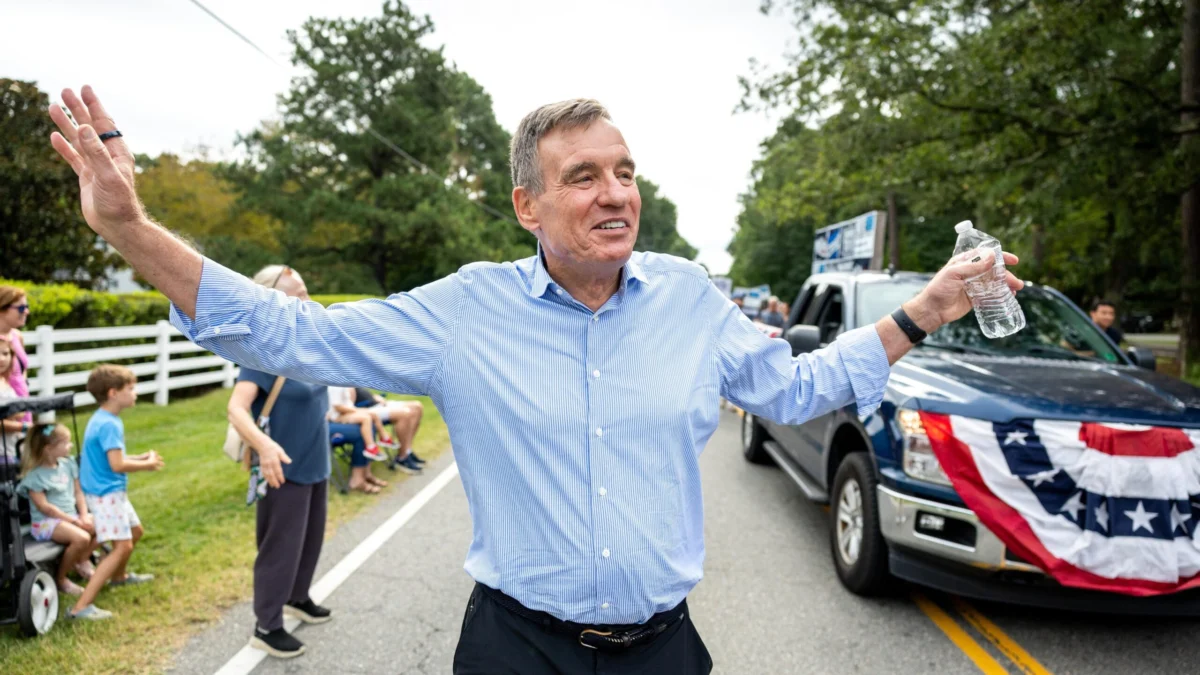
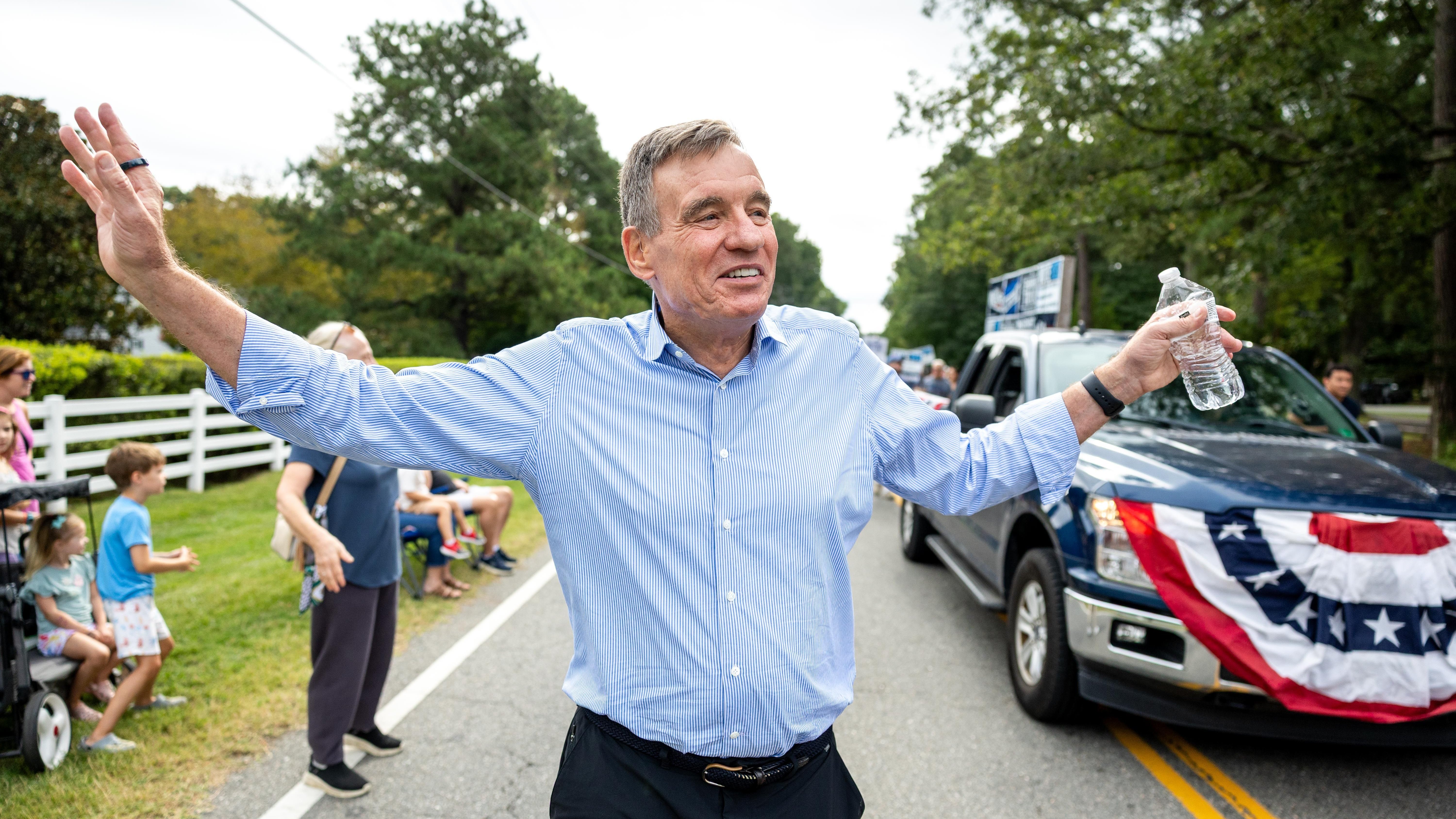
The United States is closely watching the unfolding results of its midterm elections, with the first significant victory declared in the Senate race for Virginia. Incumbent Democrat Mark Warner has successfully secured a fourth term, defeating Republican challenger Bert Mizusawa. This outcome marks the initial definitive call in a Senate contest, signaling a crucial early win for the Democratic party as vote counting continues across the nation.
The election, held amidst a complex political landscape, saw voters grapple with a multitude of issues, from economic concerns and inflation to deeply divisive social and cultural debates. The midterm elections are traditionally seen as a referendum on the sitting president’s administration, and this year’s contests were no exception, with significant implications for President Joe Biden’s policy agenda and the balance of power in Washington D.C.
A Look at the Virginia Senate Race

Mark Warner, a seasoned politician who has served in the Senate since 2009, ran on his record of legislative experience, particularly his work on the Senate Intelligence Committee. His campaign emphasized his commitment to national security, economic development in Virginia, and bipartisan cooperation. His opponent, Bert Mizusawa, a retired Army Major General, presented himself as an outsider focused on addressing inflation, border security, and what he characterized as excessive government spending.
The race, while yielding an early decision, reflects the broader partisan divisions that characterize American politics. Warner’s victory in Virginia, a state that has increasingly leaned Democratic in recent presidential elections, is seen as a testament to his established presence and the state’s demographic shifts. However, the close nature of many contests nationwide suggests that control of the Senate, and indeed the House of Representatives, will likely remain a hard-fought battle, with results potentially extending for days.
Broader Election Context and Key Issues
Beyond the Virginia Senate race, the midterm elections encompass a vast array of contests, including all 435 seats in the House of Representatives, 35 of the 100 Senate seats, and 36 governorships. The outcomes will determine the legislative agenda for the remainder of President Biden’s term and shape the political landscape heading into the 2024 presidential election.
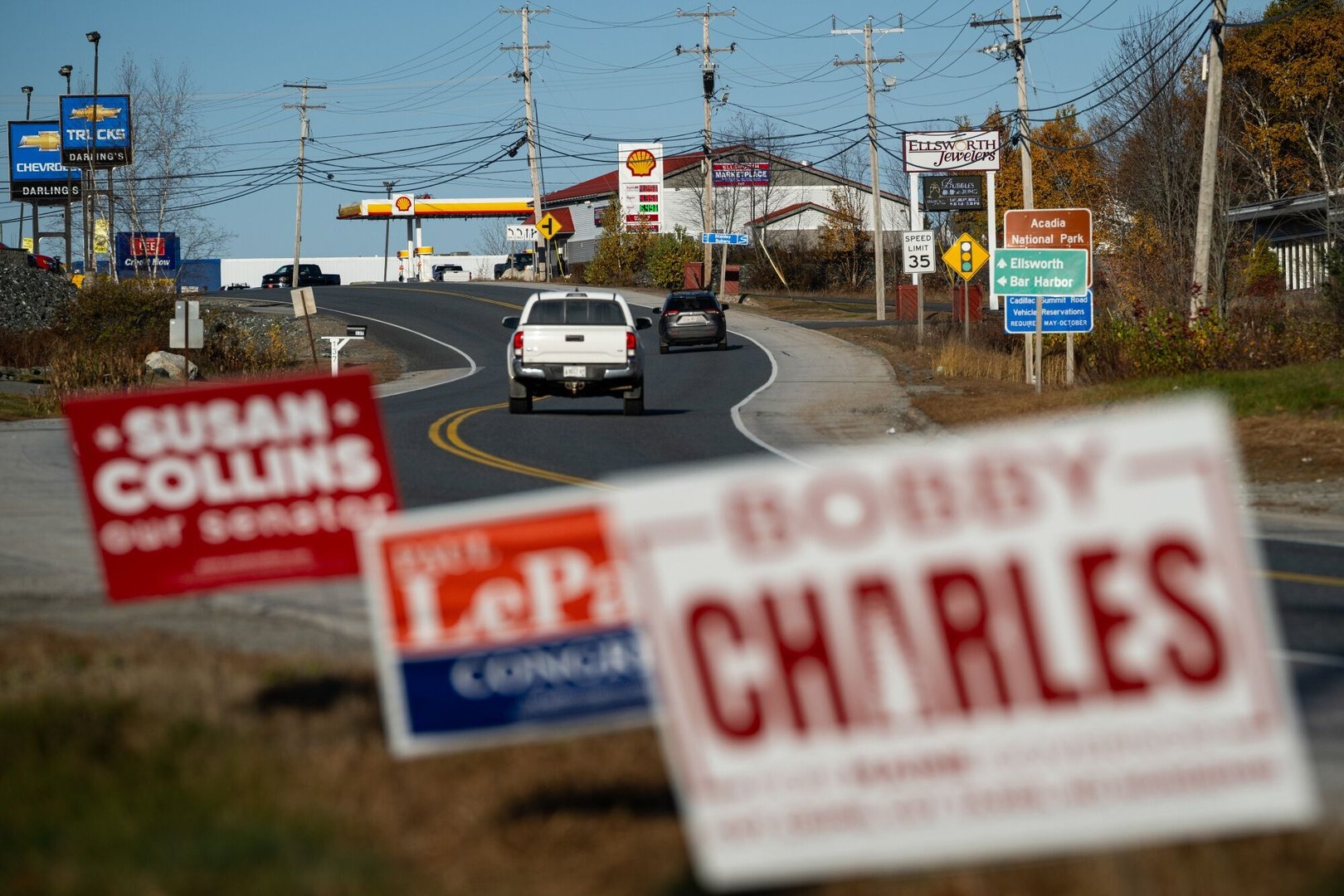
Several key issues have dominated campaign discourse:
- Economy and Inflation: Rising prices for everyday goods, energy costs, and concerns about a potential recession have been a primary focus for voters. Republicans have largely campaigned on promises to curb inflation through fiscal conservatism and reduced government spending, while Democrats have highlighted efforts to lower costs for families and invest in domestic manufacturing.
- Abortion Rights: The Supreme Court’s decision to overturn Roe v. Wade has galvanized voters, particularly Democrats and independent women, who see the midterms as a crucial opportunity to codify abortion access at the federal level or to defend state-level protections. Ballot initiatives related to abortion rights are present in several states, offering direct democratic input on the issue.
- Democracy and Governance: Concerns about the integrity of elections, the future of democratic institutions, and the rise of political extremism have also been prominent. This includes debates over voting rights, election administration, and the role of disinformation in politics.
- Immigration and Border Security: The ongoing challenges at the U.S.-Mexico border remain a significant issue, with differing approaches proposed by both parties regarding border enforcement, asylum policies, and pathways to citizenship.
- Climate Change: While not always at the forefront of every individual race, the long-term implications of climate change and the role of government policy in addressing it continue to be a point of divergence between the parties, particularly in relation to energy policy and environmental regulations.
Chronology of Election Day and Initial Developments
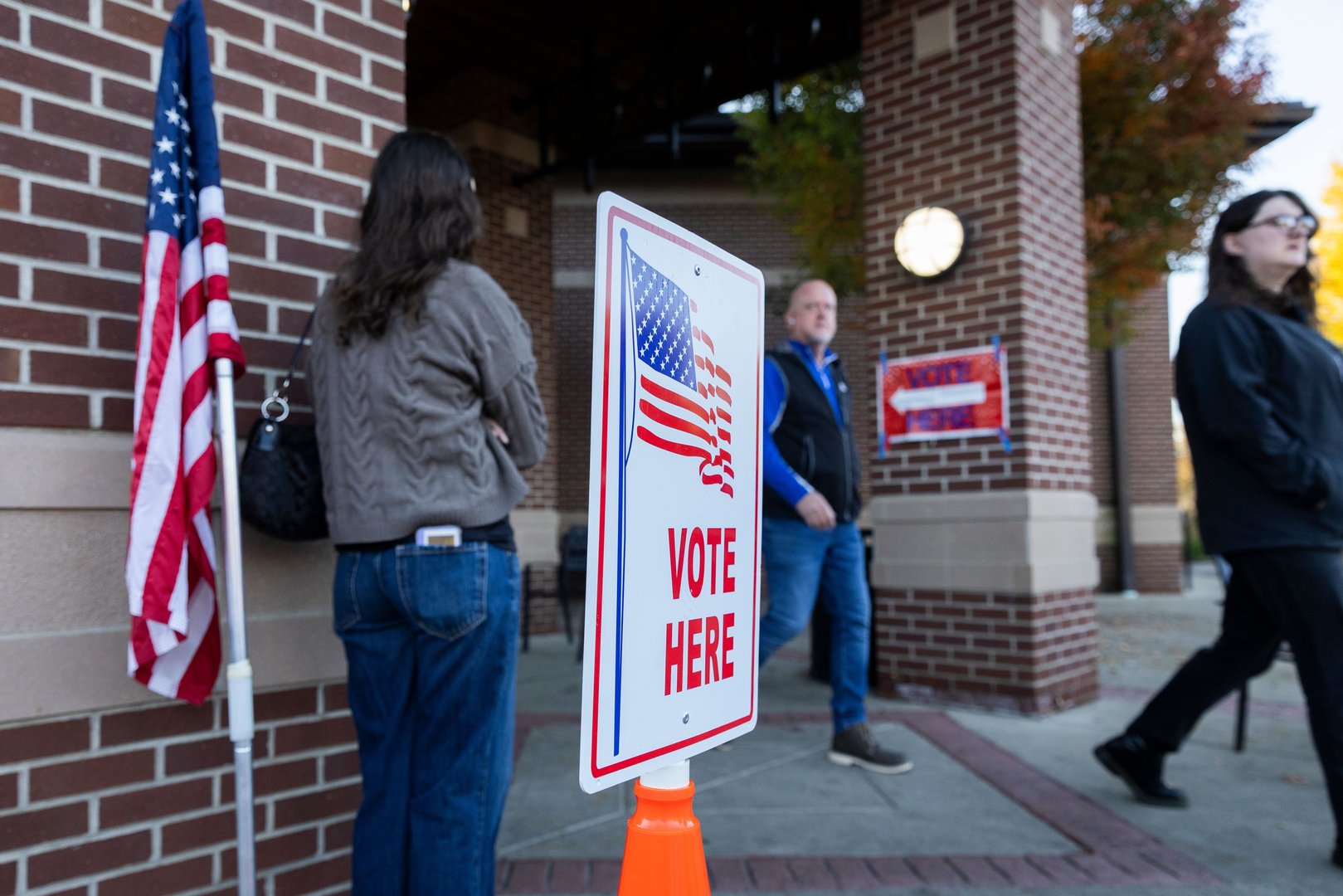
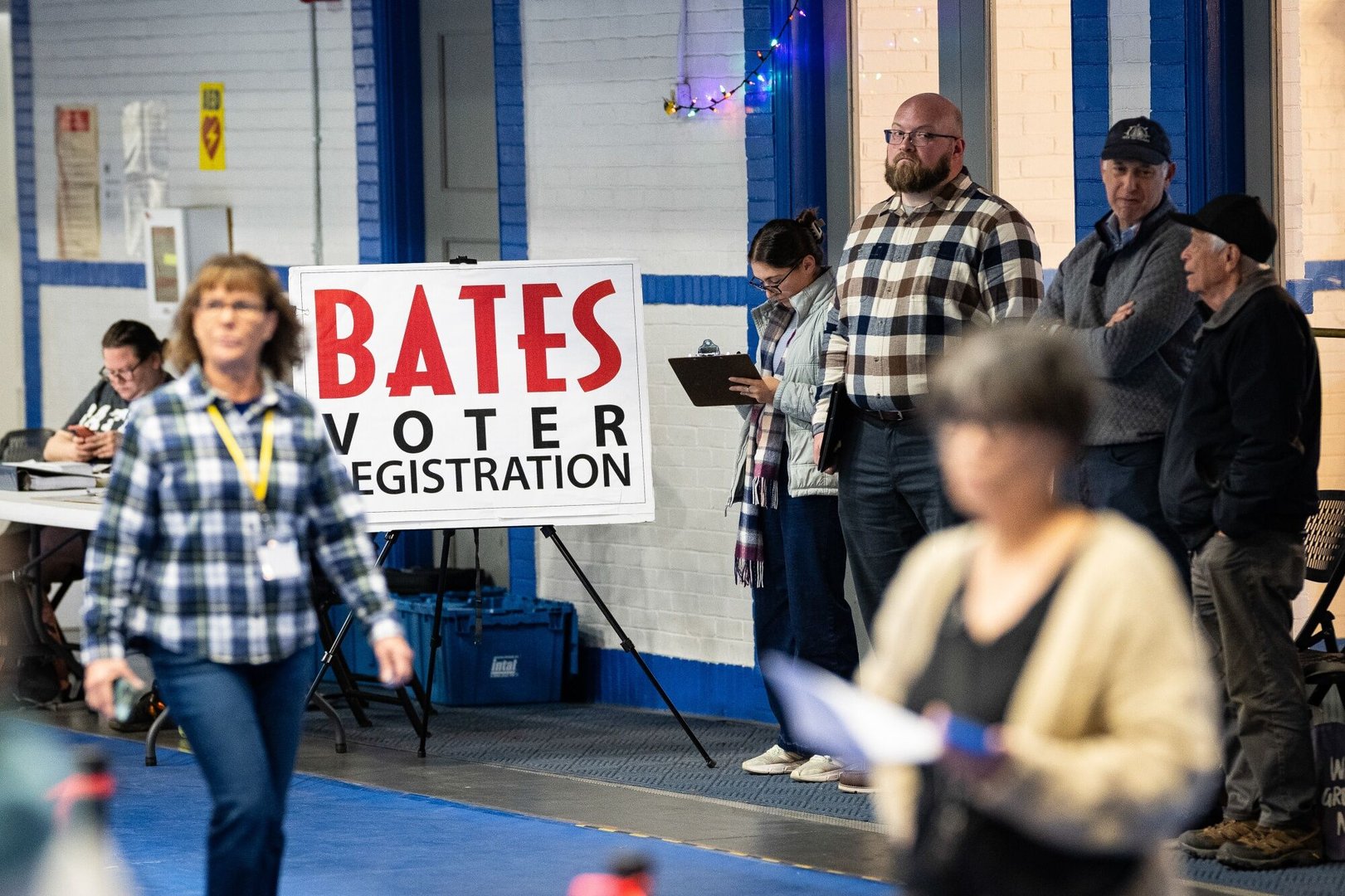
The voting process began early on Tuesday, November 8th, with polls opening in various time zones.
- Early Voting Commences: Politions opened in states like Vermont at 5 a.m. local time (11 a.m. EST). As the day progressed, polls opened across the continental United States, with a staggered schedule due to the country’s multiple time zones.
- First Polls Close: The initial wave of polling locations began to close at 6 p.m. local time in parts of Indiana and Kentucky (midnight EST). This marked the beginning of the vote-counting process.
- Virginia Senate Race Declared: Shortly after polls closed in Virginia, the Associated Press called the Senate race, with Democrat Mark Warner projected as the winner over Republican Bert Mizusawa. This was the first major Senate race declared.
- Ongoing Vote Counting: As the night progressed, vote counts continued to come in from across the country. Many races, particularly those for control of the House and key Senate seats, were too close to call, with results expected to extend into the following days.
Technical Glitches and Voting Challenges
Reports of technical issues and administrative challenges have emerged from various polling stations, raising concerns about voter access and the smooth execution of the electoral process.
- Machine Malfunctions: In Chester County, Pennsylvania, and in several counties in North Carolina, voters encountered issues with voting machines, leading to brief delays in opening polling stations. Election officials in these areas extended voting hours to compensate for the disruptions.
- Ballot Scanner Failures: In Westchester County, New York, ballot scanners experienced malfunctions, impacting the ability to process paper ballots. This is expected to delay the tabulation of results in a closely contested House race.
- Paper Shortages: In one precinct in Kansas, a shortage of paper ballots briefly halted voting.
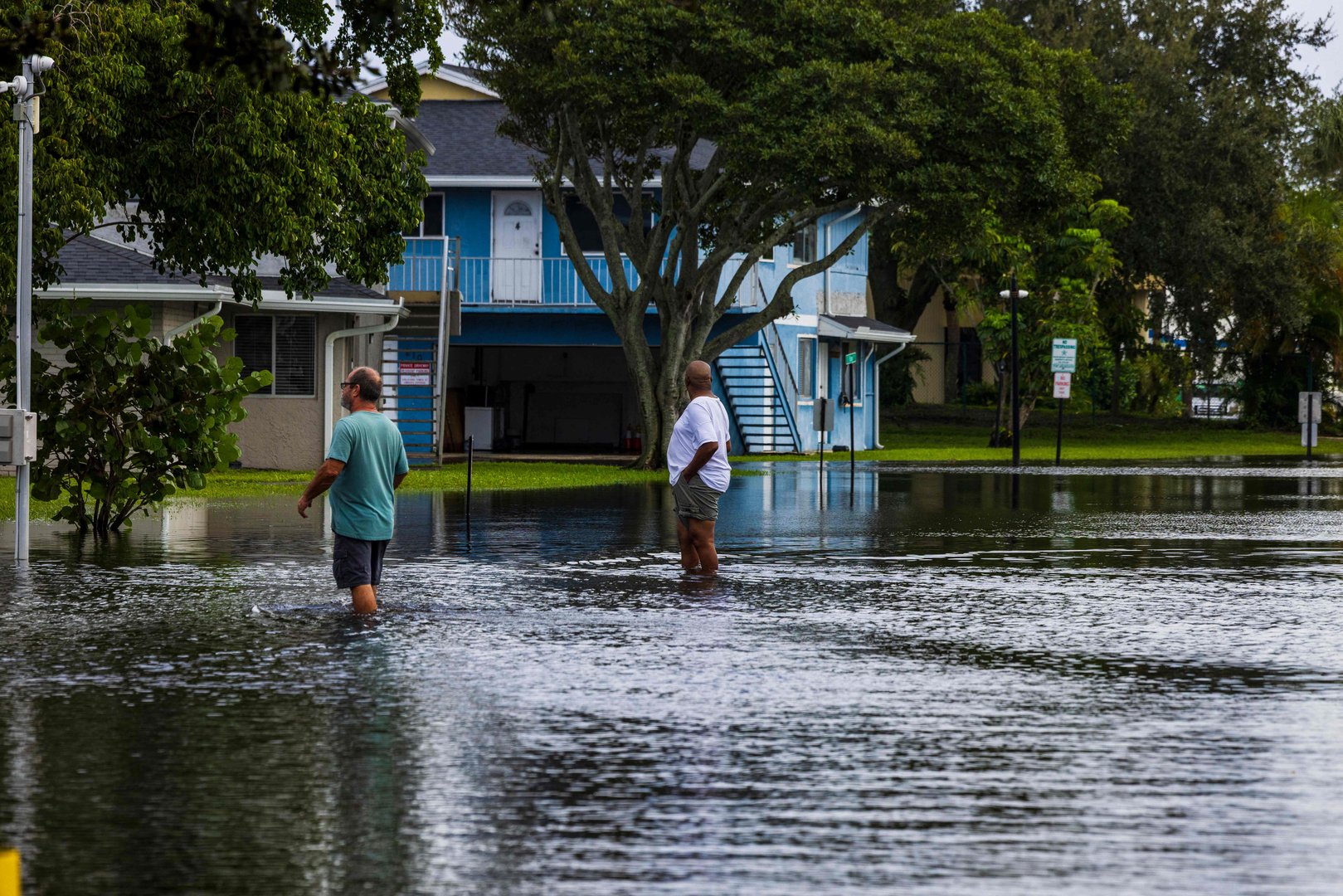
- Flooding Disruptions: In Florida, persistent rain and flooding forced the relocation of 21 polling places across eight counties. Election officials worked to inform voters of the changes via text and email, and by posting signage at the original locations.
- New Voter ID Laws: The implementation of new voting laws in several Republican-led states has also been a point of contention. These laws, which often include stricter identification requirements or limitations on mail-in voting, have been criticized by voting rights advocates as potential barriers to access for certain demographics. For instance, New Hampshire now prohibits student IDs for voting, and Iowa has restricted the ability of other voters to vouch for an individual’s identity.
Key Ballot Initiatives and State-Level Decisions
Beyond federal races, voters in numerous states and municipalities are deciding on a wide range of ballot measures that address critical social and economic issues.
- AI Data Centers: In ten states and 38 municipalities, voters are deciding on measures that could delay, ban, or impose new regulations on the construction of AI data centers. These facilities, crucial for powering artificial intelligence applications, have drawn local opposition due to concerns about their environmental impact, particularly water and energy consumption.
- Billionaire Tax in California: California is voting on Proposition 40, a measure that would impose a 5% tax on the global assets of the state’s wealthiest billionaires. The revenue generated is earmarked for health programs, but the initiative has divided Democrats, with Governor Gavin Newsom opposing it due to concerns about potential capital flight.
- Transgender Athletes in Sports: Several states, including Colorado, Washington, Arizona, and Nebraska, are considering measures related to the participation of transgender athletes in sports. These initiatives often focus on restricting transgender girls and women from competing in female sports categories, reflecting a broader national debate on LGBTQ+ rights.
Public Sentiment and Voter Motivations

Exit polls and pre-election surveys have provided insights into the prevailing mood of the electorate.
- Economic Anxiety: A significant portion of voters cited economic concerns, including inflation and the cost of living, as their primary motivation for voting. This sentiment has fueled the Republican narrative of fiscal responsibility and a desire for a change in economic policy.
- Discontent with Government: A substantial number of voters expressed frustration or anger with the direction of the country, with many indicating a desire for greater congressional oversight of the executive branch.
- Impact of Supreme Court Decisions: The overturning of Roe v. Wade has demonstrably influenced voter behavior, particularly among women and younger voters, who have turned out in significant numbers to support candidates advocating for abortion rights.
- High Gas Prices: The elevated cost of fuel has been a persistent concern, with gas prices reaching record highs on Election Day. This issue directly impacts household budgets and has become a key talking point for both parties, though with differing proposed solutions.
Analysis of Potential Implications

The outcomes of these midterm elections will have profound and far-reaching implications:
- Legislative Gridlock or Cooperation: A divided Congress, with one chamber controlled by each party, could lead to increased legislative gridlock, making it difficult to pass significant new legislation. Alternatively, it could foster a period of bipartisan negotiation and compromise on specific issues.
- President Biden’s Agenda: The ability of President Biden to advance his policy objectives will be significantly impacted by the composition of Congress. A Republican-controlled House or Senate could lead to increased oversight, investigations, and challenges to his administration’s initiatives.
- 2024 Presidential Race: The midterm results will undoubtedly set the stage for the 2024 presidential election, shaping the narratives and strategies of potential candidates from both parties. The performance of key figures and the prevailing political mood will influence the dynamics of future presidential campaigns.
- State-Level Policy Shifts: The outcomes of gubernatorial races and ballot initiatives will lead to varied policy approaches at the state level, potentially creating a patchwork of laws on issues ranging from abortion access and environmental regulations to education and voting rights.
As the nation awaits the final tally of votes, the midterm elections of [Year] stand as a critical juncture, reflecting the deep divisions and complex challenges facing the United States. The early declaration in Virginia’s Senate race underscores the intense focus on every seat and every vote as the country navigates its political future.
