

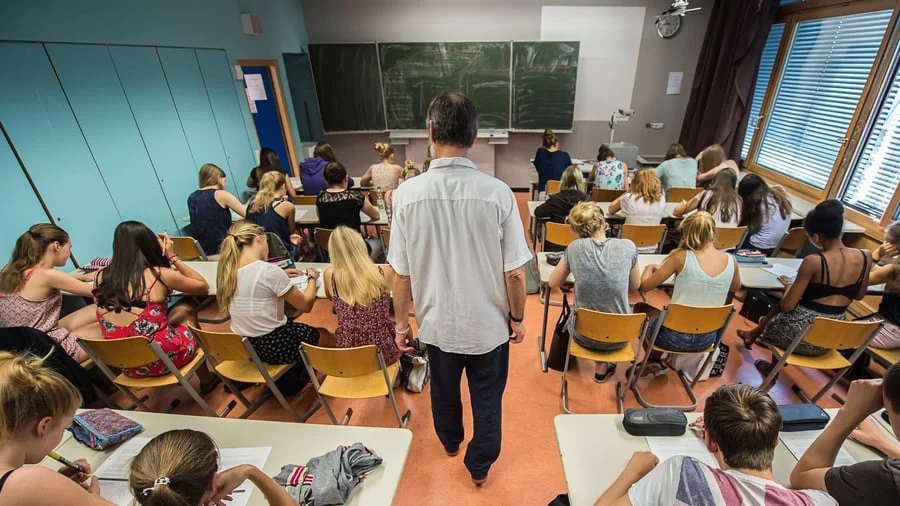
Since late September, Handelsblatt has been critically examining Germany’s educational crisis through a series of guest articles, complemented by in-depth analyses and interviews. This extensive coverage has elicited a significant response from readers, who have shared their concerns and engaged in a collective dialogue to "rethink education." This moment calls for a comprehensive interim assessment of the situation, underscoring the persistent decline in educational outcomes and the growing urgency for systemic reform.
A Deepening Educational Deficit: The Pisa Study’s Stark Findings
The consensus among experts and the public alike is that Germany’s educational performance is on a downward trajectory. The Programme for International Student Assessment (PISA), a triennial survey conducted by the Organisation for Economic Co-operation and Development (OECD), has consistently highlighted this decline for German 15-year-olds since its inception in 2000. Across core subjects—science, reading, and mathematics—German students have shown a steady deterioration in their scores. What was once termed the "Pisa shock" in response to initial poor results has, over two decades of continuous decline, evolved into a somber acknowledgment of a persistent crisis, leaving many questioning who can still be genuinely shocked by these recurring failures.
The PISA study, first launched in 2000, aims to evaluate education systems worldwide by testing the skills and knowledge of 15-year-old students. It focuses on how well students can apply their learning to real-life challenges, rather than just their mastery of the curriculum. The consistent underperformance of German students in these international benchmarks has profound implications for the nation’s future competitiveness and the social mobility of its citizens.
A Troubling Trend: Decades of Declining Scores
The data from successive PISA cycles paint a clear and concerning picture:
- 2000: Germany participated for the first time and experienced a significant "Pisa shock" due to unexpectedly low results, particularly in reading. This led to widespread public debate and a commitment to educational reforms.
- 2003: A slight improvement was observed, offering a glimmer of hope.
- 2006: Scores began to stagnate or decline again, signaling that initial reforms might not have been sufficient or effectively implemented.
- 2009: Further declines were recorded, reinforcing concerns about the long-term trajectory.
- 2012: Results showed a continued downward trend, particularly in mathematics, prompting renewed calls for action.
- 2015: The PISA 2015 results indicated a further weakening of performance, with a significant portion of students failing to reach baseline competencies in all three tested domains.
- 2018: The PISA 2018 results revealed a further drop in all three subjects, with Germany falling below the OECD average in science and mathematics and showing only marginal improvement in reading. The study highlighted a widening gap in performance based on socioeconomic background.
- 2022 (Results expected in 2023/2024): While the latest PISA cycle data is still being analyzed and released, preliminary indicators from national assessments and anecdotal evidence suggest that the challenges identified in PISA 2018 may have been exacerbated, particularly in the wake of the COVID-19 pandemic.
The cumulative effect of these trends is a generation of students not adequately prepared for the demands of higher education, vocational training, or the modern workforce. The PISA study is not merely an academic exercise; it is a critical diagnostic tool that reflects the health of a nation’s human capital.
Contributing Factors to the Educational Decline
The persistent decline in German students’ performance is a complex issue with multiple interconnected causes. While no single factor can be solely blamed, several key areas are consistently identified as contributing to the problem:
Socioeconomic Disparities and Educational Equity
One of the most significant findings from recent PISA studies is the strong correlation between a student’s socioeconomic background and their academic achievement. Germany’s historically rigid school system, with its early tracking into different school types (Hauptschule, Realschule, Gymnasium), has been criticized for reinforcing social inequalities. Students from disadvantaged backgrounds are disproportionately represented in lower-track schools and often achieve lower scores.
- Data Insight: PISA 2018 revealed that in Germany, approximately 26% of students’ performance variance in reading could be attributed to socioeconomic status, a figure higher than the OECD average. This suggests that a child’s family background plays a substantial role in their educational success, more so than in many other developed nations.
The pandemic further widened these gaps. Students from lower-income households often lacked access to reliable internet, suitable study spaces, and parental support for home learning, leading to significant learning losses that were difficult to recover.
Teacher Shortages and Quality of Instruction
Germany is facing a growing shortage of qualified teachers, particularly in certain regions and subjects. This has led to larger class sizes, increased workload for existing teachers, and the deployment of underqualified staff. The quality of instruction is directly impacted by the availability of experienced and well-trained educators.
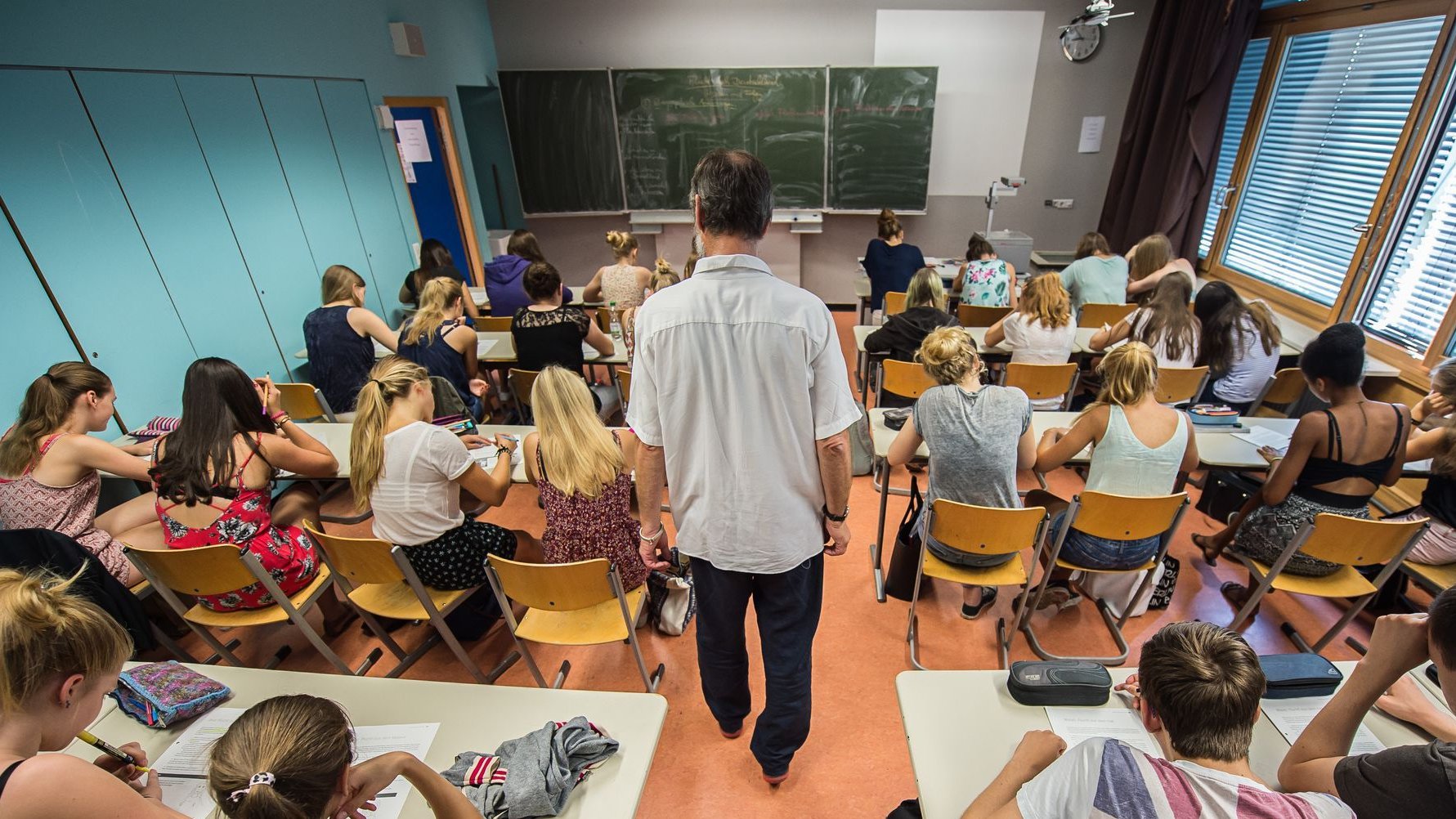
- Analysis: The effectiveness of teaching methods, pedagogical training, and continuous professional development are crucial. A lack of investment in teacher recruitment, training, and retention can undermine even the most well-intentioned educational reforms. The reliance on traditional teaching methods in some classrooms, which may not engage all learning styles effectively, is also a point of concern.
Digitalization and Modern Pedagogy
While other nations have embraced digital learning tools and innovative pedagogical approaches, Germany has been perceived as lagging in this area. The rapid pace of technological advancement requires educational systems to adapt, integrating digital literacy and new learning methodologies into the curriculum.
- Timeline Context: The push for digitalization in schools gained momentum in the late 2010s, but implementation has been uneven. The COVID-19 pandemic starkly exposed these deficiencies, highlighting the need for robust digital infrastructure and teacher training in online pedagogy.
Curriculum and Assessment Methods
There are ongoing debates about the relevance and effectiveness of the current curriculum. Critics argue that it is often too theoretical and disconnected from the practical skills needed in the 21st century. Assessment methods are also under scrutiny, with a call for more formative assessments that support learning rather than solely measuring outcomes.
Reactions and Calls for Reform
The consistent findings of the PISA studies have triggered a wide range of reactions from various stakeholders:
- Educational Experts: Academics and researchers have consistently called for fundamental reforms, emphasizing the need to address systemic issues rather than implementing superficial changes. Professor Andreas Schleicher, Director for Education and Skills at the OECD and a key figure behind PISA, has frequently pointed to Germany’s challenges in educational equity and the need for a more adaptable and inclusive school system.
- Politicians: Political responses have varied, often oscillating between promises of increased funding and calls for structural reforms. However, the decentralized nature of Germany’s education system, with responsibilities largely falling to the 16 federal states (Länder), complicates the implementation of uniform national strategies. There have been ongoing discussions and attempts at inter-state cooperation, such as through the Standing Conference of the Ministers of Education and Cultural Affairs (KMK), but progress has often been slow.
- Teachers and Parents: Teachers often express concerns about overcrowded classrooms, administrative burdens, and the lack of resources. Parents, particularly those from disadvantaged backgrounds, voice anxieties about their children’s future prospects and the perceived unfairness of the system. The engagement from readers in Handelsblatt’s series reflects a deep-seated desire among the public for proactive solutions.
- Business and Industry: The business community has repeatedly warned that a decline in educational standards threatens Germany’s economic competitiveness. They emphasize the need for a workforce equipped with critical thinking, problem-solving, and digital skills. Employer federations have called for a stronger focus on STEM education and vocational training.
Broader Implications and the Path Forward
The implications of Germany’s declining educational performance extend far beyond the classroom. They touch upon the nation’s social fabric, economic prosperity, and its standing on the global stage.
Economic Competitiveness
A highly educated and skilled workforce is a cornerstone of economic success. If Germany fails to equip its young people with the necessary competencies, it risks losing its competitive edge in innovation, research, and development. This could lead to lower productivity, reduced investment, and a decline in living standards.
Social Cohesion and Equity
Educational inequality can exacerbate social divisions. When opportunities for success are heavily determined by socioeconomic background, it can lead to resentment, social unrest, and a decline in social mobility. A robust public education system that provides equal opportunities for all children is essential for a cohesive and democratic society.
Democratic Participation
In an increasingly complex world, citizens need strong critical thinking and analytical skills to engage effectively in democratic processes and to discern factual information from misinformation. A decline in educational attainment can weaken the foundations of informed citizenship.
Rethinking Education: A Call to Action
The series in Handelsblatt, coupled with the ongoing dialogue from its readers, underscores a critical juncture for Germany’s education system. The collective sentiment is that incremental changes are no longer sufficient; a fundamental rethinking of educational priorities and structures is required. This includes:
- Investing in Early Childhood Education: Research consistently shows that high-quality early childhood education can have a profound and lasting impact on a child’s development and future academic success, particularly for children from disadvantaged backgrounds.
- Strengthening Teacher Training and Professional Development: Attracting and retaining high-quality teachers must be a national priority. This involves improving salaries, offering better working conditions, and providing continuous professional development opportunities that focus on modern pedagogical approaches and digital literacy.
- Reducing Socioeconomic Barriers: Implementing policies that mitigate the impact of socioeconomic background on educational outcomes is crucial. This could involve targeted support programs, equitable resource allocation across schools, and a re-evaluation of the early tracking system.
- Embracing Digitalization and Innovation: Schools need to be equipped with modern digital infrastructure and teachers need to be trained in effective digital pedagogy. Curricula should be regularly updated to reflect the demands of the 21st century, incorporating critical thinking, problem-solving, and digital skills.
- Fostering Collaboration: Given the federal structure of Germany’s education system, enhanced cooperation and the sharing of best practices among the Länder are essential for effective national reform.
The PISA studies serve as an annual reminder that educational excellence is not a static achievement but a continuous process of adaptation and improvement. The engagement from Handelsblatt’s readership signifies a collective readiness to move beyond mere acknowledgment of the problem and to actively participate in finding and implementing solutions. The time for a comprehensive overhaul and a genuine commitment to "rethinking education" has never been more urgent.
