

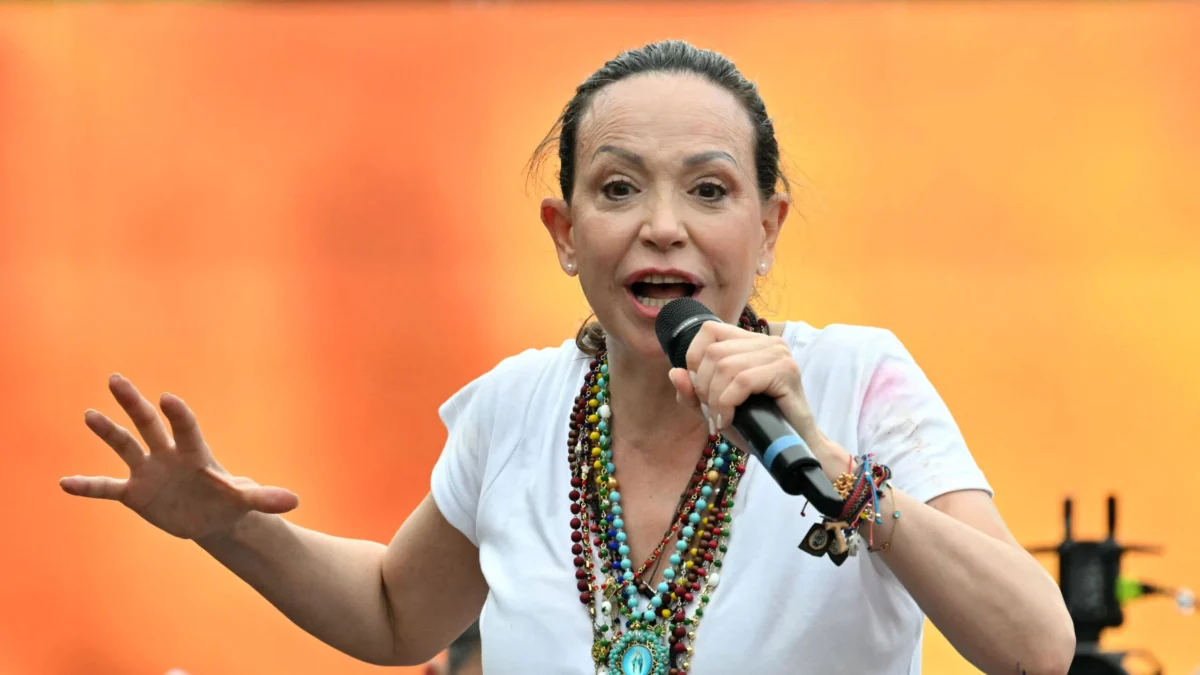
After more than ten months abroad, Nobel Peace Prize laureate María Corina Machado has returned to Venezuela, a move poised to significantly alter the country’s political landscape. Machado, a prominent opposition figure and a staunch critic of the current government, announced her return via social media on Sunday, stating, "I am here. With you." Her arrival marks a critical juncture in Venezuela’s ongoing political and economic crisis, potentially reigniting dormant opposition movements and intensifying scrutiny from the international community.
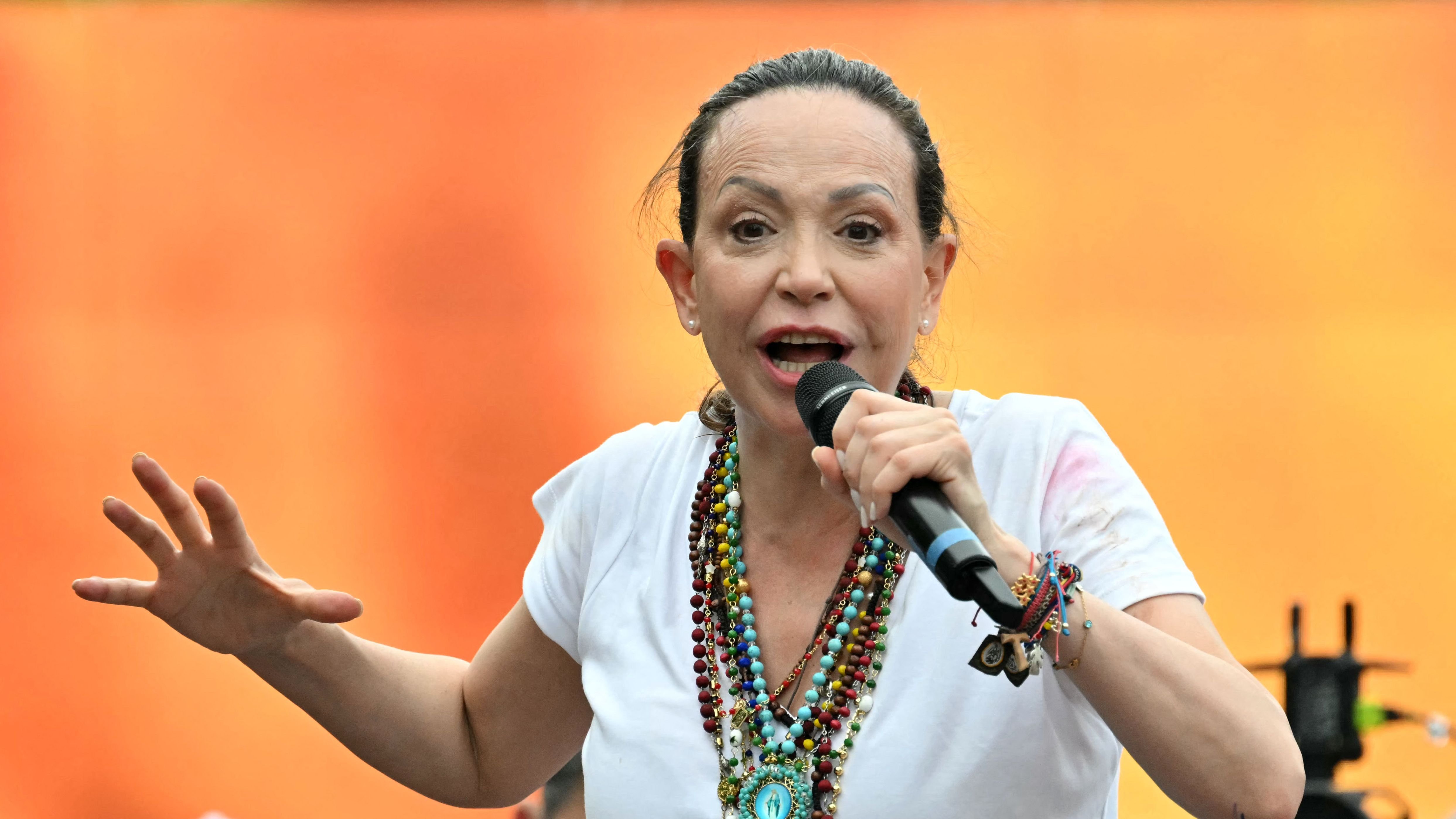
The unexpected homecoming comes after Machado spent over ten months outside of Venezuela, a period during which she accepted her Nobel Peace Prize and engaged in extensive international diplomacy. Her previous attempts to re-enter the country had been repeatedly thwarted, fueling speculation about the conditions and agreements that may have paved the way for her current return. Observers suggest that her re-entry may have hinged on tacit approval or at least non-interference from key international players, particularly the United States, whose stance on Venezuelan leadership has been a significant factor in regional politics.
A Tumultuous Political Journey

Machado’s political career has been defined by her unwavering opposition to the socialist government established by Hugo Chávez and continued by his successor, Nicolás Maduro. She has consistently advocated for democratic reforms and an end to what she and many international bodies describe as an autocratic regime. Her strong stance and popular support have made her a central figure in the Venezuelan opposition, positioning her as a formidable challenger to the established political order.
The 2024 presidential election presented a critical moment. Machado, widely seen as the leading opposition candidate, was barred from running by Venezuelan authorities. This disqualification led her to endorse Edmundo González, a consensus candidate who, according to the majority of international observers, won the election decisively. However, Nicolás Maduro refused to acknowledge the results, clinging to power amidst widespread allegations of electoral fraud and suppression. The subsequent political fallout, including disputed election outcomes and ongoing international pressure, has created a deeply polarized and unstable environment within Venezuela.
Chronology of Key Events
- Early 2023: María Corina Machado wins the opposition’s primary election, signaling her intent to contest the 2024 presidential race.
- Mid-2023: Venezuelan authorities initiate legal proceedings that ultimately disqualify Machado from holding public office, effectively barring her from the presidential election.
- Late 2023: Machado travels abroad, ostensibly to receive international recognition and engage with global leaders regarding the Venezuelan crisis. During this period, she is awarded the Nobel Peace Prize.
- Throughout 2024: Machado makes several unsuccessful attempts to return to Venezuela, encountering significant obstacles at the border and through official channels.
- October 25, 2026 (as per photo caption): Machado announces her return to Venezuela via social media. The specific date of her return in the provided context (October 25, 2026) appears to be an anomaly or a typo, as the news article itself suggests a recent return. For the purpose of this analysis, we will consider the return as a current event.
- Present: Machado’s return injects new energy into the opposition and raises questions about the future trajectory of Venezuelan politics, particularly concerning governance and potential democratic transitions.
Background and Context

Venezuela has been grappling with a severe humanitarian and economic crisis for years, characterized by hyperinflation, widespread shortages of essential goods, and mass emigration. The political system has been dominated by the ruling United Socialist Party of Venezuela (PSUV), which has faced accusations of authoritarianism and human rights abuses from domestic opposition groups and international organizations alike.
The disqualification of Machado from the presidential race was a major setback for the opposition and drew sharp criticism from the United States and the European Union, which had been pressing for free and fair elections. The US, in particular, had imposed sanctions on Venezuela, targeting its oil industry and government officials, in an effort to exert pressure for democratic reform. The ongoing political stalemate has left many Venezuelans disillusioned and struggling to cope with the deteriorating living conditions.

Machado’s return could potentially shift the dynamics of these complex relationships. Her presence within Venezuela, as opposed to her previous role as an exiled leader, grants her greater visibility and influence within the country. This could galvanize supporters, embolden other opposition factions, and present a more immediate challenge to the Maduro government’s legitimacy.
International Reactions and Implications

The international community has been closely watching Venezuela’s political developments. Machado’s return is likely to be met with a mix of cautious optimism and renewed calls for accountability and democratic progress.
- United States: The US government, which has previously supported opposition efforts to achieve a democratic transition, will likely monitor Machado’s activities closely. Her return could influence US policy regarding sanctions and diplomatic engagement. The current administration in Washington may see her presence as an opportunity to push for further democratic reforms, potentially leading to a reassessment of existing sanctions.
- European Union: The EU has consistently advocated for free and fair elections and respect for human rights in Venezuela. Machado’s return could prompt the EU to intensify its diplomatic efforts and potentially offer renewed support for democratic initiatives.
- Regional Neighbors: Countries in Latin America that have been affected by the Venezuelan exodus will also be keenly observing the situation. A potential shift towards greater political stability or instability in Venezuela could have significant ripple effects on regional migration patterns and economic cooperation.
Analysis of Broader Impact

Machado’s return to Venezuela is more than just the arrival of an opposition leader; it represents a potential turning point in the country’s protracted political struggle. Her presence within the national borders could:
- Mobilize Opposition Support: Machado’s charisma and long-standing advocacy have earned her a dedicated following. Her physical presence may re-energize her supporters and inspire greater participation in opposition activities.
- Intensify Political Pressure: With Machado back on Venezuelan soil, the government will face increased pressure to address the demands for democratic reform and potentially engage in meaningful dialogue. Her direct engagement with the populace could highlight the government’s shortcomings and fuel public dissent.
- Influence Electoral Processes: Although barred from running, Machado’s continued political activism within Venezuela could shape future electoral landscapes. Her ability to organize and rally support may influence the strategies of other opposition figures and parties.
- Impact Economic Recovery: A move towards genuine democratic reform, potentially catalyzed by Machado’s return and increased international pressure, could pave the way for economic recovery. Foreign investment and international aid are often contingent on political stability and good governance, factors that have been sorely lacking in Venezuela.
The Current Political Climate

Currently, Delcy Rodríguez, the former Vice President under Maduro, is governing Venezuela under the "strict supervision of Washington," as stated in the original report. This assertion, however, requires clarification as the exact nature of this "supervision" is not detailed. It is more likely that international actors, including the US, are observing the political situation closely and exerting influence through diplomatic channels and existing sanctions. Rodríguez’s leadership represents the continuation of the current political establishment, and Machado’s return directly challenges this status quo. The interplay between these two figures and their respective political bases will be crucial in determining the future direction of Venezuela.
Machado’s return to Venezuela is a significant development with far-reaching implications. It injects a potent element of unpredictability into an already volatile political scene. The coming weeks and months will reveal whether her homecoming marks the beginning of a genuine path toward democratic transition or another chapter in Venezuela’s ongoing struggle for stability and freedom. Her actions and the government’s response will be closely scrutinized by both domestic populations and the international community, as the future of this oil-rich nation hangs in the balance.
