

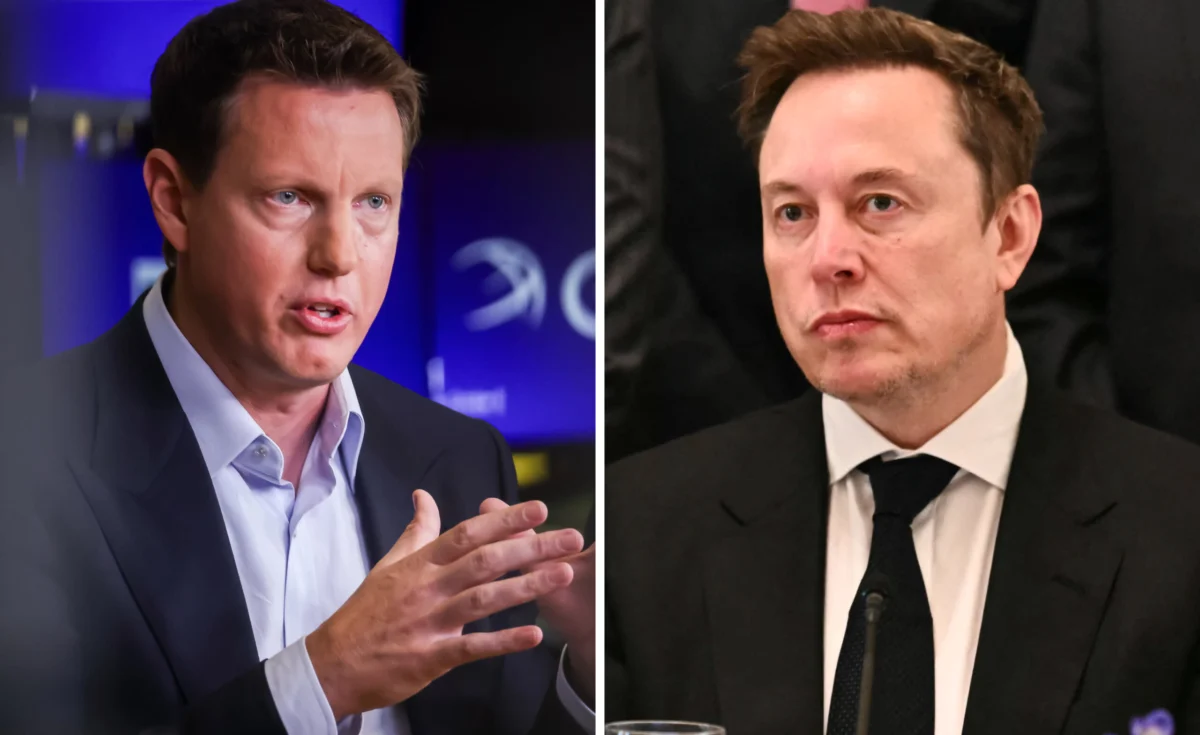
In a significant financial maneuver underscoring the high-stakes evolution of the global media landscape, SpaceX CEO Elon Musk has reportedly made an investment of approximately $1 billion in Skydance Corp. This substantial capital injection arrives at a critical juncture for the newly christened media behemoth, which emerged from the recently finalized merger between Paramount and Warner Bros. Discovery (WBD). The move signals not only a notable endorsement from one of the world’s most influential figures but also provides a crucial boost as Skydance embarks on an ambitious path of corporate integration, extensive cost-cutting, and navigating a formidable debt burden.
The Birth of a New Media Giant and Its Financial Imperatives
The formation of Skydance as a combined entity marks a pivotal moment in the ongoing consolidation within the entertainment industry. On October 6, a deal that had been the subject of intense speculation and complex negotiations culminated in Paramount closing its acquisition of Warner Bros. Discovery. The new conglomerate, formally named Skydance, is now co-helmed by David Ellison, previously Skydance Media’s CEO, and Ynon Kreiz, who served as Warner Bros. Discovery’s CEO. Their joint mandate is monumental: to seamlessly merge two of Hollywood’s most storied film studios—Paramount Pictures and Warner Bros.—integrate two highly competitive streaming platforms, Paramount+ and HBO Max, and streamline a vast array of corporate functions supporting an extensive portfolio of television networks, content libraries, and two distinct news divisions.
This strategic consolidation is not merely about scale; it is fundamentally driven by the imperative to achieve financial efficiencies and enhance competitiveness in an increasingly fragmented and costly global entertainment market. Skydance has publicly articulated an aggressive target of realizing $6 billion in cost savings over the next three years. This objective is particularly pressing given the significant financial leverage involved in the merger, which has burdened the new entity with an estimated debt of nearly $80 billion. Such a substantial debt load necessitates robust cash flow generation, diligent expense management, and, crucially, access to fresh equity capital to fortify its balance sheet and fund future growth initiatives.
Chronology of a Mega-Merger and Strategic Investment
The path to the creation of Skydance was protracted and fraught with intricate negotiations, reflecting the immense value and strategic importance of the assets involved.
- Early 2026 (Hypothetical): Rumors of a potential merger between Paramount Global and Warner Bros. Discovery begin to circulate in industry circles, driven by the increasing pressure on media companies to achieve scale in the streaming wars. Both companies had previously undergone significant corporate transformations. Paramount Global itself was the product of the 2019 recombination of CBS Corporation and Viacom Inc., while Warner Bros. Discovery was formed in 2022 through the merger of WarnerMedia and Discovery Inc.
- Mid-2026 (Hypothetical): Formal discussions between Paramount and Warner Bros. Discovery escalate. The proposed structure involves Paramount acquiring WBD, with Skydance Media, led by David Ellison, playing a central role in facilitating the deal and providing strategic direction. Ellison’s Skydance Media, known for co-financing and co-producing major studio films like "Top Gun: Maverick" and the "Mission: Impossible" franchise, had been actively seeking opportunities for expansion.
- Late September 2026 (Hypothetical): Reports confirm the advanced stages of the merger talks. The financial terms, leadership structure, and integration plans begin to take shape, signaling an imminent announcement. Key leadership appointments, including David Ellison and Ynon Kreiz as co-CEOs, are decided to steer the combined entity.
- October 2, 2026: Paramount officially announces the closure of its acquisition of Warner Bros. Discovery, simultaneously revealing the new combined entity would be named Skydance. This naming convention highlights the significant influence and strategic role of David Ellison’s Skydance Media in orchestrating and leading the new enterprise.
- October 6, 2026: The acquisition formally closes, marking the legal and operational commencement of the new Skydance Corp. The formidable task of integrating two massive corporate cultures, content libraries, and operational infrastructures officially begins.
- October 22, 2026 (Thursday): Semafor first reports Elon Musk’s roughly $1 billion equity investment in Skydance. The news quickly reverberates across financial markets and the media industry, underscoring the growing interest of prominent tech figures in traditional entertainment. CNBC corroborates the report through sources familiar with the matter.
The Rationale Behind Musk’s Strategic Capital Infusion
Elon Musk’s investment in Skydance, reportedly part of a broader equity fundraising initiative by the media company, arrives at a critical juncture. While representatives for Musk and Skydance have not yet officially commented on the investment, several factors could elucidate the rationale behind this high-profile financial commitment.
Firstly, for Skydance, the capital injection provides immediate financial flexibility and strengthens its balance sheet. With an $80 billion debt burden, every infusion of equity helps de-risk the enterprise, signaling confidence to other investors and creditors. It also provides vital capital to support the integration process, invest in new content, and manage operational costs during a period of significant transformation. The target of $6 billion in cost savings, while ambitious, will require initial investments in technology, organizational restructuring, and potential severance packages, making external capital crucial.
Secondly, for Elon Musk, the investment could represent a strategic play in the evolving media landscape. Musk has a well-documented interest in various sectors, from space exploration and electric vehicles to artificial intelligence and social media. His foray into a major Hollywood player could be viewed through several lenses:
- Content Synergy: While not immediately apparent, future potential synergies with Musk’s other ventures, particularly X (formerly Twitter), cannot be entirely discounted. A platform like X thrives on engaging content, and a stake in a major content producer could offer avenues for unique collaborations or distribution strategies.
- Financial Opportunity: Despite the challenges, the media sector, especially companies with vast intellectual property and global distribution capabilities, offers significant upside potential if consolidation and streaming strategies prove successful. Musk, known for high-risk, high-reward investments, might see Skydance as an undervalued asset with substantial growth prospects post-merger.
- Influence and Vision: Investing in a company that will shape global entertainment could align with Musk’s broader vision of influencing key industries. David Ellison, as co-CEO, shares a similar entrepreneurial spirit and ambition, potentially creating a synergistic relationship.
The Ellison-Musk Connection: A History of High-Stakes Investments
The investment also highlights a recurring pattern of financial collaboration between Elon Musk and the Ellison family. Larry Ellison, the co-founder of Oracle and father of Skydance co-CEO David Ellison, has been a significant investor in Musk’s ventures.
- Twitter/X: In 2022, Larry Ellison committed $1 billion to Musk’s audacious $44 billion acquisition of Twitter, which was subsequently rebranded as X. This investment demonstrated a strong belief in Musk’s vision and ability to transform major platforms.
- Tesla: Larry Ellison also invested in Tesla in 2018 and subsequently served on the electric vehicle giant’s board of directors, further solidifying his financial and strategic ties with Musk.
- Paramount/WBD Deal: The elder Ellison played an even more direct role in the foundational transaction for the new Skydance, personally guaranteeing over $40 billion of equity financing in Paramount’s offer to take over Warner Bros. Discovery. This colossal financial backing was instrumental in enabling the merger, underscoring the Ellison family’s deep commitment and significant financial clout in the deal.
This history suggests a level of trust and shared strategic outlook between the Ellison family and Elon Musk, transcending mere transactional investments to potentially reflect a deeper alignment on disruptive innovation and market leadership.
Supporting Data: The Scale of the New Skydance
The combined assets of Paramount and Warner Bros. Discovery create a media entity of immense scale, though also considerable complexity.
- Content Library: Skydance now controls an unparalleled library of intellectual property, encompassing iconic film franchises (e.g., Mission: Impossible, Top Gun, Harry Potter, DC Extended Universe, James Bond), renowned television series (e.g., Star Trek, Yellowstone, Friends, Game of Thrones, Succession), and extensive news and sports programming. This vast content arsenal is critical for attracting and retaining subscribers on its streaming platforms and licensing to third parties.
- Streaming Services: The integration of Paramount+ and HBO Max is a central pillar of the merger strategy. As of recent reports, Paramount+ had approximately 67.5 million global subscribers, while HBO Max (now Max) boasted around 99.3 million. Merging these two distinct subscriber bases, content offerings, and technological infrastructures presents both immense opportunities for cross-promotion and significant challenges in customer retention and platform migration. The goal is to create a unified, compelling streaming offering that can compete effectively with industry giants like Netflix and Disney+.
- Global Reach: Both Paramount and WBD possessed extensive global distribution networks, including broadcast and cable television channels, international streaming operations, and theatrical release capabilities. The combined entity’s global footprint is expected to expand, providing wider audiences for its content and opportunities for international monetization.
- Revenue Streams: Skydance will generate revenue from diverse sources: theatrical box office, television licensing, advertising on its linear networks and ad-supported streaming tiers, and direct-to-consumer subscriptions. Diversification of revenue streams is crucial in a volatile media market.
Challenges and Implications for the Future
Despite the significant scale and the fresh capital infusion, Skydance faces an arduous journey.
- Debt Management: The $80 billion debt burden remains a primary concern. The projected $6 billion in cost savings over three years, while substantial, must be realized efficiently to generate the cash flow needed for debt servicing and reinvestment. Analysts will closely monitor the company’s ability to meet these targets.
- Integration Complexity: Merging two large, established corporate cultures, technological systems, and operational processes is notoriously difficult. Issues such as staff redundancies, conflicting creative visions, and disparate IT infrastructures can lead to disruptions and impact employee morale. The success of co-CEOs David Ellison and Ynon Kreiz will largely depend on their ability to foster a cohesive new identity for Skydance.
- Streaming Wars Intensity: The competitive landscape in streaming remains fierce. While combining Paramount+ and HBO Max offers scale, the new unified platform will still contend with entrenched leaders and agile new entrants. Subscriber churn, content costs, and pricing strategies will be critical factors in achieving profitability in direct-to-consumer services.
- Industry Trends: The broader media industry is grappling with declining linear television viewership, the shift to digital advertising, and the ongoing demand for premium content. Skydance must adapt swiftly to these macroeconomic and technological shifts to maintain relevance and profitability.
Market Reaction and Outlook
Following the news of Musk’s investment, shares of Skydance were reported to be down approximately 1% on Thursday. This modest initial reaction might reflect a combination of factors: the broader market’s cautious stance on large media consolidations, the considerable challenges still facing the new entity, and potentially the "buy the rumor, sell the news" phenomenon, as some details of Skydance’s formation had been anticipated.
However, the investment from a figure as prominent as Elon Musk undeniably injects a layer of credibility and potential future strategic advantage into Skydance. It validates the vision of David Ellison and Ynon Kreiz to create a global media powerhouse capable of competing in the 21st-century entertainment ecosystem. The infusion of capital is a tangible resource, but the intangible benefit of having Musk’s backing, and the potential for his innovative thinking to intersect with traditional media, could prove to be an invaluable asset as Skydance navigates its ambitious future. The coming months will be crucial in demonstrating whether this new media giant can effectively leverage its scale, content, and newfound financial backing to overcome its challenges and redefine its place in the global entertainment hierarchy.
