

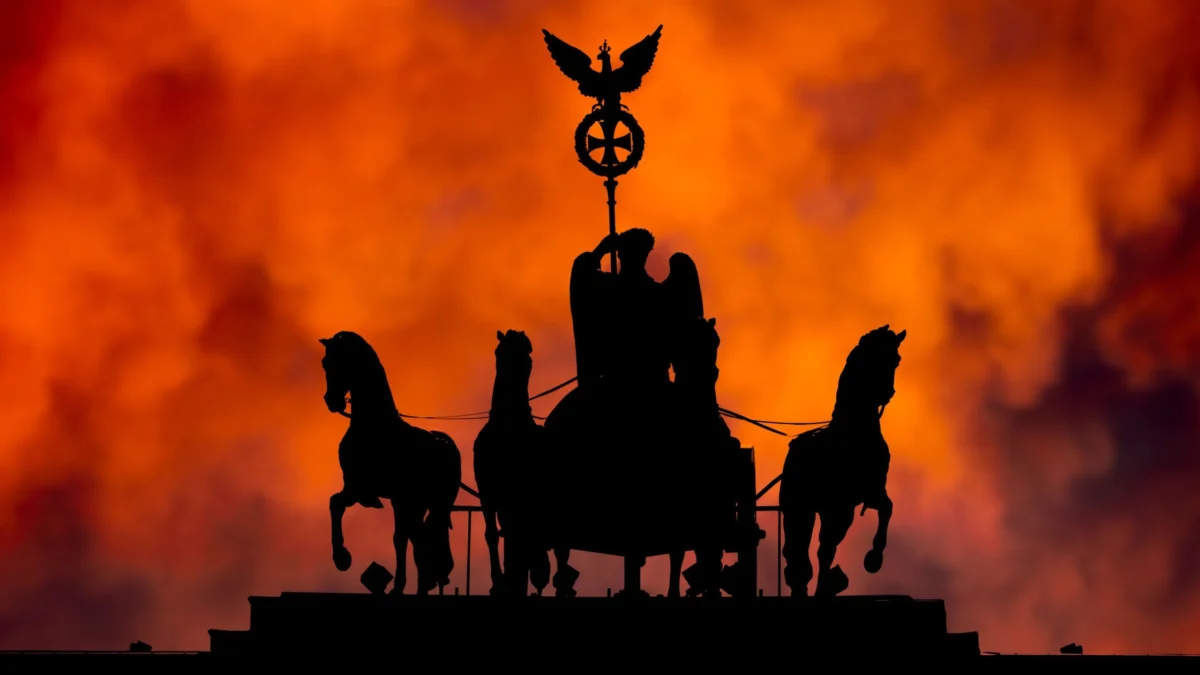
For decades, Germany has cultivated an almost tender relationship with the apocalypse. Nowhere is the world more frequently predicted to end soon than in the Federal Republic, and no one invests so much imagination in envisioning the next catastrophe. Even when celebrating what might be termed a "feast for the future," as recently highlighted by publications like Handelsblatt and Wirtschaftswoche, some already anxiously contemplate its funeral. Germany stands as a world market leader in contemplating the end of the world. This pervasive tendency towards anticipating disaster, while seemingly paradoxical in a nation known for its economic stability and technological prowess, is a complex cultural and psychological phenomenon with deep historical roots and significant societal implications.
Historical Precedents and Cultural Conditioning
The German fascination with catastrophic scenarios is not a recent development; it can be traced back through centuries of German history and literature. The concept of the "Weltuntergang" (end of the world) has been a recurring theme in German folklore, philosophy, and art. From the eschatological visions in medieval religious texts to the dramatic pronouncements of philosophers like Nietzsche, a certain strain of German thought has grappled with the fragility of existence and the potential for societal collapse.
The 20th century, with its devastating World Wars, the Holocaust, and the Cold War’s nuclear threat, undoubtedly intensified this predisposition. The experience of total war, widespread destruction, and existential threat left an indelible mark on the collective psyche. The division of Germany and the constant looming possibility of conflict on its doorstep further fueled a sense of vulnerability. This historical trauma has, perhaps unconsciously, fostered a heightened awareness of potential risks and a tendency to prepare for the worst-case scenario.
Furthermore, German literature and art have consistently explored themes of decline, decay, and societal breakdown. From the Romantic era’s exploration of the sublime and the terrifying to the existential angst of post-war literature, the darker aspects of human existence and the potential for cataclysm have been fertile ground for creative expression. This artistic and intellectual tradition has, over time, permeated popular culture, shaping a collective narrative where the end of the world is not an alien concept but a familiar, almost predictable, outcome.
The "German Angst" and Risk Aversion
This propensity for anticipating disaster is often linked to the concept of "German Angst," a term that describes a general predisposition towards worry, anxiety, and a cautious approach to risk. While this can manifest in various aspects of life, it is particularly evident in how Germans perceive and react to potential threats. There is a strong cultural emphasis on security, planning, and meticulous preparation. This translates into a robust social welfare system, stringent environmental regulations, and a generally risk-averse approach to public policy.
In the context of apocalyptic thinking, this translates into a detailed examination of potential threats and a desire to anticipate and mitigate them. While some might view this as excessive pessimism, it can also be interpreted as a form of hyper-vigilance, a deeply ingrained instinct to identify and address potential dangers before they escalate. The extensive public discourse surrounding climate change, nuclear energy, and other global risks in Germany, often characterized by a strong emphasis on potential negative outcomes, exemplifies this tendency.
Modern Manifestations: From Climate Change to Digital Collapse
In contemporary Germany, this fascination with the apocalypse manifests in a multitude of ways. Climate change, with its myriad potential catastrophic impacts, has become a central focus. Debates around energy policy, the transition to renewable sources, and the existential threat of rising sea levels and extreme weather events are frequently framed with a sense of urgency and potential doom. While scientific consensus on the severity of climate change is growing globally, the German discourse often leans towards the most extreme projections, fueling a sense of impending crisis.
The debate surrounding nuclear energy is another prime example. Despite Germany’s decision to phase out nuclear power following the Fukushima disaster, the discussion about energy security and the potential for accidents continues to be framed with apocalyptic undertones. Similarly, concerns about digital security, cyber warfare, and the potential for a complete breakdown of digital infrastructure also find fertile ground in the German psyche, contributing to a constant undercurrent of potential collapse.
Even in moments of economic prosperity, as alluded to in the original observation, a sense of unease persists. While publications like Handelsblatt and Wirtschaftswoche might celebrate economic achievements, the underlying cultural narrative often includes a precautionary note, an anticipation of what could go wrong. This can be seen in the meticulous planning and risk assessment that characterize German industrial practices and policy-making. The "Fest für die Zukunft" (Feast for the Future) is, for some, merely a temporary reprieve before the next inevitable crisis.
The "World Market Leader in the End of the World" – A Sociological Perspective
The assertion that Germany is a "world market leader in the end of the world" is a provocative, yet insightful, observation that captures a unique cultural trait. It suggests that the German propensity for contemplating and discussing apocalyptic scenarios has reached a level of sophistication and pervasiveness unmatched elsewhere. This is not necessarily about a greater likelihood of actual catastrophe but rather a more developed cultural discourse around it.
This discourse is fueled by several factors:
- Academic and Intellectual Tradition: German universities and intellectual circles have a long history of engaging with eschatological and existential themes. This intellectual heritage filters into broader societal discussions.
- Media Landscape: German media, while generally objective, often dedicates significant space and attention to potential risks and worst-case scenarios, particularly concerning environmental and technological threats. This can create a feedback loop, reinforcing the public’s focus on these issues.
- Political Culture: German political discourse, especially concerning environmental and security policies, often emphasizes potential risks and the need for stringent preventative measures. This can contribute to a perception of constant threat.
- Public Engagement: German society demonstrates a high level of public engagement with issues of sustainability, climate change, and societal resilience. This engagement, while positive in many respects, can also amplify concerns about potential negative outcomes.
Data and Supporting Evidence
While quantifying "apocalyptic thinking" is challenging, several indicators can support this observation:
- Public Opinion Polls: Surveys consistently show high levels of concern among Germans regarding climate change, nuclear power safety, and other existential risks. For instance, numerous studies by organizations like the Allensbach Institute or the German Federal Institute for Population Research (BiB) have highlighted a pronounced public awareness and anxiety regarding future societal challenges. While specific data on "apocalypse anticipation" is scarce, high concern levels about future threats indirectly support the premise.
- Media Coverage: Content analysis of German media over the past few decades would likely reveal a disproportionately high volume of articles and discussions dedicated to potential global crises, natural disasters, and societal collapse compared to other Western nations. Research on media framing of environmental issues, for example, often points to a more alarmist or cautionary tone in German reporting.
- Book Sales and Cultural Production: The success of literature, films, and documentaries that explore dystopian futures and apocalyptic scenarios in Germany could also serve as an indicator of public interest and engagement with these themes.
- Policy Initiatives: The proactive and often precautionary approach taken by the German government in areas like renewable energy transition, disaster preparedness, and environmental protection, while laudable, also reflects a societal inclination to address potential threats with significant foresight and a focus on mitigating even low-probability, high-impact events.
The Psychological and Societal Implications
This pervasive tendency towards apocalyptic thinking has several psychological and societal implications:
- Heightened Anxiety and Stress: For individuals, constant exposure to worst-case scenarios can contribute to increased anxiety, stress, and a sense of helplessness. This can impact mental well-being and overall quality of life.
- Risk Aversion and Stagnation: While risk aversion can lead to careful planning and safety, an excessive focus on potential failures can also stifle innovation and lead to societal stagnation. A constant fear of the "next catastrophe" might deter bold initiatives and risk-taking necessary for progress.
- Political Polarization: Debates around existential risks can become highly polarized, with different factions advocating for drastically different approaches, sometimes leading to political deadlock and an inability to find effective solutions.
- Resilience and Preparedness: On the positive side, this deep-seated concern can also foster a high level of societal resilience and preparedness. Germany’s robust infrastructure for disaster management, its commitment to renewable energy, and its comprehensive social safety nets can be seen as direct consequences of this anticipatory mindset. The meticulous planning for potential crises can, paradoxically, make the nation more capable of weathering actual challenges.
Future Outlook
The German relationship with the apocalypse is likely to remain a defining characteristic of its cultural and societal landscape. As global challenges such as climate change, geopolitical instability, and technological disruption intensify, the German propensity to anticipate and discuss worst-case scenarios will continue to shape public discourse and policy responses.
The challenge for Germany, and indeed for societies globally, lies in finding a balance. It is crucial to acknowledge and address genuine risks with seriousness and foresight, as the German approach often does. However, it is equally important to avoid succumbing to paralyzing anxiety or a narrative of inevitable doom. Fostering a culture that combines robust risk assessment with a proactive and optimistic vision for the future, one that celebrates achievements while remaining vigilant, will be key to navigating the complexities of the 21st century. The "feast for the future" may indeed be a fragile concept, but a society that can prepare for its potential demise with such thoroughness may also be the one best equipped to ensure its survival and eventual prosperity. The German "Weltuntergang" discourse, therefore, is not merely an expression of pessimism, but a complex cultural phenomenon that drives preparedness, fuels debate, and ultimately, shapes the nation’s approach to safeguarding its future.
