

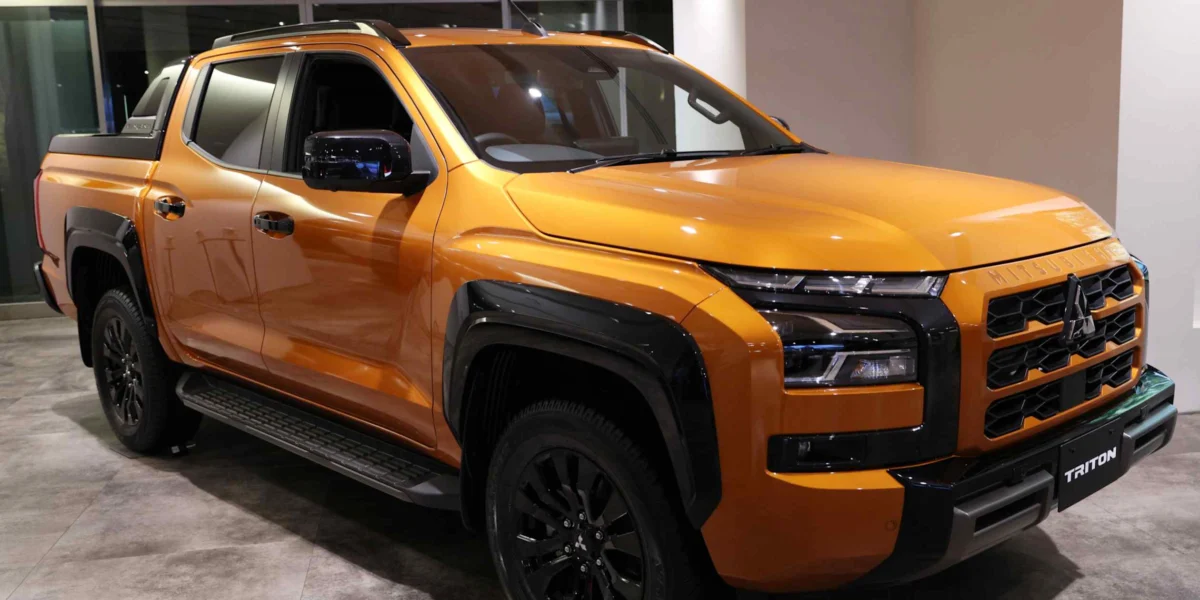
TOKYO – Honda Motor and Mitsubishi Motors announced on Thursday a significant expansion of their burgeoning partnership, revealing an agreement for Honda to begin selling Mitsubishi-made pickup trucks, specifically the Triton model, starting in 2028. This strategic move marks a pivotal moment in the evolving landscape of the Japanese automotive industry, signaling a growing trend among major players to consolidate resources and present a more unified front against dominant forces like Toyota Motor’s extensive network. The collaboration, primarily focused on the crucial Southeast Asian markets, is poised to reshape competitive dynamics in a region where pickup trucks hold substantial commercial and personal utility.
The Triton Deal: A Strategic Alliance Takes Shape
The agreement, disclosed in a joint statement from both manufacturers, details a framework wherein Honda will rebadge and market Mitsubishi’s robust Triton pickup truck. This will allow Honda to swiftly re-enter a segment of the market from which it has largely withdrawn in many key territories, leveraging Mitsubishi’s established expertise and production capabilities. The Triton, known for its durability and off-road prowess, has a strong reputation in markets such as Thailand, Indonesia, and the Philippines, all of which are integral to the growth strategies of both Japanese automakers.
This is not Honda’s first foray into pickup trucks; the company previously produced the Ridgeline, a unibody pickup, but its market reception and strategic focus have shifted over time. The decision to partner with Mitsubishi for a body-on-frame pickup underscores a pragmatic approach to quickly gain market share and cater to consumer preferences for traditional, heavy-duty utility vehicles in these specific regions.
The genesis of this expanded alliance can be traced back to earlier discussions and a shared vision for navigating the increasingly complex and capital-intensive automotive industry. The pressure to invest heavily in electrification, autonomous driving technology, and evolving regulatory frameworks necessitates a collaborative spirit, especially for companies that, while significant, do not possess the sheer scale of global giants like Toyota or the Volkswagen Group.
A Timeline of Collaboration and Shifting Industry Dynamics
The current agreement builds upon a foundation of existing, albeit more limited, collaborations between Honda and Mitsubishi. While specifics of earlier joint ventures are often kept private, the automotive industry has witnessed a steady increase in inter-manufacturer partnerships aimed at cost-sharing and market access.
- Early 2020s: Initial discussions likely begin between Honda and Mitsubishi leadership regarding potential areas of synergy, driven by the intensifying competition and the rising costs of developing new vehicle platforms and powertrains.
- Mid-2020s: The shared challenges of the automotive market – including supply chain disruptions, the transition to electric vehicles (EVs), and increasingly stringent emissions standards – accelerate the need for concrete collaborations. Both companies recognize the strategic advantage of a unified approach in specific market segments and geographical areas.
- Late 2025 – Early 2026: The concept of Honda selling a Mitsubishi-badged pickup truck gains traction. Feasibility studies and market analyses are conducted, focusing on the demand for pickups in Southeast Asia and the Triton’s suitability for rebadging.
- 2027: Formal agreement is reached and finalized. Discussions would have covered production, supply chain logistics, branding, marketing strategies, and sales targets.
- 2028: Honda begins selling the Mitsubishi Triton under its own brand, marking the public debut of this expanded collaboration.
This timeline reflects a deliberate and strategic approach, moving from exploratory talks to a fully operational partnership. The two companies are acutely aware of the long lead times required for vehicle development and market introduction, hence the 2028 launch date.
Supporting Data: The Significance of Southeast Asian Markets
Southeast Asia represents a critical battleground for automotive manufacturers. The region’s burgeoning economies, growing middle class, and diverse transportation needs create immense market potential. Pickup trucks, in particular, are highly popular in many Southeast Asian countries due to their versatility for both commercial purposes and family use.
- Market Size: The Southeast Asian automotive market is projected to continue its steady growth, with vehicle sales expected to surpass 5 million units annually in the coming years, according to various industry forecasts.
- Pickup Truck Dominance: In countries like Thailand, Indonesia, and the Philippines, pickup trucks often constitute a significant portion of new vehicle registrations, sometimes exceeding 30-40% of the total passenger vehicle market. These vehicles are essential for agriculture, small businesses, and transportation of goods.
- Competitive Landscape: Toyota currently holds a dominant position in the pickup truck segment across most of Southeast Asia with its Hilux model. Other key players include Isuzu (D-Max), Ford (Ranger), and Mitsubishi itself (Triton). Honda’s re-entry, even through a rebadging agreement, aims to chip away at this established dominance.
- Economic Drivers: Factors such as infrastructure development, increasing disposable incomes, and government policies supporting commercial vehicle use contribute to the sustained demand for pickup trucks in the region.
By partnering, Honda and Mitsubishi aim to consolidate their market share and present a stronger collective offering against Toyota’s established leadership. This strategy allows Honda to quickly gain access to a lucrative segment without the immense cost and time investment of developing its own pickup truck platform from scratch. For Mitsubishi, it provides an additional sales channel and increased production volume for its Triton model, thereby improving economies of scale.
Official Statements and Inferred Reactions
While the joint announcement from Honda and Mitsubishi Motors was clear and concise, industry observers and analysts are dissecting the implications.
In their official statement, a spokesperson for Honda Motor stated, "This collaboration with Mitsubishi Motors represents a strategic step to enhance our product offerings and market presence in key growth regions. By leveraging Mitsubishi’s expertise in pickup truck development and manufacturing, we can efficiently deliver a competitive and reliable product to our customers in Southeast Asia, further strengthening our commitment to the region."
Similarly, a representative from Mitsubishi Motors commented, "We are pleased to deepen our alliance with Honda Motor. The Triton is a testament to our engineering prowess, and sharing this platform with a respected partner like Honda will undoubtedly expand its reach and impact. This partnership aligns with our long-term vision of sustainable growth and cross-manufacturer cooperation."
Inferred Reactions:
- Toyota Motor: While Toyota has not issued a direct statement regarding this specific partnership, its market dominance is precisely what incentivizes such alliances. Toyota is likely to view this as a concerted effort by its competitors to challenge its established position, prompting it to further reinforce its own product development and market strategies in Southeast Asia.
- Other Automakers (e.g., Isuzu, Ford): Competitors in the pickup segment will likely monitor the market reception of the rebadged Triton closely. The success of this partnership could inspire similar collaborations or accelerate their own product development cycles to maintain their competitive edge.
- Suppliers and Dealers: Suppliers of components for the Triton will benefit from increased production volume. Dealership networks for both Honda and Mitsubishi will need to integrate the new model into their sales and service operations, requiring training and logistical adjustments.
- Consumers: For consumers in Southeast Asia, this partnership could translate into more choices and potentially more competitive pricing within the pickup truck segment. The availability of the Triton under the Honda brand may appeal to existing Honda loyalists who desire a robust pickup.
Broader Impact and Implications: A New Era of Japanese Collaboration
The Honda-Mitsubishi alliance is a clear indicator of a broader shift occurring within the Japanese automotive industry. Faced with immense global challenges, including the transition to electric vehicles, the race for autonomous driving, and volatile geopolitical landscapes, traditional rivalries are giving way to pragmatic collaborations.
Key Implications:
- Cost Optimization: By sharing platforms and production, automakers can significantly reduce development costs, research and development expenses, and manufacturing overheads. This is particularly crucial as the industry navigates the expensive transition to EV powertrains and battery technology.
- Market Access and Speed: For Honda, rebadging the Triton allows for rapid market entry into the pickup segment without the years of R&D and capital investment typically required to develop a new vehicle platform. This agility is vital in dynamic markets.
- Strengthening of Japanese Automotive Bloc: While not a formal merger, these alliances are creating a more cohesive Japanese automotive ecosystem. This collective strength could allow Japanese manufacturers to better compete on the global stage against larger, more diversified international conglomerates.
- Focus on Core Competencies: By outsourcing or collaborating on certain vehicle segments, companies can focus their resources on areas where they possess unique strengths or strategic advantages. Honda can continue to excel in areas like fuel-efficient gasoline engines, hybrid technology, and potentially its future EV development, while leveraging Mitsubishi’s pickup truck expertise.
- Potential for Further Alliances: This partnership could pave the way for similar collaborations between other Japanese automakers, or even involve cross-industry partnerships, to tackle shared challenges and opportunities. The industry is increasingly recognizing that no single company can master every aspect of automotive technology and market demand alone.
The partnership between Honda and Mitsubishi Motors is more than just a deal to sell pickup trucks; it is a microcosm of the evolving global automotive industry, where collaboration, strategic alliances, and a pragmatic approach to market dynamics are becoming essential for survival and success. As the 2028 launch date approaches, the industry will be watching closely to see how this alliance reshapes the competitive landscape in Southeast Asia and potentially sets a precedent for future collaborations among Japanese automakers.
