

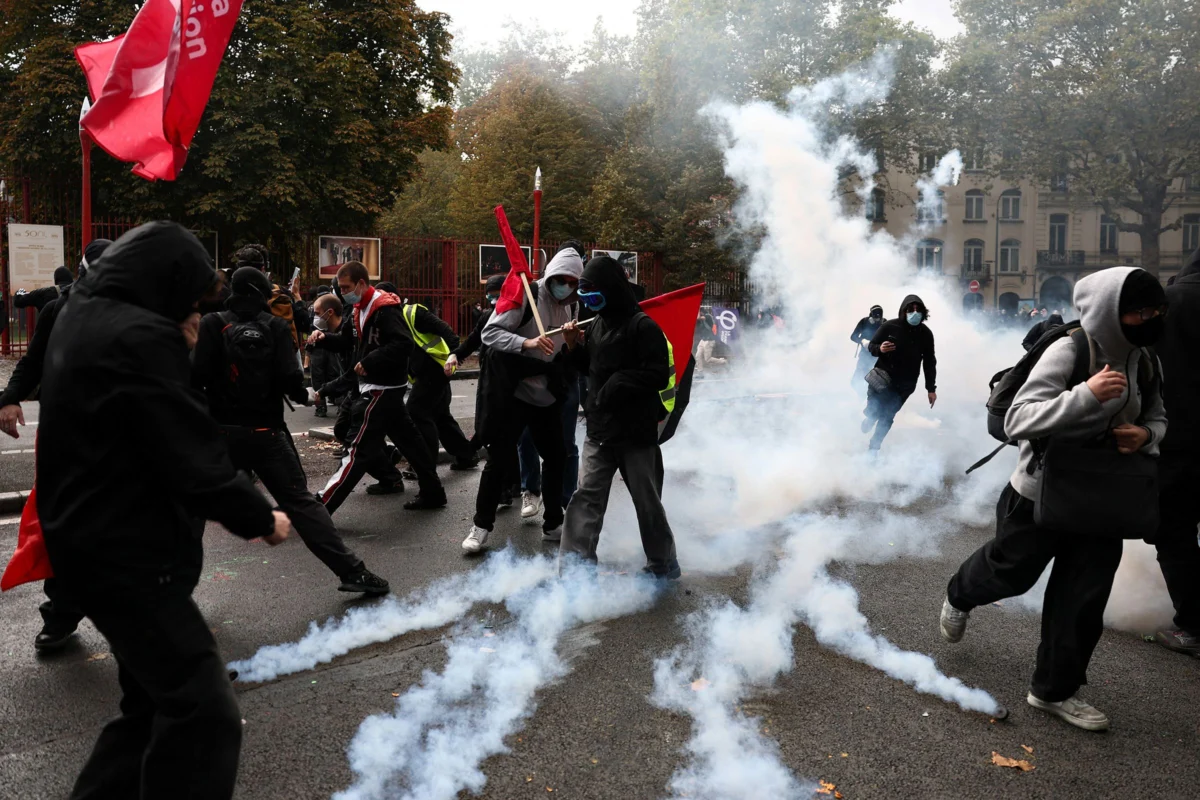
The French government has taken swift and decisive action, summoning major online platforms including TikTok and eBay, among others, in an urgent effort to contain widespread rioting and looting and to prevent the illicit resale of stolen goods. The government’s initiative underscores a growing concern over the role of digital spaces in exacerbating and facilitating criminal activity during times of civil unrest.
Government Convenes Emergency Summit with Tech Giants
In a high-stakes meeting convened on Tuesday, Anne Le Hénanff, France’s Minister of Digital Affairs, brought together representatives from a number of prominent social media and e-commerce platforms. The emergency summit was a direct response to accusations that these platforms had inadvertently, or through insufficient moderation, amplified the unrest, which has been described as the most severe civil disturbance to grip France in years. The core objective of the meeting was to impress upon the platforms their responsibility to rigorously moderate content, including live video streams, to prevent the dissemination of violent material or any content that could incite breaches of curfew orders. This directive aligns with broader governmental efforts to regain control of public spaces and restore order following several nights of intense demonstrations.
The urgency of the situation was palpable, as authorities sought to sever any channels that could be used to coordinate further disruptive actions or to profit from the chaos. The digital landscape, while a powerful tool for communication and community building, has also proven to be a fertile ground for the rapid spread of information, misinformation, and incitement, particularly during moments of heightened social tension.
The Role of Social Media in Fueling Unrest
An examination of content on platforms like TikTok has revealed concerning trends. A review by WIRED identified search terms such as "blocus," a French word meaning blockade, which returned videos that appeared to be manipulated or artificially generated. Among these were viral images of a protester dressed as a character from "Pink Panther," suggesting a deliberate effort to create and disseminate potentially misleading or provocative content. Furthermore, the search term was reportedly used to promote an upcoming phase of protests, dubbed "Act II," scheduled for October 24th.
In response to these findings, TikTok implemented an "evolving situation" tag on the relevant search term. This label cautioned users that "This situation is developing rapidly. Information available now may be unverified, incomplete, inaccurate, or subject to change. Take care when viewing this content, and report anything that may violate our Community Guidelines." While this action demonstrates a degree of responsiveness, critics argue that such measures are often reactive rather than proactive and do not fully address the underlying issues of content moderation and the potential for algorithmic amplification of harmful material.
Crackdown on the Resale of Looted Goods
Parallel to the discussions on content moderation, a separate, but equally critical, meeting took place on Monday with major online reselling platforms. Serge Papin, the Minister for Small and Medium-sized Enterprises, confirmed via X (formerly Twitter) that an "agreement was signed" to aggressively combat the resale of goods stolen during the riots. French newspaper Le Monde reported that participants in this crucial meeting included Vinted, eBay, Amazon, LeBonCoin, Meta, and TikTok.
The agreement mandates that these platforms will actively forward relevant reports to investigators, diligently monitor advertisements for items specifically identified as stolen during the protests, and regularly submit reports to the government detailing their actions. Minister Papin indicated that the first of these reports would be expected within 48 hours of the agreement, highlighting the immediate nature of the government’s expectations.

This crackdown on illicit online marketplaces is vital. French penal law is stringent regarding the possession and transfer of stolen goods, with potential penalties including a five-year prison sentence and a €375,000 fine for anyone found concealing, possessing, or transferring an item known to be obtained through criminal activity. The authorities have also issued warnings, including one in the Netherlands, noting the increased likelihood of stolen goods appearing on e-commerce sites following such widespread civil disturbances.
Background of the Unrest
The recent wave of rioting and looting was sparked by peaceful demonstrations against the rising cost of living and the strain on public services, including schools. However, these protests rapidly devolved into widespread violence, resulting in the ransacking of over 1,500 shops and businesses across the country over the weekend. The scale of the disruption led Interior Minister Laurent Nuñez to admit that police had "lost control" in certain urban areas. Law enforcement responded with a forceful deployment of tear gas, water cannons, and batons. Authorities have reported the arrest of more than 2,400 individuals in connection with the disturbances.
The underlying causes of the unrest are multifaceted, reflecting deep-seated societal frustrations related to economic inequality, social justice, and the perceived failures of public institutions to address these issues effectively. The rapid escalation from peaceful protest to widespread vandalism and looting highlights the volatility of the current social climate and the complex interplay between legitimate grievances and opportunistic criminal behavior.
Broader Impact and Industry Responses
The French Alliance of Marketplaces (AFPAM), a non-profit organization representing a significant portion of French online retailers, including Back Market, eBay, Etsy, LeBonCoin, ManoMano, and Vinted, issued a press release affirming its members’ commitment to combating the online resale of plundered goods. The alliance stated that its members are employing a multi-pronged approach, relying on user reports, human oversight, and technological tools to identify and remove fraudulent advertisements.
According to a statement from eBay, when a fake advertisement is identified, it is promptly removed, and "measures are taken against the accounts involved," which can include permanent suspension. The company noted that the speed of action depends on the nature of the report and the necessary verification process. While several platforms, including Vinted, Amazon, LeBonCoin, Meta, and TikTok, did not immediately respond to WIRED’s request for comment, the government’s firm stance and the signed agreement indicate a clear expectation of immediate and sustained cooperation.
The implications of these events extend beyond immediate law enforcement and digital moderation. The government’s actions signal a more assertive approach to regulating the digital public square, particularly concerning its role during periods of social upheaval. This could lead to more stringent regulations for online platforms in the future, potentially impacting content moderation policies, data sharing with authorities, and platform accountability for user-generated content.
The incident also raises critical questions about the balance between freedom of expression and the need for public order, and how digital platforms can effectively navigate this complex terrain. The government’s engagement with these platforms is a recognition of their significant influence and a demand for greater responsibility in safeguarding the public interest. The coming weeks and months will likely reveal the long-term consequences of this government-led initiative and the extent to which online platforms can adapt to these new demands for accountability in the face of civil unrest. The effectiveness of the measures taken will be closely watched, both within France and internationally, as other nations grapple with similar challenges posed by the intersection of digital technology and social instability.
