

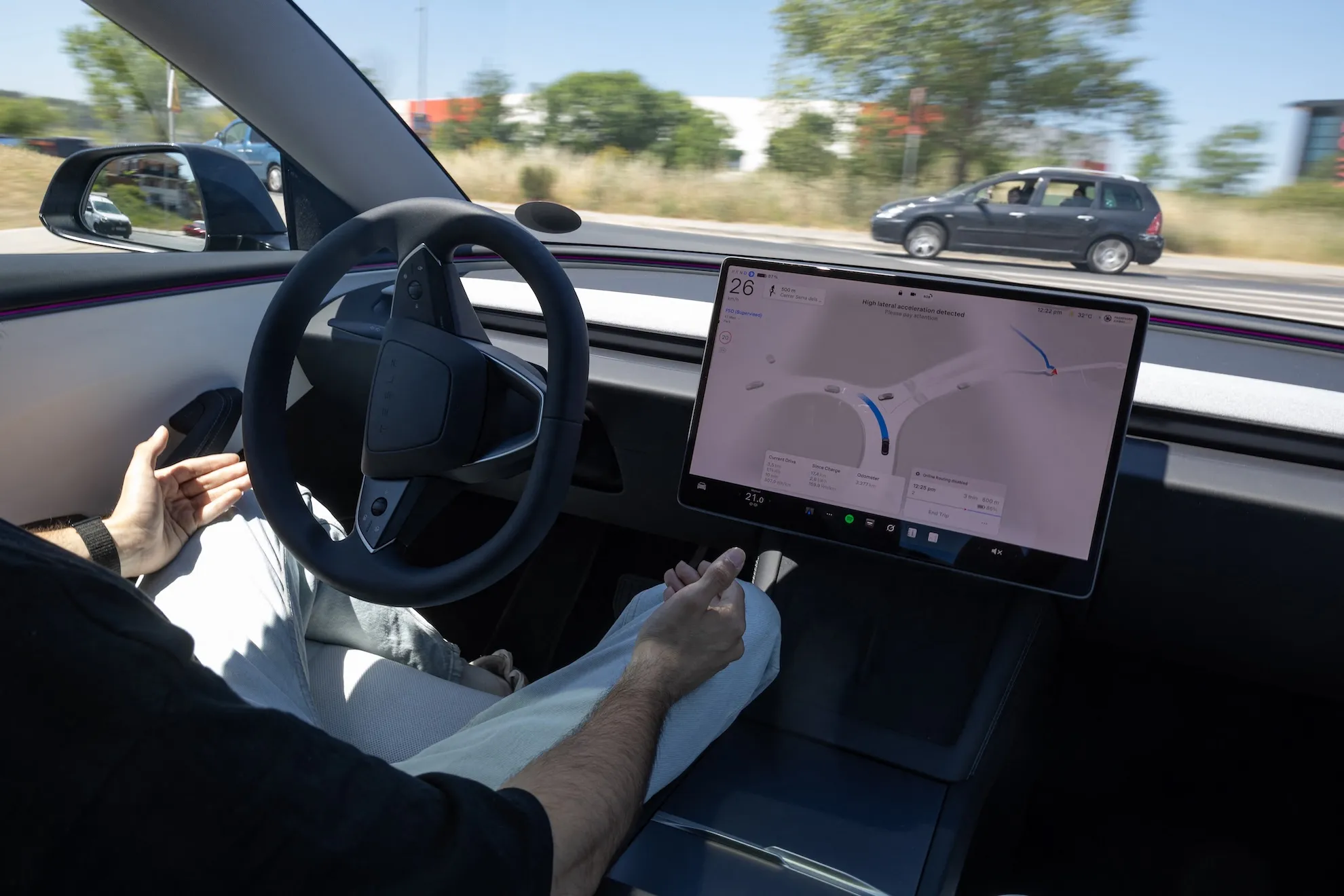
Tesla has officially rebranded its advanced driver assistance system (ADAS) in Europe, changing its designation from "Full Self-Driving (Supervised)" to "Tesla Assisted Driving." This significant move comes directly after considerable pushback from Germany’s Federal Ministry for Digital and Transport (BMDV), marking a pivotal moment in the ongoing regulatory battle over autonomous vehicle terminology and capabilities across the continent. The change, while seemingly semantic, represents a substantial capitulation for the electric vehicle manufacturer, which has staunchly defended the "Full Self-Driving" moniker for years despite the system’s inherent limitations requiring constant human supervision. This strategic pivot, however, is expected to pave the way for broader regulatory acceptance and potentially unlock a lucrative new revenue stream for Tesla in the highly competitive European automotive market.
The Genesis of Regulatory Scrutiny and the German Intervention
The controversy surrounding Tesla’s naming conventions for its driver assistance features is not new, but it reached a critical juncture in Europe, spearheaded by German authorities. For years, consumer safety advocates, regulators, and even competitors have criticized the "Full Self-Driving" (FSD) label, arguing that it creates a misleading impression of the system’s capabilities, potentially leading drivers to overestimate its autonomy and disengage from the driving task. The system, even in its most advanced iterations, remains a Level 2 (L2) ADAS, meaning the human driver is still fully responsible for monitoring the road and intervening when necessary.
Germany’s transport minister, Steffen Bilger, emerged as a prominent voice in this debate earlier this month. Bilger publicly stated that calling the software "Full Self-Driving" was inherently misleading, as it demonstrably does not perform the entire task of driving independently. This stance aligns with the growing consensus among European regulators who prioritize clarity and safety in the marketing of advanced automotive technologies. The German ministry’s intervention was not merely rhetorical; it involved direct engagement with Tesla. According to an official release from the ministry, Bilger held discussions with Tesla representatives last month, during which the company proposed the name change. This direct negotiation underscores the considerable influence of German regulatory bodies within the European Union, often setting precedents for wider continental adoption of standards.
Following Tesla’s agreement to the name change, Minister Bilger confirmed his intention to advocate for the approval of "Tesla Assisted Driving" across Europe. This advocacy is particularly crucial ahead of a potential EU-wide vote on such systems later this year, suggesting that Germany’s blessing could significantly de-risk Tesla’s path to broader market penetration. Tesla CEO Elon Musk publicly acknowledged Bilger’s role, expressing gratitude on X (formerly Twitter) this week, a clear indicator of the importance Tesla places on securing European regulatory approval.
A Protracted Battle for European Acceptance
Elon Musk has long championed the widespread adoption of FSD in Europe, viewing it as a critical component of Tesla’s global strategy and a potential game-changer for road safety. In June 2025, Musk famously asserted on X, "FSD in Europe will save lives of people in the car, as well as vulnerable road users like pedestrians, cyclists, and pets. Please let your government know that you want approval." This statement encapsulated Tesla’s dual argument for FSD: a technological marvel capable of enhancing safety and a lucrative product poised for market expansion.
However, Musk has also frequently expressed frustration with the perceived bureaucratic hurdles in Europe. In March of this year, he publicly criticized the "extreme regulatory burden" of the EU, claiming it "stifles innovation in Europe" and optimistically adding that Europe "will love Tesla self-driving!" These comments highlight the tension between Tesla’s rapid innovation cycles and Europe’s more cautious, safety-first regulatory approach, which often involves extensive testing, standardization, and public consultation.
Despite these frustrations, Tesla’s campaign for European approval has seen intermittent successes and significant controversies. Just a few weeks after Musk’s critique of EU regulations, the Netherlands became the first European country to grant approval for FSD (Supervised). This initial breakthrough was met with mixed reactions, particularly in light of a subsequent Reuters investigation published on Wednesday. The report alleged that Tesla’s campaign for European approval, including the Dutch endorsement, was "built on faulty company safety research" and "flawed studies." The investigation further claimed that the Dutch vehicle safety regulator, RDW, faced "fierce pressure" from Tesla and its extensive network of online supporters. Such revelations add a layer of complexity to the narrative, suggesting that regulatory decisions may not always be solely based on objective technical assessments but can also be influenced by intense lobbying and public relations efforts.
The Evolving Capabilities of Tesla’s Driver Assistance Systems
Over the years, Tesla’s driver assistance software has indeed demonstrated considerable advancements. What initially began as a relatively basic combination of adaptive cruise control and lane centering – features now standard in many mainstream vehicles – has evolved into a sophisticated driver assistance system. Many Tesla owners report using the system for a significant portion, sometimes nearly 100%, of their daily driving routines. "Full Self-Driving" (or now, "Tesla Assisted Driving") can manage complex maneuvers, including navigating urban streets with traffic lights and stop signs, executing turns, changing lanes on highways, and assisting with parking.
Tesla’s confidence in the technology has grown to the extent that it recently introduced a feature allowing the system to intervene in a human driver’s control of the vehicle if it detects an imminent collision, even when the ADAS is not actively engaged. This "invisible hand" intervention capability underscores the increasing sophistication and proactive safety measures being integrated into Tesla’s software architecture. Such features, while enhancing safety, also blur the lines between passive assistance and active vehicle control, raising new questions for regulators regarding liability and driver responsibility.
A History of Nomenclature Controversies and Safety Concerns
The rebranding of "Full Self-Driving (Supervised)" in Europe is not an isolated incident but rather the latest chapter in Tesla’s long-standing struggle with regulatory bodies and public perception regarding its ADAS naming conventions. The company’s previous system, "Autopilot," which was less capable than FSD, has been associated with dozens of fatalities and numerous serious accidents globally. These incidents have often triggered federal investigations, notably by the National Highway Traffic Safety Administration (NHTSA) in the United States, into the efficacy and safety implications of Tesla’s systems.
Earlier this year, Tesla made the significant decision to discontinue "Autopilot" altogether. This move came after a judge ruled that Tesla had engaged in deceptive marketing practices concerning the system’s capabilities. The ruling and subsequent discontinuation highlighted the severe consequences of misrepresenting ADAS functionality and the legal and reputational risks associated with misleading consumers. The shift away from "Autopilot" and now the rebranding of FSD in Europe signal a broader trend of Tesla aligning its marketing with regulatory realities, albeit often under duress.
The core issue remains the gap between the aspirational names chosen by Tesla and the actual operational design domain (ODD) and capabilities of its systems. While Tesla’s systems are undoubtedly advanced, they still fall short of Level 3 (conditional automation), where the vehicle can handle most driving tasks but still requires the driver to be ready to intervene, let alone Level 4 (high automation) or Level 5 (full automation), where human intervention is no longer expected or required. The term "Full Self-Driving" implies Level 4 or 5 capabilities, leading to the regulatory and public outcry.
Broader Implications for Tesla and the European ADAS Market
The renaming of "Full Self-Driving (Supervised)" to "Tesla Assisted Driving" in Europe carries several significant implications:
- Regulatory Compliance and Trust: This move demonstrates Tesla’s willingness to comply with European regulatory demands, which could foster greater trust among national transport authorities and the European Commission. This compliance is essential for achieving the company’s ambitious goals for wider market penetration and future revenue growth from software subscriptions.
- Consumer Clarity and Safety: The new name, "Tesla Assisted Driving," is arguably more accurate and less prone to misinterpretation. This could help manage consumer expectations, reduce the likelihood of misuse, and potentially improve overall road safety by ensuring drivers remain actively engaged. Consumer advocacy groups, such as the European Transport Safety Council (ETSC), have consistently called for clearer naming conventions to prevent over-reliance on ADAS.
- Market Expansion and Revenue Potential: With Germany’s endorsement and potential EU-wide approval, Tesla stands to significantly expand the availability and adoption of its advanced driver assistance features across Europe. This could unlock a substantial new recurring revenue stream through FSD software subscriptions, which are often priced at a premium. Europe is a massive automotive market, and gaining broad regulatory approval is crucial for Tesla’s long-term financial health and growth.
- Precedent for Other OEMs: Tesla’s capitulation could set a precedent for other automotive manufacturers developing and marketing advanced driver assistance systems in Europe. Regulators may now exert similar pressure on other companies whose ADAS names might imply capabilities beyond their actual operational design. This could lead to a broader standardization of ADAS terminology across the industry, beneficial for consumer understanding and safety.
- Competitive Landscape: Other major European and global automakers (e.g., Mercedes-Benz with DRIVE PILOT, BMW with Highway Assistant) are also investing heavily in ADAS and automated driving technologies. Many of these companies have been more cautious with their branding, often using terms like "Driving Assistant Plus" or "Traffic Jam Assist." Tesla’s name change might level the playing field in terms of perceived capabilities based on nomenclature, shifting the focus more squarely on actual performance and safety.
- Public Perception and Brand Image: While the name change might be seen by some as a retreat, it could ultimately bolster Tesla’s brand image in Europe as a responsible innovator willing to adapt to local regulatory and safety standards. This might counteract some of the negative publicity associated with past controversies and investigations.
The Road Ahead: An EU-Wide Vote and Continued Scrutiny
The immediate future hinges on the anticipated EU-wide vote. Minister Bilger’s advocacy will be critical in swaying other member states. The European Union operates under a complex framework of regulations, and while national approvals can facilitate market entry, a harmonized EU-wide standard is often sought for seamless operation across borders.
Furthermore, the Reuters report highlighting "faulty company safety research" will undoubtedly keep Tesla’s systems under intense scrutiny. Regulators, consumer watchdogs, and the public will continue to demand transparency, robust safety data, and clear communication regarding the limitations of even the most advanced driver assistance features. The journey toward fully autonomous vehicles is long and complex, and every step, including a seemingly simple name change, carries significant weight in shaping public trust, regulatory frameworks, and the future of mobility. Tesla’s decision to embrace "Assisted Driving" over "Full Self-Driving" in Europe underscores the power of regulatory oversight and marks a pragmatic adjustment in its quest for continental dominance.
