

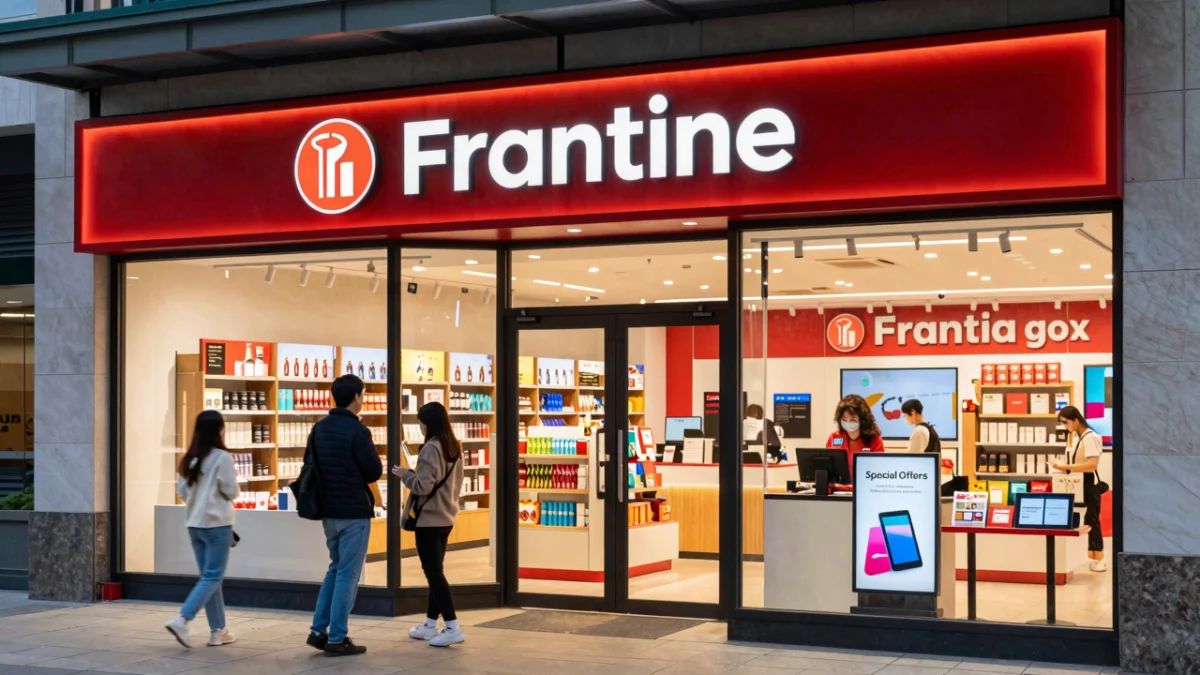
The franchise industry is entering a period of significant transformation as it approaches 2026, driven by shifting consumer behaviors, technological integration, and a stabilized economic outlook. As potential investors survey the landscape, the appeal of established business models remains high, particularly given that the success rate for franchises historically ranges between 80% and 90%. This figure stands in stark contrast to independent startups, which often face higher failure rates within their first five years. With the International Franchise Association (IFA) projecting a steady growth rate of approximately 2.5% into 2025 and 2026, the sector continues to demonstrate resilience against broader market volatility.
The 2026 Franchise Landscape: Core Drivers of Growth
Identifying top-performing franchises for the 2026 fiscal year requires an analysis of market demand and operational efficiency. Current data suggests that the most successful franchises are those that leverage brand equity to mitigate the risks of customer acquisition. In an era where digital presence and reputation management are paramount, brands like Jersey Mike’s Subs and Mr. Rooter have set benchmarks for performance. Jersey Mike’s, for instance, reported a staggering 64.4% revenue growth between 2019 and 2021, a trajectory that analysts expect to continue as the brand expands its footprint in suburban markets.

The shift toward "recession-resistant" services is also a defining characteristic of the 2026 outlook. Home services, including plumbing, electrical work, and residential cleaning, are increasingly viewed as essential rather than discretionary. This shift provides a buffer against economic downturns, as homeowners prioritize the maintenance of their primary assets. Brands such as Molly Maid, which generates 89% of its revenue from recurring services, exemplify the stability that modern investors seek.
Sector Analysis: High-Performance Segments for 2026
The Resilience of Home Services
The home services sector remains a primary target for investment due to aging housing infrastructure in North America. Mr. Rooter and Mr. Electric, both part of the Neighborly brand umbrella, benefit from a sophisticated cross-marketing ecosystem. This "power of the brand" allows franchisees to tap into a pre-existing customer base that trusts the parent company’s various service lines. For 2026, the demand for specialized trades is expected to outpace the supply of qualified technicians, making franchises that offer robust training and recruitment support particularly valuable.
Food and Beverage: The Rise of Fast-Casual Efficiency
In the culinary sector, the "fast-casual" model continues to dominate. Jersey Mike’s Subs has maintained its momentum by focusing on quality and a streamlined operational model that adapts well to both in-store dining and third-party delivery platforms. Furthermore, drive-thru-centric models like Scooters Coffee are gaining traction. These models reduce the initial capital expenditure required for large dining rooms while maximizing throughput, a critical factor for achieving a high return on investment (ROI) in a high-inflation environment.

Health and Wellness: Beyond the Traditional Gym
Anytime Fitness remains a staple in the fitness franchise world, but 2026 will see a rise in boutique, specialized wellness concepts. BODYBAR Pilates is one such example, offering a high-margin, member-driven revenue model that appeals to a specific demographic. The integration of wearable technology and personalized health data into these franchise models is expected to be a major trend by 2026, allowing owners to track member engagement and retention with unprecedented precision.
Sustainability: The Solar Energy Frontier
As global initiatives push toward carbon neutrality, franchises like Astrawatt Solar Energy are positioned for exponential growth. The transition to renewable energy is no longer a niche market; it is a multi-billion dollar industry supported by federal tax incentives and increasing consumer desire for energy independence. Analysts predict that by 2030, the residential solar market will be a core component of the franchise landscape, offering significant long-term appreciation for early adopters.
Evaluating Financial Performance and ROI
Understanding the financial requirements of a franchise is the most critical step in the due diligence process. Initial investments can range from as little as $30,000 for service-based, home-operated models to over $1.5 million for premium real estate-heavy brands like Chick-fil-A.

| Cost Component | Typical Range | Strategic Importance |
|---|---|---|
| Initial Investment | $30,000 – $1.5M+ | Determines entry barrier and scale |
| Franchise Fees | $20,000 – $50,000 | One-time cost for brand access |
| Ongoing Royalties | 4% – 8% of Gross Sales | Funds corporate support and R&D |
| Average Annual ROI | 15% – 20% | Benchmark for successful operations |
Investors are encouraged to scrutinize Item 19 of the Franchise Disclosure Document (FDD). This section provides historical financial performance data, allowing potential franchisees to model their projected earnings based on actual results from existing locations. While past performance is not a guarantee of future success, it provides the most accurate roadmap available for assessing a brand’s viability.
Chronology of Franchise Evolution: 2020–2026
The path to the 2026 franchise market has been marked by several pivotal phases:
- 2020-2022: The Adaptation Phase. Franchises pivoted to contactless delivery and digital-first operations. Many brands that failed to adapt disappeared, while those with strong tech stacks, like Domino’s and Jersey Mike’s, thrived.
- 2023-2024: The Labor and Inflation Challenge. The industry grappled with rising wages and supply chain disruptions. Successful franchisors introduced automation in kitchens and administrative tasks to maintain margins.
- 2025: The Stabilization Period. Interest rates began to normalize, leading to an uptick in multi-unit ownership as capital became more accessible for expansion.
- 2026: The Strategic Growth Era. The market is now characterized by a focus on "essentialism" and sustainability. Franchises that offer high-utility services or promote environmental responsibility are leading the pack in new signings.
Support Systems and Operational Infrastructure
A high-performing franchise is defined as much by its corporate support as by its consumer-facing product. In 2026, the quality of a franchisor’s support system—encompassing training, marketing, and real estate assistance—is a non-negotiable factor for investment. Brands like Slim Chickens and PuroClean have gained acclaim for their "on-the-ground" support, providing franchisees with regional managers who assist with everything from site selection to local store marketing.

The "community support" aspect has also evolved. Modern franchisees often participate in peer-to-peer advisory councils, sharing best practices on labor management and customer retention. This collaborative environment is a key reason why franchises often outperform independent small businesses, which operate in relative isolation.
Addressing Entry Barriers: The $10,000 to $100,000 Tier
For many aspiring entrepreneurs, the barrier to entry is the primary concern. The 2026 market offers several pathways for those with limited capital:
- Low-Cost Entry ($10,000 – $30,000): This tier is dominated by mobile vending and service-based models. Commercial cleaning or residential landscaping franchises often fall into this category, as they do not require a physical storefront.
- Mid-Tier Investment ($50,000 – $100,000): Brands like Snapology (education) and Two Maids (cleaning) offer a balance of low overhead and scalable revenue. PuroClean, which focuses on property damage remediation, is a high-demand option in this price bracket, particularly in regions prone to climate-related property damage.
The Chick-fil-A Exception: A Study in Selectivity
While many franchises are actively seeking new owners, Chick-fil-A remains one of the most difficult to join. Despite an initial franchise fee of only $10,000, the company pays for all startup costs, including real estate and construction. In exchange, the selection process is notoriously rigorous, with an acceptance rate of less than 1%. This model highlights a different side of the industry: where the franchisor takes on the financial risk but maintains strict control over operations and brand standards. For 2026, this model continues to be the gold standard for operational excellence and customer loyalty.

Implications and Future Outlook
The broader impact of a thriving franchise sector extends beyond individual wealth creation. Franchises are significant drivers of local employment and community development. As we look toward the remainder of the decade, the integration of Artificial Intelligence (AI) in franchise operations—for predictive inventory management and hyper-localized marketing—will likely separate the top performers from the laggards.
Investors must remain diligent, recognizing that market demand can shift. The success of a franchise in 2026 will depend on its ability to remain relevant in a digital-first economy while providing the "human touch" that service-based industries require. By focusing on brands with high recurring revenue, strong corporate backing, and a clear path toward sustainability, investors can position themselves for long-term financial stability in an ever-changing commercial landscape.
