

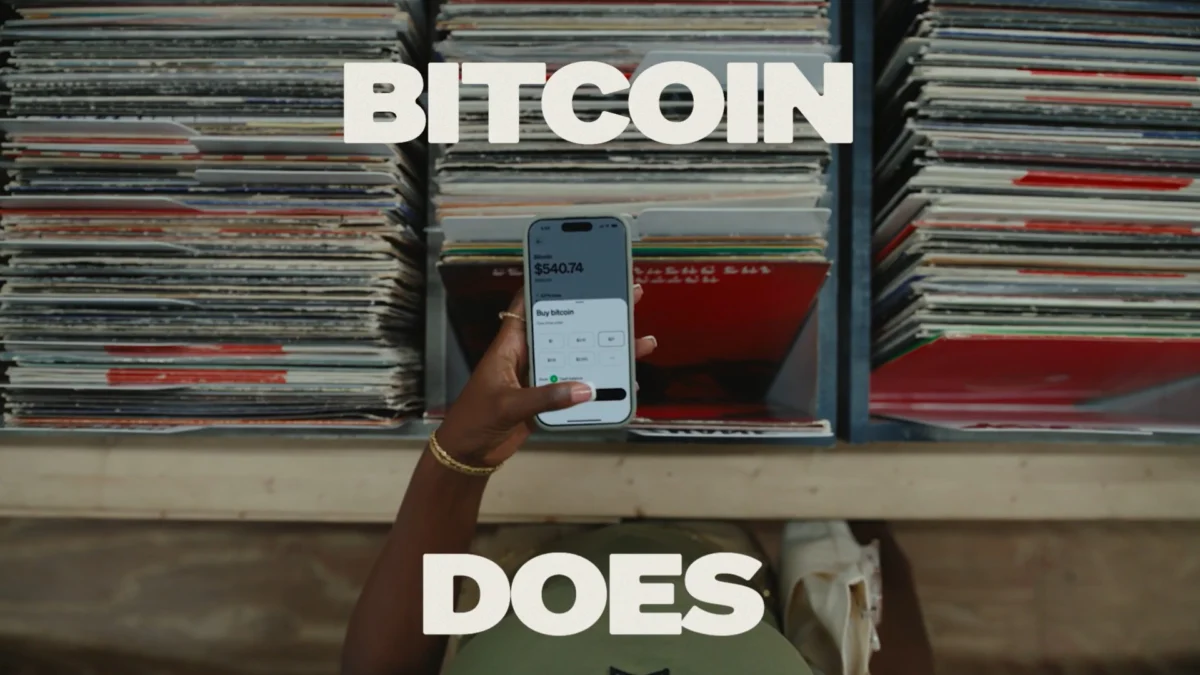
Jack Dorsey’s Block, Inc., the financial technology company formerly known as Square, has initiated its most ambitious endeavor yet to integrate Bitcoin into the daily lives of consumers. The NYSE-listed firm unveiled a multi-platform advertising campaign on Thursday, explicitly designed to champion the leading cryptocurrency as a viable and practical medium of exchange. This initiative arrives at a critical juncture in the United States, where soaring inflation has become a dominant concern for voters, particularly as midterm elections loom. The campaign signals a significant escalation in Block’s long-standing advocacy for Bitcoin’s widespread adoption for everyday transactions, a vision consistently championed by its founder, Jack Dorsey.
The "Bitcoin Does" Campaign: Addressing Economic Realities
The core message of Block’s campaign is encapsulated in its striking slogan: "Some things don’t make sense. Bitcoin does." This tagline directly confronts the economic anxieties prevalent among Americans, aiming to position Bitcoin as a rational and potentially beneficial alternative in an increasingly unpredictable financial landscape. The campaign’s debut was accompanied by a compelling advertisement released on X (formerly Twitter), which powerfully illustrates the frustrations of ordinary citizens grappling with the rising cost of living. The ad features individuals voicing their concerns about economic hardships, juxtaposed with a critique of perceived systemic inequities, such as government bailouts for Wall Street institutions. By tapping into these widespread sentiments, Block seeks to resonate with a broad audience and introduce Bitcoin as a potential solution.
Miles Suter, Bitcoin Lead at Block, articulated the company’s overarching mission in a statement accompanying the announcement. "At Block, we’re focused on building financial products that make everyday life easier," Suter stated. He elaborated on the significance of this particular campaign, describing it as "our first major illustration of what a Bitcoin-centric financial system could look like, and we’re excited to show how it can make a meaningful difference in people’s lives." This statement underscores Block’s commitment to developing an ecosystem that not only facilitates Bitcoin transactions but also demonstrably improves users’ financial well-being.
A Multi-Platform Rollout and Strategic Vision
Block’s comprehensive advertising strategy will span a diverse range of popular platforms, ensuring broad reach and engagement. Beginning on Thursday and continuing through December 31, advertisements will be broadcast across major digital channels including YouTube, X, Meta (Facebook and Instagram), and on television through Fox Sports. The campaign’s reach will extend to cinematic audiences as well, with ads scheduled to play during select screenings of anticipated films such as "Avengers: Doomsday" and "Dune 3." This strategic multi-channel approach aims to embed the message of Bitcoin’s everyday utility across various consumer touchpoints.
The campaign’s launch represents a culmination of Jack Dorsey’s dedicated efforts to foster Bitcoin adoption. In 2021, Dorsey stepped down from his role as CEO of Twitter (now X) to concentrate his full attention on his financial technology ventures, particularly his vision for Bitcoin to become a global currency. His deep conviction in Bitcoin’s potential is evident in his personal endorsements, including his description of Satoshi Nakamoto’s seminal Bitcoin white paper as "poetry," highlighting his belief in its innovative and elegant design.
Block’s Existing Bitcoin Ecosystem and Infrastructure
Block’s commitment to Bitcoin adoption is not merely aspirational; it is deeply embedded within its product suite. The company’s popular mobile payment application, Cash App, already provides users with robust functionalities for engaging with Bitcoin. These features include the ability to seamlessly send, receive, buy, and sell Bitcoin. Furthermore, Block’s point-of-sale terminals, operating under the Square brand, have been enhanced to accept Bitcoin payments, notably through the implementation of the Lightning Network. The Lightning Network is a second-layer payment protocol built on top of Bitcoin, designed to enable faster, cheaper, and more scalable transactions, addressing some of the inherent limitations of the main Bitcoin blockchain for microtransactions.
Beyond consumer-facing applications, Block has also been actively involved in the infrastructure supporting Bitcoin. Last year, the company unveiled a modular Bitcoin mining rig, a significant development in the mining hardware space. This innovative device features swappable parts, a design choice intended to reduce costs for miners by simplifying repairs and replacements, thereby enhancing the economic viability of mining operations. This move demonstrates Block’s holistic approach to fostering Bitcoin adoption, from the end-user experience to the foundational elements of the network.
Contextualizing the Campaign: Economic Headwinds and Political Climate
The timing of Block’s advertising campaign is particularly noteworthy, given the prevailing economic conditions in the United States. As of late 2023 and early 2024, inflation has remained a persistent challenge, impacting household budgets and consumer purchasing power. The Consumer Price Index (CPI) has shown significant year-over-year increases for several categories, impacting essentials like groceries, energy, and housing. For instance, data from the Bureau of Labor Statistics has indicated that the cost of food at home rose by [insert specific percentage range from recent BLS reports, e.g., 8-10%] over the past year, while energy prices have experienced considerable volatility, directly affecting transportation and utility costs.
This economic climate has intensified public scrutiny of financial policies and the efficacy of traditional monetary systems. With midterm elections approaching, economic concerns, particularly affordability, have emerged as a paramount issue for voters. Polls consistently indicate that inflation and the cost of living are among the top priorities for electorates across the political spectrum. This creates a fertile ground for alternative financial narratives, such as those promoted by Block, which propose a different approach to managing and transacting value.
Historical Precedents and Block’s Bitcoin Journey
Block’s (and by extension, Jack Dorsey’s) persistent advocacy for Bitcoin is not a new development. The company has been an early and consistent investor in Bitcoin, holding significant amounts on its balance sheet. This strategic investment has been accompanied by a continuous effort to build and integrate Bitcoin-related services into its platforms.
A Chronology of Block’s Bitcoin Engagement:
- 2014: Square (precursor to Block) begins exploring Bitcoin integration, initially allowing select merchants to accept Bitcoin.
- 2017: Cash App introduces Bitcoin trading functionality, enabling users to buy and sell the cryptocurrency.
- 2020: Block announces a significant purchase of Bitcoin, investing $50 million into the asset. This marked a pivotal moment, signaling institutional confidence and further commitment.
- 2021: Jack Dorsey steps down as Twitter CEO to focus more intensely on Block and its Bitcoin initiatives, reiterating his vision for Bitcoin as the internet’s native currency.
- 2021: Block announces its intention to build a business focused on decentralized finance (DeFi) utilizing Bitcoin, further expanding its strategic outlook.
- 2022: Block launches a Bitcoin mining hardware initiative, aiming to make mining more accessible and cost-effective.
- 2023-2024: The company ramps up its consumer-facing education and adoption efforts with the current advertising campaign, directly targeting everyday users.
This timeline illustrates a deliberate and progressive strategy to not only invest in Bitcoin but also to actively build the infrastructure and user experiences necessary for its widespread adoption as a mainstream financial tool.
Analysis of Implications: Potential Benefits and Challenges
Block’s aggressive marketing push carries significant implications for both the broader cryptocurrency market and traditional finance.
Potential Benefits:
- Increased Mainstream Adoption: By directly addressing consumer concerns and showcasing practical use cases, the campaign has the potential to demystify Bitcoin for a wider audience, encouraging more people to explore its utility beyond speculative investment.
- Enhanced Competition in Payments: A successful campaign could accelerate the integration of cryptocurrencies into the everyday payment landscape, forcing traditional payment processors and financial institutions to innovate and adapt.
- Validation of Bitcoin as a Store of Value and Medium of Exchange: If the campaign resonates and leads to tangible increases in Bitcoin usage for transactions, it could further solidify Bitcoin’s narrative as a resilient store of value and an effective medium of exchange, especially in economies facing instability.
- Catalyst for Further Development: Increased demand and adoption driven by such campaigns could incentivize further development of layer-2 solutions and other infrastructure improvements to enhance Bitcoin’s scalability and transaction speed.
Potential Challenges:
- Volatility Concerns: Bitcoin’s inherent price volatility remains a significant barrier to its widespread adoption as "everyday money." Fluctuations in value could deter consumers from using it for essential purchases if they fear the value might diminish rapidly.
- Regulatory Scrutiny: Increased mainstream attention on Bitcoin could intensify regulatory scrutiny from governments worldwide, potentially leading to new regulations that could impact its usability or accessibility.
- Technical Barriers and User Experience: While Block is working to simplify these aspects, the technical nuances of managing private keys, understanding transaction fees, and navigating wallets can still be a hurdle for less tech-savvy individuals.
- Skepticism and Education Gaps: Despite the campaign, a significant portion of the public may remain skeptical of cryptocurrencies due to past scams, volatility, or a general lack of understanding of blockchain technology. Effective education will be crucial.
- Environmental Concerns: While Bitcoin’s energy consumption has been a point of contention, the company’s focus on the Lightning Network, which is significantly more energy-efficient, may help to mitigate these concerns. However, the broader perception of Bitcoin’s environmental impact could still be a factor.
Broader Impact and the Future of Finance
Block’s campaign is more than just a marketing initiative; it is a strategic play to shape the future of finance. By positioning Bitcoin as a solution to contemporary economic challenges, Block is actively participating in the ongoing discourse about the role of decentralized technologies in a globalized economy. The success of this campaign could serve as a significant precedent for other financial technology companies looking to leverage cryptocurrencies for mainstream adoption.
The company’s persistent belief in Bitcoin’s transformative potential, coupled with its substantial investment in building the necessary infrastructure, places it at the forefront of this evolving financial paradigm. As consumers increasingly seek alternatives and greater control over their financial lives, Block’s efforts to make Bitcoin "everyday money" represent a bold step towards a potentially more decentralized and user-centric financial future. The coming months will reveal whether this extensive advertising push can indeed shift public perception and pave the way for Bitcoin to transcend its current status as primarily an investment asset and become a true medium of exchange for the masses.
