

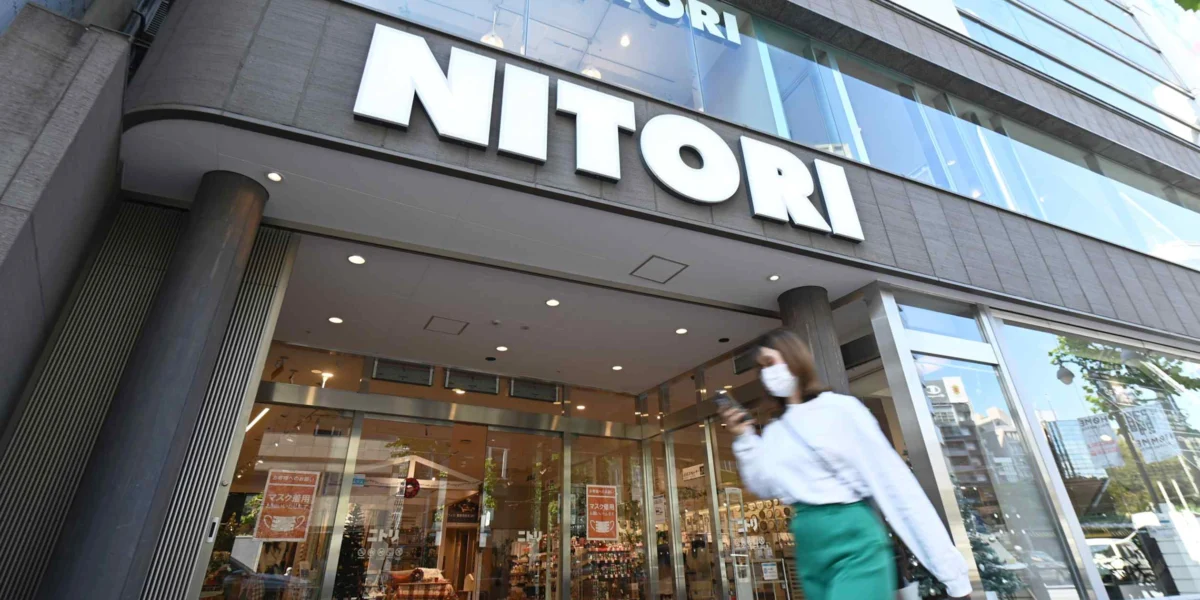
TOKYO – Leading Japanese furniture retailer Nitori Holdings is set to inaugurate one of Japan’s largest dedicated recycling facilities, a significant strategic move designed to establish a robust domestic recycling supply chain and accelerate the company’s transition towards a fully circular economy model. This ambitious initiative underscores Nitori’s commitment to sustainability and its vision of transforming discarded furniture, from sofas to tables, into valuable resources, thereby creating a profitable and environmentally responsible business ecosystem.

Nitori’s Strategic Pivot Towards Circularity
The establishment of this state-of-the-art recycling center represents a pivotal moment for Nitori, a company that has long dominated the Japanese furniture and home goods market with its affordable and stylish offerings. Historically, furniture disposal has been a complex and costly challenge for both consumers and retailers, often leading to landfill waste. Nitori’s proactive approach aims to tackle this issue head-on by creating a closed-loop system where used furniture is not merely disposed of but is meticulously processed, refurbished, or recycled into new materials. This not only addresses environmental concerns but also presents a significant economic opportunity for the company.
The company anticipates that the new recycling facility will lead to substantial cost savings. Projections indicate an annual reduction in disposal and processing expenses exceeding 100 million yen (approximately $670,000 USD at current exchange rates). This financial incentive, coupled with growing consumer and regulatory pressure for sustainable practices, positions Nitori at the forefront of responsible retail innovation in Japan.

Genesis of the Recycling Initiative: A Response to Growing Challenges
The decision to invest heavily in a domestic recycling infrastructure is rooted in several evolving market dynamics. Over the past decade, Japan has witnessed a marked increase in household consumption, leading to a corresponding rise in furniture waste. Traditional disposal methods, often involving incineration or landfill, are facing growing scrutiny due to their environmental impact, including greenhouse gas emissions and land use. Furthermore, the cost of waste management has been steadily escalating, making alternative solutions increasingly attractive.
Nitori’s strategic planning, which likely began several years prior to the facility’s opening, would have involved extensive research into material science, logistics, and consumer behavior. The company would have assessed the types of materials commonly found in its products – wood, textiles, metal, and plastics – and developed efficient methods for their separation, processing, and reintegration into new product lines or raw material streams. This foresight is crucial for building a sustainable circular supply chain that is both economically viable and environmentally sound.

The Facility: A Hub for Resource Transformation
While specific details about the recycling facility’s operational capacity and technological sophistication are yet to be fully disclosed, its designation as one of Japan’s largest suggests a significant investment in advanced machinery and processes. The facility is expected to handle a wide array of furniture types, from bulky upholstered sofas to wooden tables and chairs.
The core functions of the center are likely to include:

- Collection and Sorting: Establishing efficient collection networks from retail stores, customer pick-up points, and potentially partnerships with municipalities. Advanced sorting systems, possibly involving AI-powered optical scanners and manual inspection, will be employed to categorize materials accurately.
- Disassembly and Material Recovery: Skilled technicians will carefully disassemble furniture, separating components like wooden frames, metal springs, fabric upholstery, and plastic parts. This stage is critical for maximizing the recovery of valuable materials.
- Refurbishment and Upcycling: Items that are in good condition may be professionally cleaned, repaired, and reupholstered for resale, extending their lifespan and offering customers more affordable, pre-owned options.
- Material Processing: Recovered materials will undergo further processing. Wood may be chipped for particleboard or composted. Metals can be melted down and re-cast. Textiles might be shredded for insulation or transformed into new fabric blends. Plastics will be sorted by type and prepared for recycling into new products.
- Production Integration: The ultimate goal is to feed these recycled materials back into Nitori’s manufacturing processes or supply them to other industries, closing the loop and minimizing reliance on virgin resources.
Economic and Environmental Implications: A Win-Win Scenario
The economic benefits of this initiative are multifaceted. The projected savings of over 100 million yen annually from reduced disposal costs are just the beginning. By creating its own supply of recycled materials, Nitori could potentially lower its raw material procurement costs, further enhancing profitability. The development of a circular economy model also positions Nitori as a leader in a rapidly evolving market, potentially attracting environmentally conscious consumers and investors.
Beyond cost savings, the environmental implications are profound. A significant reduction in furniture waste sent to landfills or incinerators will translate to lower greenhouse gas emissions, reduced land pollution, and conservation of natural resources. By giving old furniture a new life, Nitori contributes to a more sustainable consumption pattern, aligning with global efforts to combat climate change and promote a greener future.

Industry Reactions and Broader Impact
The furniture industry, both in Japan and globally, is increasingly recognizing the imperative to adopt more sustainable practices. Nitori’s bold move is likely to set a precedent, encouraging other retailers and manufacturers to follow suit. Industry analysts suggest that such initiatives are not just about corporate social responsibility but are becoming essential for long-term business viability and competitiveness.
"This is a significant step for Nitori and for the Japanese retail landscape," commented a sustainability consultant specializing in the consumer goods sector. "The ability to internalize recycling processes and create value from waste demonstrates a sophisticated understanding of the circular economy. We anticipate this will not only drive efficiency for Nitori but also elevate consumer expectations regarding sustainability in the furniture market."

The success of Nitori’s recycling facility could also spur innovation in material science and recycling technologies. As the demand for recycled materials grows, so too will the investment in research and development to create more efficient and versatile recycling processes. This could lead to the development of new composite materials or novel applications for recycled content, further strengthening the circular economy.
Nitori’s Long-Term Vision: A Sustainable Future
Nitori Holdings has historically been known for its "Something for Everyone" philosophy, offering a wide range of affordable home furnishings. This new venture into large-scale recycling suggests a deepening of its commitment to responsible business practices, extending beyond product affordability to encompass the entire product lifecycle.

The company’s vision likely includes expanding its collection programs, potentially offering incentives for customers to return old furniture. Furthermore, Nitori may explore partnerships with other businesses to create a broader network for material reuse and recycling, fostering a truly collaborative circular economy within Japan. The establishment of this recycling facility is not merely an operational upgrade but a fundamental shift in Nitori’s business model, positioning it as a pioneer in the transition to a more sustainable and resilient future for the furniture industry. The long-term success of this initiative will be closely watched, not only by competitors and industry observers but also by consumers who are increasingly prioritizing environmental stewardship in their purchasing decisions.
