

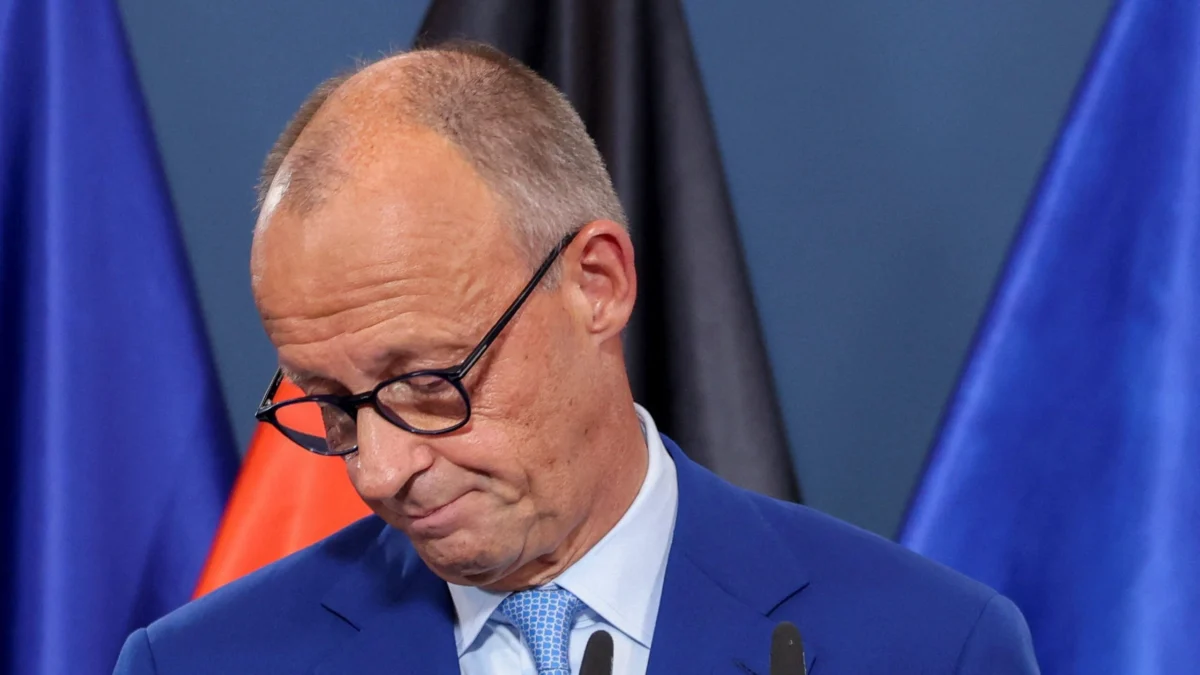
Following the complete tabulation of all electoral districts in Mecklenburg-Vorpommern, the Christian Democratic Union (CDU) has experienced a devastating electoral defeat, registering a mere 4.9 percent of the second votes. This outcome signifies a historic low for the party in the state and crucially, means they will not regain a seat in the Schwerin state parliament. The Alternative for Germany (AfD) has emerged as the victor of the election, marking a significant shift in the regional political landscape. Despite this setback, CDU leader Friedrich Merz has declared his intention to continue leading the party and pursue a course of reform.
A Seismic Shift in Mecklenburg-Vorpommern Politics
The results of the recent state election in Mecklenburg-Vorpommern have sent shockwaves through the German political establishment, most notably for the CDU. The party’s failure to surpass the crucial five percent threshold, a standard barrier for parliamentary representation, represents a profound and deeply concerning outcome for its leadership. This result not only signifies a loss of electoral trust in the state but also raises serious questions about the party’s current direction and its ability to connect with voters across Germany.
The AfD’s victory, on the other hand, underscores its growing influence in eastern German states. While the exact percentage for the AfD was not detailed in the initial report, their ascent to the top position signals a significant realignment of political forces in the region. This outcome is likely to fuel further debate and concern regarding the rise of right-wing populism in Germany.
The Road to the Landtag: A Chronicle of the Election
The election process, culminating in the final vote count, unfolded against a backdrop of national political challenges and regional specificities. As voters in Mecklenburg-Vorpommern headed to the polls, they were presented with a clear choice that would shape the future governance of their state. The campaign period, though not detailed in the provided text, would have undoubtedly been characterized by distinct party platforms and voter engagement strategies.
The final tally, released after the meticulous counting of ballots from every Wahlbezirk (electoral district), confirmed the unprecedented nature of the CDU’s defeat. The 4.9 percent result is not merely a statistical anomaly but a clear indicator of a significant disconnect between the party and a substantial portion of the electorate in Mecklenburg-Vorpommern. This marks a departure from previous electoral performances, where the CDU has historically held a more prominent position in state-level politics.
Political Landscape and Potential Governing Alliances
With the CDU out of contention for parliamentary seats, the formation of a governing coalition will likely focus on the remaining parties. The initial analysis suggests a potential governing majority could be formed by an alliance of the Social Democratic Party (SPD), The Left (Die Linke), and the Green Party. This coalition, led by the incumbent SPD Minister-President Manuela Schwesig, would collectively command 39 seats, giving them a narrow majority of three mandates.
This proposed coalition represents a continuation of the current governing dynamic, albeit with the CDU no longer playing a role. The SPD’s strong performance, enabling them to lead a potential coalition, underscores their continued relevance in the state. The inclusion of The Left and the Greens would signify a continuation of a left-leaning government, facing the challenge of implementing its agenda with a slim majority.

Reactions and Reflections from Prominent Figures
The gravity of the CDU’s electoral performance was palpable in the immediate aftermath. Former Federal Minister Peter Altmaier, a prominent figure within the CDU, expressed profound dismay and shock at the results. His statement, conveyed via X (formerly Twitter), revealed the deep emotional impact of the defeat. Altmaier, a long-standing member of the CDU, articulated his personal heartbreak and disbelief, stating that he felt "more shocked and speechless than ever before." He expressed sympathy for those who had placed their faith in the CDU and were now experiencing disappointment, as well as for the candidates who had lost their seats. This sentiment from a respected party elder highlights the widespread concern within the CDU about the implications of this election.
CDU leader Friedrich Merz, despite the party’s historic failure in Mecklenburg-Vorpommern, has signaled a commitment to remain at the helm and push forward with internal reforms. This stance suggests a strategic decision to confront the challenges head-on rather than succumb to the pressure of immediate leadership change. Merz’s emphasis on continuing the "reform course" indicates a belief that the party’s current trajectory, with adjustments, can still lead to future success. However, the magnitude of this defeat will undoubtedly place considerable pressure on his leadership and the effectiveness of any proposed reforms.

Broader Implications and Analysis
The implications of the Mecklenburg-Vorpommern election extend far beyond the state’s borders. The CDU’s failure to clear the five percent hurdle is a stark warning signal for the party nationally. It raises critical questions about its electoral strategy, its appeal to different voter demographics, and its ability to present a compelling vision for Germany’s future. The rise of the AfD as the leading party in Mecklenburg-Vorpommern is also a significant development, reflecting a broader trend of increasing support for right-wing populist parties in parts of Germany.
This electoral outcome could embolden the AfD, potentially influencing their messaging and strategies in future federal and state elections. It also presents a challenge for the governing coalition at the federal level, as the changing political dynamics in the states can have ripple effects on national policy debates and legislative processes.

The election in Mecklenburg-Vorpommern serves as a crucial case study in contemporary German politics. It highlights the volatility of voter sentiment, the challenges faced by established parties in adapting to evolving political landscapes, and the persistent strength of regional political identities. The CDU’s struggle to maintain its electoral base and the AfD’s continued ascent are phenomena that will undoubtedly be closely scrutinized by political analysts and commentators in the coming months and years. The party’s ability to learn from this historic setback and implement meaningful reforms will be critical to its future electoral prospects.
Supporting Data and Context
While the provided text focuses on the immediate election results, understanding the broader context requires looking at historical voting patterns and demographic trends in Mecklenburg-Vorpommern. Historically, Mecklenburg-Vorpommern has been a state with significant economic challenges, often characterized by lower average incomes and higher unemployment rates compared to western German states. These socio-economic factors can influence voting behavior, making electorates more receptive to parties that promise radical change or address perceived grievances.

The rise of the AfD in eastern Germany is often linked to a complex interplay of factors, including economic anxieties, a sense of being left behind, dissatisfaction with mainstream political parties, and concerns regarding immigration and cultural identity. The CDU’s performance, particularly its failure to secure even a modest share of the vote, suggests that it has not effectively addressed these concerns for a significant portion of the electorate in Mecklenburg-Vorpommern.
The five percent hurdle is a critical element of the German electoral system. It is designed to prevent the fragmentation of parliamentary representation by ensuring that parties have a substantial enough base of support to contribute meaningfully to governance. For the CDU, failing to clear this threshold in a state election is a particularly damaging blow, as it implies a near-complete loss of public support in that region.

The potential governing coalition of SPD, The Left, and Greens, while numerically viable, will need to navigate a complex political agenda. Issues such as economic development, social welfare, environmental policies, and regional integration will be at the forefront. The narrow majority of three seats means that any legislative decisions will require strong party discipline and careful coalition management to avoid internal disagreements or the risk of losing crucial votes.
The reactions from figures like Peter Altmaier underscore the symbolic importance of the CDU’s position in German politics. The party, a cornerstone of post-war German democracy, has long been a dominant force. Such a significant electoral reversal in a state election is likely to trigger introspection and calls for strategic re-evaluation within the party’s leadership and ranks. The challenge for Friedrich Merz will be to not only address the immediate crisis of confidence but also to articulate a forward-looking vision that can win back disillusioned voters and re-establish the CDU as a credible governing alternative.
