

Washington. Kurz nachdem US-Präsident Donald Trump am Freitagabend auf seiner Plattform Truth Social überraschend eine Einigung mit Dänemark und Grönland im Streit über die Insel verkündet hatte, überschlugen sich die Unterstützer seiner „Make America Great Again“-Bewegung (MAGA) mit Lobpreisungen. „Er hat es getan“, schrieb die rechte Influencerin Laura Loomer auf X, „Präsident Trump hat jetzt die strategische Kontrolle über Grönland“. Katie Miller, die Ehefrau des Vize-Stabschefs im Weißen Haus, Stephen Miller, verbreitete eine in der amerikanischen Flagge gehüllte Abbildung Grönlands mit den Worten „Es geschieht“. Auf Fox News, ein Trump gegenüber sehr positiv gestimmter US-Sender, sprach ein Kommentator von einem „großen strategischen Sieg“. US-Außenminister Marco Rubio zeigte sich zufrieden: „Dieses Abkommen beseitigt dauerhaft und vollständig unsere Bedenken hinsichtlich der nationalen Sicherheit in Grönland“, schrieb er.
Unabhängige Experten widersprachen jedoch der Darstellung, dass es sich um eine „historische“ Einigung handele. Nach allem, was bislang über die Vereinbarung bekannt sei, scheine sie nur wenig über das hinauszugehen, was bereits 1951 vereinbart und 2004 erweitert worden sei, so die Kritik.
Background: A History of Strategic Interest
The United States has long harbored strategic interests in Greenland, an autonomous Danish territory. Its vast landmass, strategic location in the Arctic, and rich natural resources, including rare earth minerals crucial for advanced technologies, have made it a subject of geopolitical attention. The history of US engagement with Greenland dates back to World War II, when the US established military bases there to counter potential Nazi threats and ensure supply lines. The Thule Air Base, established in 1951, remains a significant US military installation and a vital component of the global missile defense system.

The idea of the US acquiring Greenland is not new. It has been a recurring theme in discussions of American expansionism and strategic planning. In 1946, President Harry Truman reportedly offered Denmark $100 million for Greenland, an offer that was rebuffed. More recently, President Trump revived this idea, reportedly expressing his interest in purchasing the island, sparking a diplomatic controversy that led to Denmark’s Prime Minister Mette Frederiksen calling the suggestion “absurd.”
The Alleged Agreement: What Was Actually Achieved?
The nature of the recently announced "agreement" remains shrouded in considerable ambiguity, leading to skepticism among international observers and analysts. While Trump’s supporters and some right-leaning media outlets have hailed it as a monumental victory, securing "strategic control," details are scarce.
Initial reports suggest that the agreement might pertain to enhanced cooperation in areas such as defense, resource exploration, and climate change research. It is plausible that the US sought to solidify its access to Greenland’s strategic assets and potentially gain greater influence over its development. This could involve agreements on joint military exercises, expanded access for US research vessels, and perhaps even preferential treatment for US companies in the extraction of Greenland’s mineral wealth.
However, the claim of "strategic control" is particularly contentious. Greenland is an autonomous territory within the Kingdom of Denmark. Any transfer of sovereignty or significant increase in US control would necessitate agreement from both the Greenlandic government and the Danish government. The specifics of how this "agreement" navigates these political realities are yet to be clarified.

Expert Scrutiny and Doubts
Independent experts and foreign policy analysts have expressed reservations about the celebratory tone emanating from Trump’s camp. Dr. Michael Madsen, a Greenlandic political scientist, commented, "While cooperation and dialogue are always welcome, the terminology of ‘strategic control’ suggests a misunderstanding of Greenland’s status as an autonomous nation and Denmark’s role. We value our partnerships, but we are not for sale."
Concerns have been raised that the agreement might merely formalize or expand upon existing arrangements. The 1951 defense treaty, for instance, already grants the US significant military access. Similarly, agreements regarding resource exploration have been in place, albeit with varying degrees of success and controversy. Experts point out that any new accord would need to be transparent and reflect the interests of Greenland and its people, not just external geopolitical ambitions.

The historical context of US-Greenlandic relations, marked by periods of significant military presence and economic influence, fuels the skepticism. Critics argue that the Trump administration may be attempting to rebrand existing cooperation as a new, decisive achievement to bolster the President’s image.
Potential Implications and Future Considerations
If the agreement does indeed go beyond existing frameworks, it could have several implications:

- Geopolitical Shift in the Arctic: Enhanced US influence in Greenland could alter the strategic balance in the Arctic, a region experiencing increasing geopolitical competition due to climate change opening new shipping routes and increasing accessibility to resources.
- Economic Opportunities and Challenges: Greater US involvement could lead to increased investment in Greenland’s nascent industries, particularly mining. However, this also raises concerns about environmental protection, equitable benefit-sharing, and potential economic dependency.
- Danish-American Relations: The specifics of the agreement will be crucial for maintaining harmonious relations between Denmark and the United States. Any perception of unilateral action or disregard for Danish sovereignty could lead to diplomatic friction.
- Greenland’s Autonomy: The long-term impact on Greenland’s pursuit of greater self-determination and eventual independence will depend on the terms of the agreement and how it empowers or constrains Greenland’s own governance.
A Call for Transparency
The ambiguity surrounding the "agreement" underscores a broader need for transparency in international relations, especially concerning sensitive geopolitical matters. For the international community and the people of Greenland to properly assess the significance of this development, a clear and detailed disclosure of the agreement’s terms is imperative. Without such clarity, the claims of a "historic victory" will remain largely unsubstantiated, overshadowed by the persistent question of what, precisely, has been achieved.
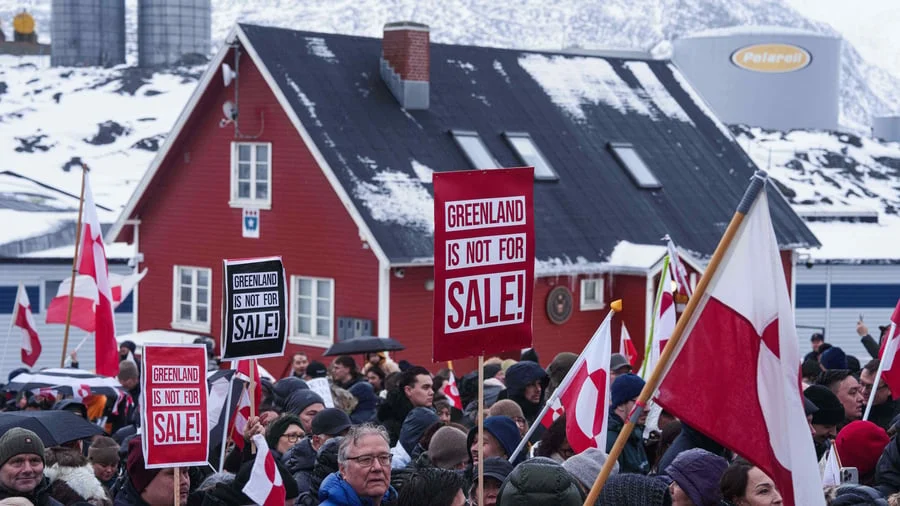
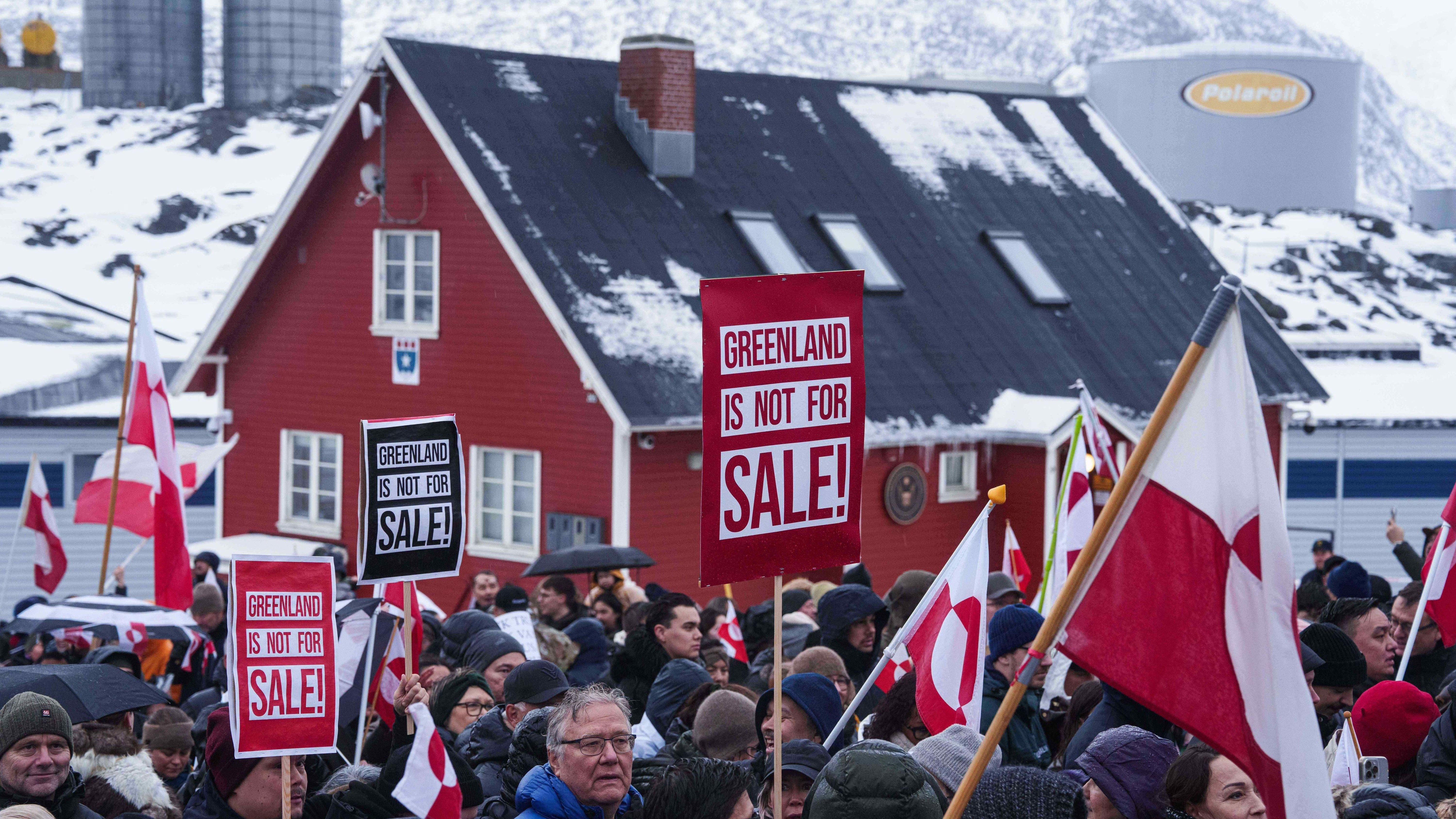
The image accompanying the original report, depicting a protest against US President Trump’s Greenland plans, serves as a stark reminder that any agreement concerning Greenland must be rooted in the consent and aspirations of its people. The narrative of strategic control, while appealing to certain political factions, risks overlooking the complex realities of sovereignty, self-determination, and the genuine needs of the Greenlandic population. The coming days and weeks will likely reveal more about the substance of this purported agreement and its true implications for regional and global dynamics.
