

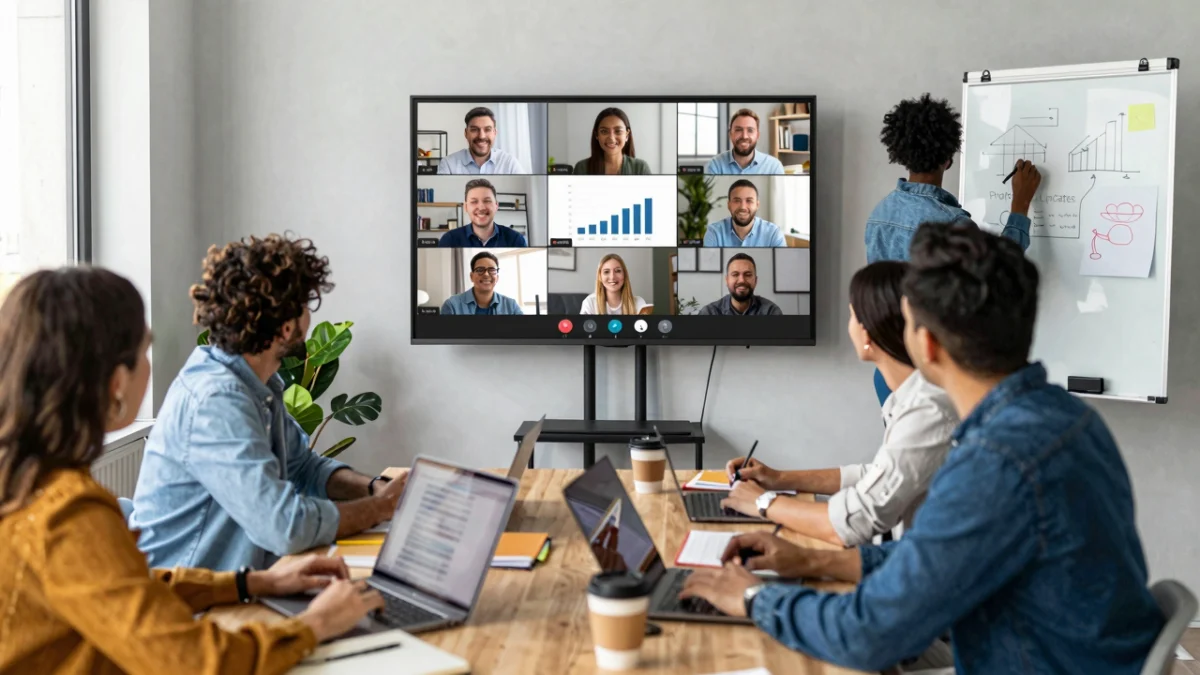
The shift toward remote and hybrid work models has transitioned from a temporary pandemic-era exigency to a permanent fixture of the global corporate landscape. As organizations navigate this mature phase of digital transformation, the focus has moved beyond basic connectivity toward the sophisticated optimization of remote team management. Current industry data suggests that effective remote leadership now hinges on a triad of flexibility, outcome-based performance metrics, and the intentional cultivation of organizational culture. To maintain a competitive edge, managers are increasingly required to abandon traditional oversight methods in favor of decentralized, trust-based frameworks that prioritize employee well-being alongside productivity.

The Chronological Evolution of Remote Work Management
The trajectory of remote work management has undergone three distinct phases over the last decade. Prior to 2020, remote work was largely a niche benefit, primarily utilized by the technology and freelance sectors. During this period, management was largely office-centric, and remote employees often faced "proximity bias," where their contributions were undervalued compared to their in-office counterparts.
The second phase, beginning in early 2020, was characterized by the "Global Remote Work Experiment." Forced by the COVID-19 pandemic, companies were compelled to adopt digital tools overnight. This era was defined by rapid troubleshooting, the rise of video conferencing fatigue, and a struggle to replicate office hierarchies in a digital space.

The current phase, which began in late 2023 and continues into 2025, is defined by the "Hybrid Maturity" and the "Return to Office" (RTO) tension. Organizations are now refining their long-term strategies, balancing the employee demand for autonomy with the executive desire for collaboration. This era has seen the emergence of "asynchronous work" as a standard practice, where the emphasis is placed on results rather than the hours spent logged into a system.
Data-Driven Insights into Remote Productivity
Recent studies by organizations such as Gallup and Owl Labs provide a statistical backbone to the remote work debate. According to a 2024 report, 67% of remote workers reported higher levels of productivity compared to their time in a traditional office setting. However, the same data highlights a growing concern regarding "productivity paranoia"—a term coined by Microsoft to describe the disconnect where 85% of leaders say the shift to hybrid work has made it challenging to have confidence that employees are being productive.

Further supporting data indicates that flexibility is no longer a perk but a retention requirement. A survey of 10,000 global workers found that 76% of employees want flexibility in where they work, and 93% want flexibility in when they work. Failure to provide these options has led to a 25% increase in turnover rates for strictly in-office firms compared to those offering flexible arrangements. Furthermore, the economic impact of remote work is significant; companies can save an average of $11,000 per year per part-time remote employee on real estate and overhead costs.
Strategic Frameworks for Remote Leadership
To bridge the gap between executive concerns and employee needs, successful managers are implementing specific strategic frameworks. These frameworks move away from micromanagement and toward a model of "empowered accountability."

Transitioning to Outcome-Based Management
The most significant shift in remote management is the move from monitoring activity to measuring results. Traditional managers often equate "being busy" with "being productive." In a remote setting, this leads to unnecessary check-ins and surveillance software, which erode trust. Modern leadership focuses on defining Key Performance Indicators (KPIs) and Objectives and Key Results (OKRs). When employees understand exactly what success looks like and are given a deadline, the path they take to get there becomes secondary to the quality of the output.
Establishing Robust Communication Norms
Communication in a remote environment must be intentional rather than incidental. In an office, information flows through "water cooler" moments; in remote work, these must be engineered. High-performing teams utilize a tiered communication strategy:

- Synchronous (Real-time): Reserved for urgent issues, complex brainstorming, and sensitive 1-on-1 feedback. Tools include Zoom, Microsoft Teams, and Google Meet.
- Asynchronous (Delayed): Used for status updates, routine questions, and document reviews. Tools include Slack, Loom, and project management software like Asana or Jira.
By setting clear guidelines on response times—for example, acknowledging an email within 24 hours but a Slack message within two—teams can reduce the anxiety associated with "always-on" digital culture.
Building Trust and Mitigating Professional Isolation
One of the primary challenges of the digital workplace is the erosion of social capital. Without physical proximity, team members can quickly feel like "cogs in a machine" rather than valued contributors.
The Role of Virtual Team Building
Inclusive environments are built through consistent, low-stakes social interactions. Industry experts suggest that "forced fun" (such as mandatory virtual happy hours) is often counterproductive. Instead, successful teams integrate social elements into the workday. This includes "coffee chats" where work talk is discouraged, or dedicated Slack channels for non-work interests like pets, fitness, or literature. These interactions build the empathy necessary to sustain teams during high-pressure periods.

Mentoring as a Leadership Pivot
The role of the manager is shifting toward that of a coach or mentor. In a remote setting, career development can often stall because junior employees lack the opportunity to "shadow" senior leaders. To combat this, organizations are implementing formal remote mentorship programs. Regular 1-on-1 meetings are no longer just for status reports; they are dedicated spaces for discussing career trajectories, skill gaps, and mental health.
Addressing Mental Health and the "Right to Disconnect"
The blurring of lines between home and office has led to a surge in digital burnout. A 2024 mental health index revealed that remote workers are 20% more likely to work longer hours than their in-office counterparts, often due to the "guilt" of not being seen.

In response, several European nations have introduced "Right to Disconnect" legislation, which prohibits employers from penalizing workers for not responding to communications outside of business hours. Forward-thinking companies are adopting similar internal policies. Strategies such as "No-Meeting Fridays" and encouraged "blackout zones" for deep work are becoming essential tools for maintaining long-term employee engagement and preventing burnout.
Industry Reactions and Expert Perspectives
The corporate world remains divided on the long-term viability of full remote work. Tech giants like Salesforce and Google have moved toward a mandatory three-day in-office week, citing the need for "spontaneous innovation." Salesforce CEO Marc Benioff has noted that younger employees, in particular, benefit from the mentorship found in physical office spaces.

Conversely, companies like Airbnb and Dropbox have embraced a "Work from Anywhere" philosophy. These organizations argue that the ability to hire talent regardless of geography outweighs the benefits of a physical headquarters. HR experts from the Society for Human Resource Management (SHRM) suggest that the "one-size-fits-all" approach is dead. The consensus among analysts is that the most successful companies will be those that offer "radical flexibility"—allowing individual teams to decide the cadence of their collaboration based on their specific project needs.
Broader Implications for the Global Economy
The rise of remote team management has implications far beyond the individual firm. It is reshaping urban planning, real estate, and global labor markets. As companies become more adept at managing remote teams, they are increasingly looking toward "offshoring 2.0"—hiring highly skilled professionals in emerging markets who can integrate seamlessly into digital workflows.

Furthermore, the "de-urbanization" trend continues as workers migrate away from high-cost tech hubs toward "Zoom towns" with a higher quality of life. This shift is forcing cities to rethink their economic bases, moving away from commercial real estate taxes toward models that attract residents based on amenities and infrastructure rather than just job proximity.
Conclusion and Future Outlook
Managing remote teams in the evolving digital workplace requires a fundamental re-evaluation of the employer-employee contract. The focus has moved from "where" work happens to "how" it is supported and "what" is ultimately achieved. By prioritizing clear communication, investing in collaborative technology, and fostering a culture of trust and inclusivity, leaders can navigate the complexities of the modern workforce. As we move deeper into 2025, the distinction between "remote management" and "good management" will continue to disappear; in a digital-first world, they are increasingly one and the same. Organizations that master these strategies will not only see gains in productivity but will also secure their position as employers of choice in an increasingly competitive global talent market.
