

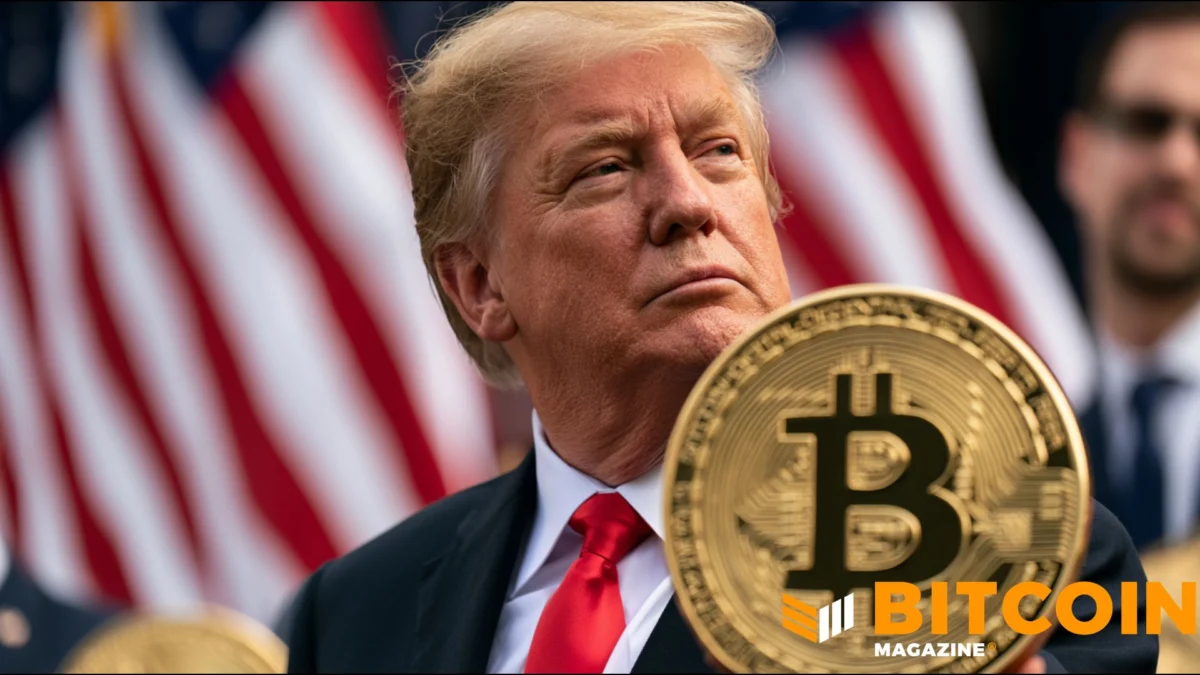
The highly anticipated vote on the comprehensive Clarity Act, a landmark piece of legislation aimed at establishing a regulatory framework for digital assets in the United States, has been postponed until September. Lawmakers departed for their August recess today without bringing the bill to the floor, a decision attributed by some to ongoing disagreements, particularly surrounding ethics provisions and the perceived stalling tactics of opposing parties.
The delay, first reported by POLITICO and confirmed by statements from Senate Majority Leader John Thune, signifies a continuation of the legislative tug-of-war that has characterized the bill’s journey through Congress. The Clarity Act, which received passage in the House of Representatives last year, has been the subject of extensive bipartisan negotiation, yet contentious issues have evidently prevented its timely Senate consideration.
A Bill Decades in the Making: The Genesis of the Clarity Act
The quest for clear federal regulation of cryptocurrencies and other digital assets has been a persistent challenge for policymakers. As the digital asset landscape rapidly evolved from a niche interest into a significant global market, the absence of a cohesive regulatory structure created uncertainty for businesses, investors, and consumers alike. Early iterations of legislative efforts often struggled to gain traction, hampered by the nascent nature of the technology and differing philosophical approaches to oversight.
The Clarity Act represents a culmination of years of discussions, stakeholder engagement, and iterative drafting. Its roots can be traced back to growing concerns over market manipulation, investor protection, and the potential for illicit activities within the digital asset space. Simultaneously, proponents argued that a well-defined regulatory environment would foster innovation, attract institutional investment, and solidify the United States’ position as a leader in the digital economy.
Key Provisions and Evolving Text
The current iteration of the Clarity Act is a significantly more robust piece of legislation than its initial proposals. Reports indicate that much of this expansion and refinement has been driven by Democratic efforts to address a wider array of concerns. While specific details of the latest draft are not fully public, it is understood to encompass a range of critical areas, including definitions of digital assets, the roles of various regulatory bodies (such as the Securities and Exchange Commission and the Commodity Futures Trading Commission), and consumer protection measures.
A central point of contention, and a significant area of recent focus, has been the inclusion of provisions related to the ethical conduct of government officials and their involvement in digital asset markets. This issue gained prominence as President Donald Trump and his administration have expressed support for the crypto industry, while simultaneously facing scrutiny over alleged personal financial gains from digital asset ventures.
The Ethics Quagmire: A Sticking Point
The debate over ethics has become a significant hurdle. While the bill’s text reportedly includes language, drafted collaboratively by both parties, to prohibit government officials from promoting or profiting from cryptocurrency, disagreements persist. Some Democrats, notably Senator Elizabeth Warren, have voiced persistent criticism, arguing that the legislation, even with these provisions, could ultimately benefit the President and his family.
President Trump, in a recent interview with Punchbowl News, addressed these concerns, drawing a parallel to the stock trading activities of Democrats and asserting that the proposed ethical restrictions would unfairly single him out. He emphasized the strategic importance of the U.S. taking a leading role in both cryptocurrency and artificial intelligence, suggesting that regulatory clarity is paramount to achieving this objective and outpacing global competitors like China.
"They want a bill, and in the bill they want me to be different to everyone else," President Trump stated, referencing the ethical stipulations. He reiterated his belief in the growing adoption of digital currencies, observing, "You see people paying with Bitcoin and they don’t even know about cash anymore."
Republican Accusations and Democratic Demands
Senate Majority Leader John Thune attributed the delay directly to Democratic insistence on further discussions regarding the bill’s provisions. "The Dems insisted on no Clarity vote," Thune reportedly told reporters. "We’re getting that queued up first thing [when] we come back in September."
This statement suggests that while Republicans may be eager to move the bill forward, Democrats have leveraged their influence to demand additional considerations, particularly on the ethical front. The comprehensive nature of the Clarity Act, with its broad implications for a rapidly evolving industry, necessitates a high degree of consensus, which appears to be elusive at this juncture.
The Role of Lobbying and Industry Influence
The path of the Clarity Act has also been influenced by intense lobbying efforts from various sectors. For much of 2026, the bill faced a deadlock stemming from conflicts between powerful banking lobby chiefs and cryptocurrency exchanges. These disputes often centered on concerns regarding stablecoin yields and the broader financial stability implications of digital assets.
The fact that major financial institutions like Goldman Sachs and Fidelity, alongside law enforcement groups, have backed the bill indicates a broad recognition of the need for regulatory clarity. This bipartisan support from established financial players suggests that the core principles of the Clarity Act resonate across different segments of the financial industry, even as specific ethical and regulatory nuances continue to be debated.
A Glimpse into the Digital Asset Landscape
The ongoing debate over the Clarity Act unfolds against a backdrop of significant global developments in the digital asset space. The total market capitalization of cryptocurrencies, while volatile, has seen substantial growth over the past decade. For instance, by early 2026, the total market capitalization had reached trillions of dollars at its peak, demonstrating the scale of this emerging asset class. The regulatory uncertainty has, at times, contributed to market volatility and hindered mainstream adoption, underscoring the urgency for a clear legal framework.
Furthermore, the integration of digital assets into everyday transactions is becoming more prevalent. While widespread adoption of Bitcoin as a primary payment method is still nascent, its usage for remittances, cross-border payments, and as a store of value is growing. This trend, as noted by President Trump, highlights the evolving nature of finance and the increasing relevance of digital currencies.
The Path Forward: September and Beyond
With lawmakers now on recess, the focus shifts to the September legislative session. The Clarity Act’s fate will hinge on the ability of both parties to bridge their remaining divides. The inclusion of ethics provisions, a direct response to concerns about potential conflicts of interest and the perception of regulatory capture, is likely to remain a central theme in these renewed negotiations.
The broader implications of the Clarity Act extend far beyond the immediate cryptocurrency industry. A comprehensive regulatory framework could influence the development of central bank digital currencies (CBDCs), the future of financial technology, and the United States’ competitive standing in the global digital economy. The delay, while frustrating for proponents of immediate action, may ultimately lead to a more robust and well-considered piece of legislation if consensus can be achieved.
The coming weeks will be critical in determining whether the Clarity Act can finally navigate the legislative labyrinth and establish a foundational regulatory structure for digital assets in the United States. The outcome will undoubtedly shape the future of finance and technology in the nation for years to come.
