

SINGAPORE/DUBAI – Japanese imports of crude oil have seen a precipitous decline, falling by almost half since the commencement of the U.S.-led military engagement in Iran, according to a comprehensive analysis by Nikkei. This stark reduction in energy shipments underscores the profound and escalating economic fallout stemming from the protracted conflict, impacting global energy markets and the industrial capacity of major consumer nations. The figures reveal a significant disruption to established supply chains, forcing a re-evaluation of energy security strategies for nations heavily reliant on Middle Eastern oil.
The geopolitical tensions that culminated in open conflict have been simmering for years, characterized by a series of escalating incidents and diplomatic standoffs. The immediate catalyst for the current conflict, while multifaceted, involved a significant escalation in maritime incidents and alleged state-sponsored provocations within the Persian Gulf region. These events, occurring in rapid succession throughout late 2025 and early 2026, created an untenable situation, prompting a decisive military response from the United States and its allies, aimed at de-escalating regional instability and securing vital shipping lanes.
A Timeline of Escalation and Disruption
The path to the current conflict was marked by several critical junctures:
- Early 2025: Increased rhetoric and targeted sanctions by the U.S. and its allies against Iran, citing concerns over its nuclear program and regional destabilization activities.
- Mid-2025: A series of naval skirmishes and suspected sabotage incidents involving oil tankers transiting the Strait of Hormuz, a critical chokepoint for global oil supply. Iran denied responsibility for most of these incidents, while attributing some to defensive actions.
- Late 2025: The U.S. and its allies impose comprehensive naval blockades around key Iranian oil terminals and ports, citing national security interests and the need to prevent further escalation. This move significantly curtailed Iran’s ability to export oil.
- January 2026: Following a particularly aggressive naval engagement that resulted in significant damage to allied naval assets, the U.S. launches a series of targeted airstrikes against Iranian military infrastructure, marking the formal commencement of hostilities.
- February-April 2026: The conflict intensifies with ground operations and aerial bombardments. Iran retaliates with asymmetric warfare tactics, including missile strikes and cyberattacks targeting critical infrastructure in allied nations and their economic interests. Shipping traffic through the Strait of Hormuz becomes severely restricted, leading to immediate spikes in oil prices and anxieties about supply security.
- May 2026: Nikkei’s analysis of Japanese import data reveals the significant impact on one of the world’s largest energy consumers. The data, compiled from official customs records and shipping manifests, paints a stark picture of the consequences.
The Strait of Hormuz: A Vital Artery Under Threat
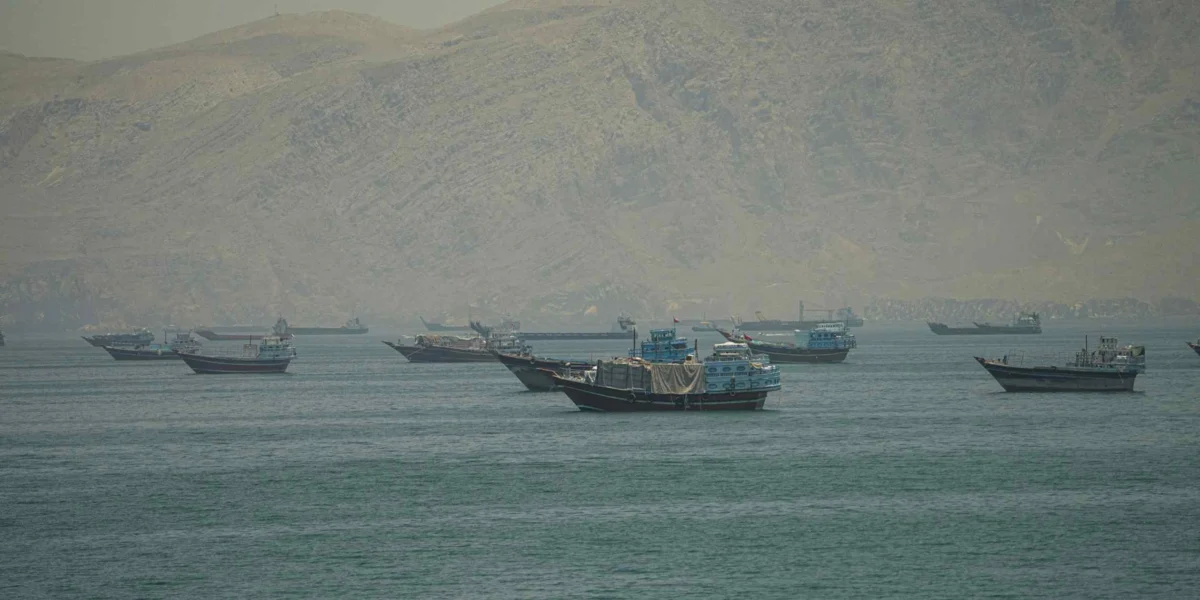
The Strait of Hormuz, a narrow waterway connecting the Persian Gulf to the Gulf of Oman, is one of the most strategically important maritime chokepoints in the world. Approximately 20-30% of the world’s seaborne oil trade passes through this strait daily, making it a critical artery for global energy supply. The ongoing conflict has severely disrupted traffic through this vital passage, leading to increased transit times, heightened security risks, and consequently, soaring insurance premiums for vessels. The visual of traffic at the Strait remaining quiet, as depicted in accompanying imagery, is a deceptive calm; the reduction in volume signifies a deliberate avoidance by many shipping companies due to the inherent dangers and prohibitive costs associated with transiting the area.
Japanese Energy Imports: A Stark Decline
The Nikkei analysis indicates that Japanese crude oil imports, which historically relied heavily on supplies from the Middle East, have contracted by approximately 48% in the months following the U.S. military intervention in Iran. This dramatic reduction is not merely a consequence of Iran’s own reduced export capacity, but also reflects a broader recalibration of global oil flows and the strategic decisions made by major importers like Japan to diversify their sources and mitigate risk.
Prior to the conflict, Japan, as the world’s third-largest oil consumer, imported a substantial portion of its crude from the Persian Gulf. The disruption has forced Japanese refiners and energy companies to seek alternative suppliers in regions such as North America, Africa, and other parts of Asia. However, these alternative sources often come with higher transportation costs and may not be able to fully compensate for the volume lost from the Middle East.
Supporting Data and Economic Ramifications
Official data from Japan’s Ministry of Economy, Trade and Industry (METI) corroborates the Nikkei findings. In the first quarter of 2026, crude oil imports fell by over 30% compared to the same period in 2025. By April and May, this figure had widened to the nearly 50% reduction observed in the Nikkei analysis. This decline has a cascading effect on the Japanese economy:
- Rising Energy Costs: While global oil prices have seen volatility, the increased cost of sourcing oil from more distant or less established suppliers, coupled with the premiums for navigating conflict zones, has driven up domestic energy prices. This impacts everything from transportation costs to industrial production.
- Industrial Output Concerns: Industries heavily reliant on oil-based feedstocks, such as petrochemicals and manufacturing, are facing increased operational costs and potential production slowdowns. Companies are being forced to pass these costs onto consumers, contributing to inflationary pressures.
- Energy Security Strategy Re-evaluation: The current crisis has served as a stark wake-up call for Japan, prompting a renewed focus on accelerating its transition to renewable energy sources and strengthening its strategic petroleum reserves. The nation is also exploring increased energy cooperation with countries in Southeast Asia and Oceania to build more resilient supply chains.
Global Market Reactions and Broader Implications
The impact of the Iran conflict and the subsequent reduction in Japanese imports is not isolated. Globally, oil prices have experienced significant upward pressure, despite attempts by other major oil-producing nations to increase output. The uncertainty surrounding the duration and potential escalation of the conflict continues to weigh on market sentiment.
- OPEC+ Response: The Organization of the Petroleum Exporting Countries and its allies (OPEC+) have faced immense pressure to increase production to stabilize the market. While some members have marginally increased output, geopolitical considerations and existing production capacities limit their ability to fully offset the lost supply from the Persian Gulf.
- Strategic Petroleum Reserves: Several countries, including the United States and members of the International Energy Agency (IEA), have considered or initiated releases from their Strategic Petroleum Reserves (SPR) to temper price spikes and ensure market stability. However, SPR releases are generally viewed as short-term measures and cannot substitute for sustained supply.
- Geopolitical Realignment: The conflict has also led to a reassessment of international alliances and energy partnerships. Nations are seeking to reduce their dependence on volatile regions and forge stronger ties with more stable energy suppliers, potentially reshaping the global geopolitical landscape in the long term.
Official Responses and Policy Adjustments
Governments and international organizations are grappling with the multifaceted implications of the conflict.
- Japanese Government: METI has convened emergency meetings with major energy companies to assess the impact on domestic supply and explore immediate relief measures. The government has pledged to accelerate investments in renewable energy infrastructure and explore new diplomatic avenues to de-escalate regional tensions. "Our priority is to ensure the stable supply of energy for our industries and households," stated a METI spokesperson. "We are actively pursuing diversification of energy sources and enhancing our national energy security."
- International Energy Agency (IEA): The IEA has issued statements calling for restraint from all parties involved in the conflict and emphasizing the need for unimpeded access to global energy markets. The agency is monitoring the situation closely and coordinating with member states on potential responses to maintain market stability.
- United States and Allies: The U.S. Department of Energy has highlighted the resilience of the global energy market, while acknowledging the challenges posed by the conflict. The administration has emphasized its commitment to working with international partners to ensure adequate supply and is continuing to explore diplomatic solutions to end the hostilities.
Analysis of Long-Term Implications
The significant drop in Japanese crude oil imports is a potent indicator of the profound and lasting economic consequences of the U.S.-Iran conflict. This disruption highlights the inherent vulnerability of economies heavily dependent on fossil fuels from geopolitically sensitive regions. The forced diversification of energy sources, while costly in the short term, may accelerate the global transition towards cleaner and more sustainable energy alternatives.
Furthermore, the conflict is likely to spur increased investment in domestic energy production and exploration in non-traditional regions. The strategic importance of securing reliable energy supplies will undoubtedly shape international trade agreements and geopolitical alliances for years to come. The heightened risk associated with maritime trade routes, particularly through the Strait of Hormuz, may lead to permanent shifts in shipping patterns and the development of alternative transportation infrastructure.
The economic fallout, as evidenced by Japan’s import figures, serves as a critical case study in the interconnectedness of global energy markets and the far-reaching impact of geopolitical instability. The world watches closely as nations navigate this complex energy crisis, seeking to balance immediate supply needs with the imperative of long-term energy security and the transition to a more sustainable future. The quiet seen at the Strait of Hormuz is not a sign of peace, but a stark illustration of a vital global artery choked by conflict, with significant economic repercussions rippling across the globe, impacting nations like Japan most acutely. The long-term implications of this disruption will continue to unfold, shaping energy policies and international relations for the foreseeable future.
