


The Federal Reserve maintained its restrictive monetary policy on Wednesday, opting to keep the benchmark federal funds target rate unchanged at 3.50% to 3.75%. This decision marks the second consecutive Federal Open Market Committee (FOMC) meeting without an adjustment to borrowing costs, following a series of three rate cuts implemented last year. The cryptocurrency market, particularly Bitcoin, is navigating a complex economic landscape characterized by persistent inflation, a decelerating job market, and escalating geopolitical tensions in the Middle East, all of which are influencing investor sentiment and asset valuations.
Bitcoin experienced a notable price dip in the immediate aftermath of the Federal Reserve’s announcement. According to data from Bitcoin Magazine Pro, the digital asset traded around $70,500, reflecting a 3.6% decline over the preceding 24-hour period. This pullback comes after a period of renewed optimism, during which Bitcoin had briefly approached $76,000 last week, its highest point in over a month. However, investor sentiment appears to be recalibrating as market participants digest recent inflation data and weigh the growing uncertainties stemming from global events.
The FOMC’s internal deliberations revealed a division among voting members for the sixth consecutive policy meeting. Eleven members supported the decision to hold interest rates steady, while Fed Governor Stephen Miran dissented, advocating for a 25-basis-point reduction in the federal funds rate. This divergence in opinion underscores the nuanced economic data and the differing interpretations among policymakers regarding the appropriate path forward for monetary policy.
In its official statement, the FOMC acknowledged that "inflation remains somewhat elevated" and noted that job gains, while still occurring, have moderated. The unemployment rate, a key indicator of labor market health, saw a slight increase to 4.4% in February. The central bank reiterated its commitment to a data-dependent approach, emphasizing that future monetary policy adjustments will be guided by incoming economic information. This suggests a cautious stance, with policymakers looking for sustained evidence of disinflation and continued strength in the labor market before considering any policy easing.
The backdrop against which the Federal Reserve made its decision is fraught with significant global developments. The ongoing conflict involving the United States, Israel, and Iran has contributed to a surge in energy prices, a critical component of inflationary pressures. On Wednesday, reports of an Israeli strike on the South Pars gas field in Iran coincided with a decline in Bitcoin prices, mirroring a broader downturn in U.S. equity markets. This correlation highlights the interconnectedness of global financial markets and the immediate impact of geopolitical events on investor risk appetite.
The FOMC statement directly addressed these concerns, stating, "Uncertainty about the economic outlook remains elevated." The committee explicitly acknowledged the unpredictable nature of the situation, noting, "The implications of developments in the Middle East for the U.S. economy are uncertain." This acknowledgment suggests that the Fed is closely monitoring the situation and factoring potential economic fallout into its policy considerations.
Federal Reserve Chair Jerome Powell elaborated on the implications of rising energy prices during a subsequent press conference. He pointed out that "near-term measures of inflation expectations have risen in recent weeks, likely reflecting the substantial rise in oil prices caused by the supply disruptions in the Middle East." Powell cautioned that it remains "too soon to know" the full economic impact of the conflict, emphasizing that policymakers will continue to monitor data closely. This indicates a watchful waiting approach, with the Fed prepared to react if these energy price shocks translate into more persistent inflationary pressures or broader economic instability.
Bitcoin Price Reacts to Tariffs, Rate Expectations
Powell also shed light on the influence of tariffs on consumer prices, remarking that "some big chunk of that, between a half and three-quarters, is actually tariffs." This observation points to a significant domestic factor contributing to inflationary pressures, separate from global supply chain disruptions or geopolitical events. The mention of tariffs underscores the complexity of the inflation puzzle, where multiple drivers are at play, making it challenging for policymakers to isolate and address specific causes.
The Federal Reserve Chair described the current federal funds rate range as being within "neutral territory," a level intended to neither stimulate nor restrict economic growth. He also underscored the fundamental importance of central bank independence in achieving its dual mandate of price stability and maximum employment. "Independence is what allows us to do our jobs, and stable prices is half of our mandate, it’s one of our two mandates — maximum employment being the other," Powell stated, reinforcing the Fed’s commitment to its core objectives.
Historically, Bitcoin price markets have demonstrated a discernible sensitivity to interest rate expectations. Periods of lower interest rates tend to make riskier assets, including cryptocurrencies, more attractive to investors seeking higher yields compared to traditional fixed-income investments. Conversely, when interest rates are high or expected to remain elevated, the opportunity cost of holding non-yielding or volatile assets like Bitcoin increases, potentially leading to reduced demand.
Analysts suggest that the confluence of several factors has prompted a reassessment of risk exposure among investors, contributing to Bitcoin’s recent price movements. The persistent threat of higher energy costs, coupled with ongoing inflation concerns and the pervasive geopolitical uncertainty, has led some investors to reduce their allocations to assets perceived as riskier. This risk-off sentiment can manifest as a flight to perceived safe-haven assets or a general reduction in speculative investments.
The impact of these global events on commodity markets is also evident. Oil prices continued their upward trajectory on Wednesday, with Brent crude rising by 3.8% to $107.38 per barrel following the reported attack on the South Pars field. This surge in oil prices has broader implications for inflation, transportation costs, and consumer spending, creating a ripple effect across the global economy.
Despite the recent price correction, Bitcoin remains a significant asset class for many investors. For now, the cryptocurrency is trading above the $70,000 mark and has managed to record gains of 1.6% over the past week. Traders and market participants are keenly observing any further signals from Federal Reserve officials or new economic data releases that could provide clarity on the future trajectory of monetary policy. The Fed’s future actions, particularly any indication of potential rate cuts or further tightening, will likely continue to be a dominant factor influencing Bitcoin’s price.
Broader Economic Context and Policy Outlook
The Federal Reserve’s decision comes at a critical juncture for the U.S. economy. While inflation has shown some signs of moderation from its peak, it remains above the Fed’s 2% target. The labor market, though still robust by historical standards, has shown signs of cooling, with the unemployment rate ticking up. This creates a delicate balancing act for policymakers: tightening too aggressively risks triggering a recession, while easing too soon could reignite inflationary pressures.
The FOMC’s commitment to a data-dependent approach means that upcoming economic reports, including the Consumer Price Index (CPI) and Producer Price Index (PPI) for inflation, as well as monthly employment figures, will be scrutinized intensely. Any significant deviations from expectations could alter the market’s perception of the Fed’s future policy path.
The Federal Reserve’s current stance reflects a period of transition. After an aggressive rate-hiking cycle aimed at combating high inflation, the Fed has shifted to a pause to assess the cumulative effects of its actions on the economy. The ongoing debate within the FOMC about the appropriate timing and pace of potential rate cuts highlights the complexity of the current economic environment.
The influence of external factors, such as geopolitical events and global supply chain dynamics, adds another layer of complexity. Policymakers must navigate these unpredictable elements while adhering to their mandate of achieving sustainable economic growth and price stability. The interconnectedness of the global economy means that events far beyond U.S. borders can have tangible impacts on domestic inflation and economic activity.
The discussion around potential leadership changes at the Federal Reserve also adds a dimension of uncertainty. Fed Chair Jerome Powell’s term is set to conclude in May, with former Fed Governor Kevin Warsh reportedly being considered as a potential successor. Powell has indicated his intention to remain on the Board of Governors until any investigations are concluded, suggesting a desire for transparency and finality. However, any change in leadership could introduce new perspectives and priorities into the Federal Reserve’s monetary policy decision-making process.
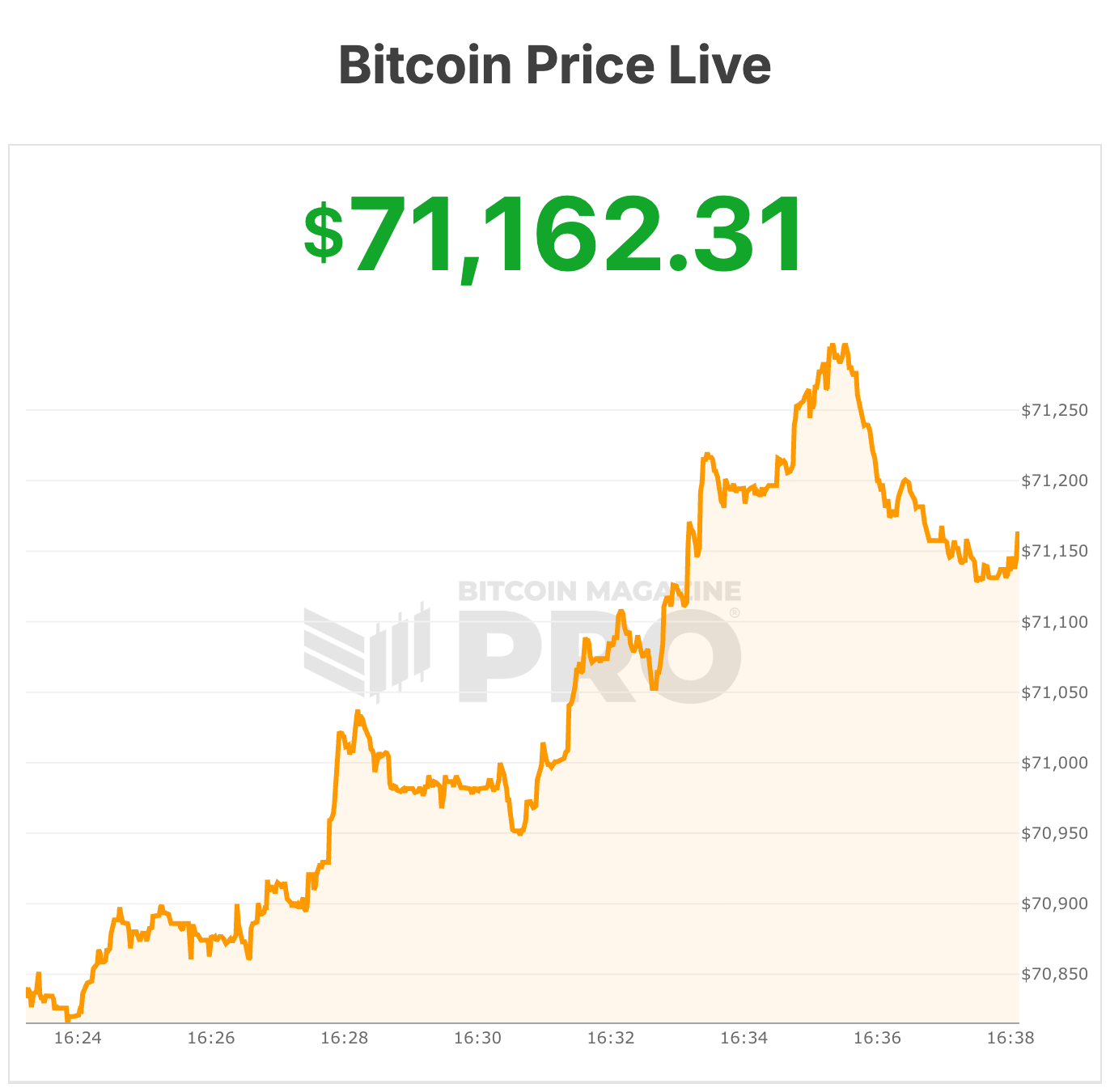
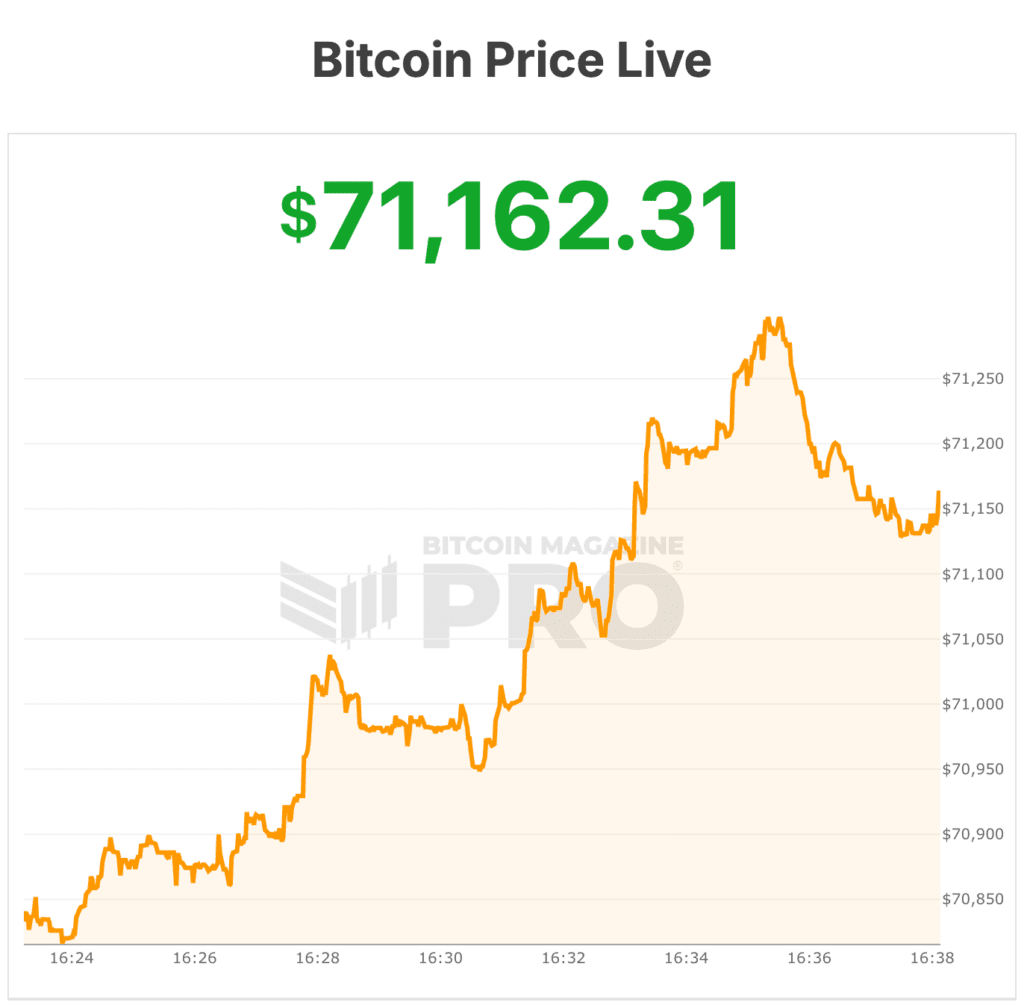
At the time of this report, the price of Bitcoin hovered slightly above $71,000, indicating a degree of resilience despite the recent headwinds. The market continues to digest the Federal Reserve’s pronouncements, global economic data, and ongoing geopolitical developments, all of which will shape the price action of this prominent digital asset in the coming weeks and months. The interplay between macroeconomic policy, global events, and the evolving landscape of digital assets remains a key focus for investors and analysts alike.
