

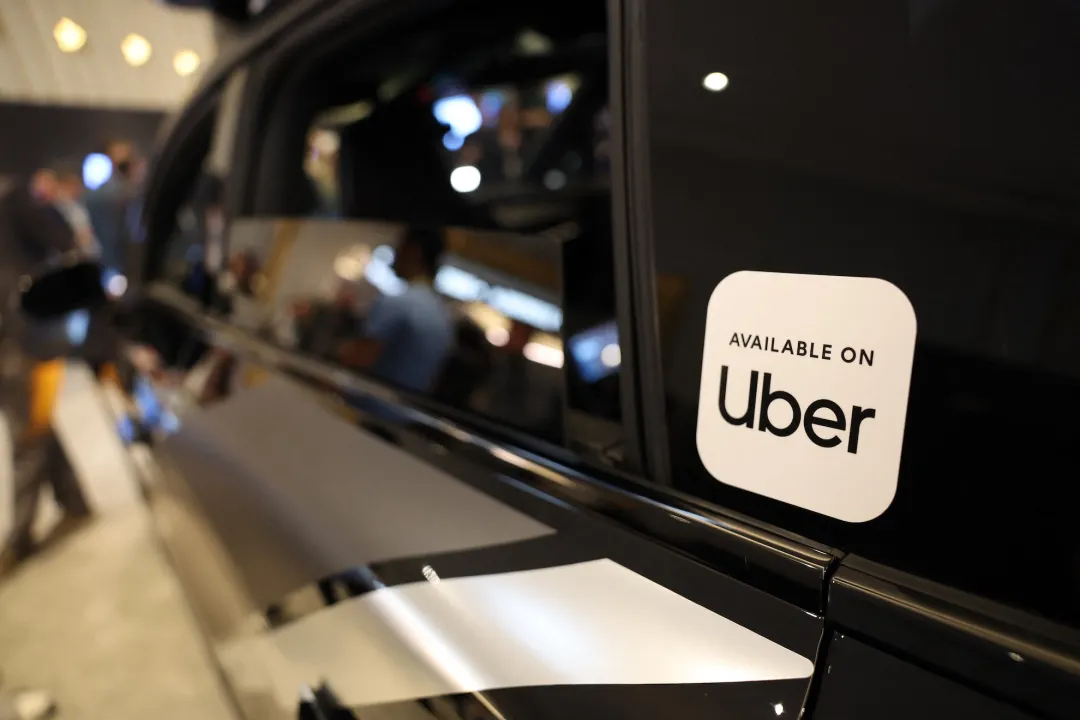
Uber has quietly launched a new pilot program, "Uber Kids," extending its ride-hailing services to children as young as 10 years old in three strategic U.S. cities: Austin, Texas; Nashville, Tennessee; and Madison, Wisconsin. This initiative represents a significant expansion of the company’s customer base, building upon its existing "Uber for Teens" service, which caters to passengers aged 13 to 17. The program, rolled out over the past few weeks, aims to test the viability and market demand for transporting unaccompanied tweens, potentially unlocking a substantial and lucrative market segment comprised of busy families seeking reliable and supervised transportation solutions for their active children.
Background and Context: The Evolution of Ride-Hailing for Minors
The move into the younger demographic signifies Uber’s strategic pivot towards becoming a comprehensive family mobility platform, rather than solely an adult ride-hailing service. For years, Uber’s terms of service strictly prohibited unaccompanied minors from using its platform. However, societal shifts, characterized by an increasing number of dual-income households and the growing prevalence of extracurricular activities for children, have created a clear demand for safe, on-demand transportation for younger individuals. Parents, often juggling demanding work schedules and complex logistical challenges, frequently seek reliable alternatives to traditional carpooling or school buses.
Uber’s initial foray into the minor transportation market began with early pilots for teenagers several years ago, culminating in the nationwide launch of "Uber for Teens" in 2023. This service, which allowed parents to arrange rides for their 13- to 17-year-olds through family profiles, laid the groundwork for the current expansion. Key safety features, such as live video streaming for parents and PIN verification, were integral to the teen service and have been further refined and implemented in the "Uber Kids" program, reflecting the heightened safety requirements associated with transporting younger children. The company’s incremental approach, starting with older minors and gradually moving to younger age groups, suggests a careful and data-driven strategy to address safety concerns and build parental trust.
The "Uber Kids" Program: Mandates and Mechanics
The "Uber Kids" program is distinguished by a stringent set of mandatory requirements designed to ensure the safety and accountability of all parties involved: parents, children, and drivers. These protocols underscore Uber’s recognition of the unique vulnerabilities associated with transporting minors and its efforts to mitigate potential risks.
For parents or guardians, the process begins with adding their child to a designated family profile within the Uber application. A mandatory onboarding process is then required, which thoroughly explains the built-in safety features and operational guidelines of the program. Critically, parents or guardians are the sole individuals authorized to order a ride for their child. Furthermore, a parent or guardian must be physically present at the designated pickup location for the trip to commence, providing a crucial point of contact and verification at the outset of each journey. Before the ride begins, parents are also required to provide a clear note to the driver detailing specific drop-off instructions, ensuring clarity and minimizing potential confusion. Each "Uber Kids" trip also necessitates PIN verification, a safeguard designed to confirm that the child is entering the correct vehicle with the assigned driver.
On the driver’s side, participation in the "Uber Kids" program is by invitation only, extended exclusively to highly-rated drivers who have demonstrated a consistent record of excellent service and safety. These eligible drivers are mandated to complete a specialized education module that provides step-by-step instructions specific to transporting minors. A cornerstone of the program’s safety architecture is the requirement for participating drivers to opt into live video streaming. This feature allows parents to monitor the entire trip in real-time through their Uber app, offering unparalleled transparency and peace of mind. Uber has assured that all recordings from these trips will be encrypted, ensuring privacy, and crucially, will not be accessible to the driver. Complementing the video streaming, Uber utilizes an array of sensors and GPS data to continuously monitor the ride’s progress, detecting any deviations from the planned route, unexpected stops, or premature terminations of the trip, triggering alerts if anomalies occur.
Driver Perspectives: Balancing Responsibility and Reward
The additional responsibilities and scrutiny inherent in the "Uber Kids" program necessitate a commensurate incentive for drivers. Uber acknowledges this by offering a significant pay bump for eligible drivers who choose to participate. According to information detailed on the dedicated Uber Kids web page, participating drivers will earn an additional $7 on every "Uber Kids" trip compared to a standard Uber ride. To further encourage participation and initial engagement, drivers will also receive an extra $20 bonus for their very first "Uber Kids" ride completed.
This enhanced compensation package underscores a key challenge for Uber: convincing its independent contractor drivers to embrace the added layer of responsibility and the intensive safety protocols associated with transporting young children. While the financial incentive is clear, drivers must weigh it against factors such as the potential for more demanding passengers, the requirement for live video streaming (which some might find intrusive, despite the encryption and lack of driver access), and the increased liability associated with minors. The selection of "highly-rated" drivers suggests an attempt to onboard those already demonstrating professionalism and reliability, but maintaining a sufficient pool of willing and qualified drivers will be critical to the program’s scalability and success.
Market Potential and Competitive Landscape
The "tween" demographic, generally encompassing children aged 8 to 12, represents a largely untapped yet potentially highly lucrative market segment for on-demand transportation. According to U.S. Census Bureau data, there are approximately 12-13 million children in the 10-12 age range in the United States. Many of these children are engaged in a multitude of extracurricular activities—sports practices, music lessons, academic tutoring, and social gatherings—which often require transportation outside of regular school hours. For families where both parents work or where caregivers have multiple children with conflicting schedules, managing these logistics can be a significant source of stress and time constraint.
This unmet demand has already fostered the growth of specialized transportation services for children. Companies like HopSkipDrive and Zum have carved out niches in this market, focusing explicitly on providing safe, supervised rides for minors. HopSkipDrive, for instance, emphasizes its rigorous 15-point certification process for drivers, which includes background checks, fingerprinting, and prior experience with children. Zum offers a similar service, integrating carpool options and activity planning. These companies have demonstrated the viability of the market, collectively raising hundreds of millions in funding and expanding their operations across numerous cities.
Uber’s entry into this space, particularly with its vast existing network of drivers, established brand recognition, and advanced technological infrastructure, poses a formidable challenge to these incumbent services. While HopSkipDrive and Zum have built trust through their specialized focus, Uber’s scale could allow it to offer greater availability and potentially more competitive pricing, assuming driver supply remains robust. The pilot nature of "Uber Kids" allows Uber to gather data, refine its service, and assess the market’s response before a broader rollout, strategically positioning itself to potentially dominate this burgeoning sector of urban mobility.
Safety and Regulatory Considerations: A Paramount Concern
The decision to transport unaccompanied minors, especially those as young as 10, inevitably raises significant safety and regulatory concerns. Child safety advocates and parents alike often express apprehension regarding the well-being of children in unsupervised environments or with unfamiliar adults. Uber’s comprehensive suite of safety features—including live video streaming, PIN verification, GPS tracking, and stringent driver vetting—is a direct response to these anxieties. The company’s proactive communication regarding these measures aims to build confidence and differentiate its service from potential risks.
However, beyond technological safeguards, the human element remains crucial. The effectiveness of background checks, the consistency of driver training, and the responsiveness of Uber’s support systems in emergency situations will be under intense scrutiny. Regulatory bodies, particularly at the state and local levels, may also take a keen interest in the "Uber Kids" program. While ride-hailing services for adults are generally regulated under specific transportation network company (TNC) laws, the transportation of minors could introduce additional requirements, potentially aligning more closely with regulations governing school bus operators or childcare providers. Issues such as mandatory fingerprint-based background checks, specific vehicle safety standards, and age-appropriate consent protocols could become points of discussion as the program expands.
The ethical implications of live video streaming also warrant consideration. While intended for parental peace of mind, it introduces a layer of continuous surveillance that, while consented to by the parent, involves the child. Uber’s commitment to encrypting these recordings and preventing driver access is a step towards addressing privacy concerns, but the broader societal implications of such widespread monitoring of children’s movements may invite ongoing debate.
Pilot Program: Scope, Future, and Implications
Uber has explicitly described "Uber Kids" as a "limited pilot program," a common strategy for technology companies to test new services, gather user feedback, and refine operational models before committing to a broader rollout. This means the program may not expand beyond Austin, Nashville, and Madison, or it could even be discontinued if it does not meet Uber’s performance or safety benchmarks. The choice of these specific cities—Austin as a tech-forward, rapidly growing urban center; Nashville as a major cultural hub; and Madison as a mid-sized, family-oriented city—likely reflects a desire to test the program in diverse demographic and logistical environments.
The data collected during this pilot will be instrumental in determining the program’s future. Uber will analyze key metrics such as rider demand, driver availability, trip completion rates, customer satisfaction (from both parents and drivers), and, most importantly, safety incident rates. Should the pilot prove successful, demonstrating both market demand and the efficacy of its safety protocols, "Uber Kids" could see a nationwide expansion, and potentially even international deployment.
The implications of a successful and widespread "Uber Kids" program extend beyond Uber’s bottom line. It could fundamentally alter how families manage their daily logistics, offering unprecedented flexibility and convenience. For children, it could mean greater independence in pursuing extracurricular interests. For urban planners, it could contribute to shifts in traffic patterns and demand for various transportation modes. Ultimately, "Uber Kids" represents not just a new service offering, but a significant step in the ongoing evolution of the gig economy and its increasing integration into the fabric of daily family life, necessitating a continuous balance between innovation, convenience, and paramount safety.
