

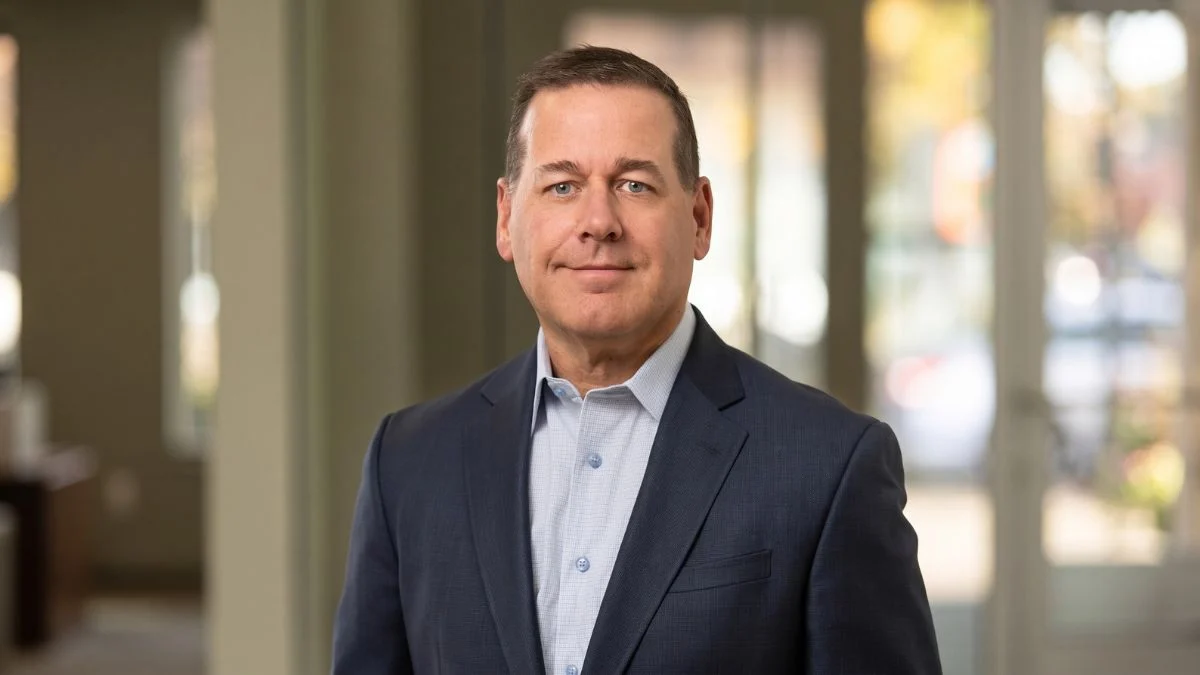
The landscape of American residential construction is undergoing a fundamental transformation, driven by a convergence of legislative reform, technological advancement, and a critical need for attainable housing. At the center of this shift is Villa, a California-based offsite construction firm that recently signaled its intentions for aggressive expansion by appointing David Messenger, the former Chief Financial Officer of Century Communities, as its new Chief Executive Officer. This leadership transition comes at a pivotal moment for the industry, following the passage of the 21st Century ROAD to Housing Act, a piece of legislation that experts believe could dismantle decades-old barriers to manufactured housing and catalyze a new era of urban infill development.
Since its inception in 2019, Villa has positioned itself as a specialist in the "hidden-in-plain-sight" solutions to the national housing shortage. The company began its journey focused on Accessory Dwelling Units (ADUs), capitalizing on California’s aggressive legislative push to ease zoning restrictions on secondary backyard homes. However, the company has rapidly evolved, delivering over 425 homes across three distinct verticals: manufactured single-family communities, ADUs on single-family lots, and ADUs integrated into existing multifamily developments. The hire of Messenger, who spent a decade at one of the nation’s top ten production homebuilders, represents a bridge between traditional high-volume construction and the emerging world of factory-built housing.
A Strategic Pivot Toward Industrialized Construction
For David Messenger, the move from Century Communities—a powerhouse in the traditional stick-built sector—to Villa is more than a career change; it is a strategic bet on the future of how homes are delivered in high-cost markets. During his tenure at Century Communities, Messenger oversaw the financial operations of a company that delivered thousands of homes annually across the United States. His transition to Villa suggests that the principles of "production homebuilding"—standardization, repeatable processes, and economies of scale—are finally being successfully applied to the offsite sector.
In a recent interview, Messenger emphasized that the country’s dire need for attainable housing was a primary motivator for his move. In markets like Santa Rosa, California, where the median home price hovers around $705,000, Villa’s Acacia Village community offers homes starting at $620,000. While a $85,000 difference may seem modest in the context of Northern California real estate, it represents a significant threshold for middle-income buyers who have been priced out of the traditional market.
Messenger’s vision for Villa involves transforming the company into a "machine" of predictability. Traditional site-built construction is notoriously susceptible to delays caused by weather, local labor shortages, and supply chain inconsistencies. By moving the vast majority of the construction process into a controlled factory environment, Villa aims to mitigate these risks. Messenger’s goal is to establish standardized processes that can be replicated across every unit and every lot, ensuring that the growth of the business is not hampered by the inherent chaos of the traditional job site.

The Legislative Catalyst: Dismantling the Chassis Requirement
The momentum behind Villa and the broader offsite construction industry received a massive boost this summer with the passage of the 21st Century ROAD to Housing Act. For decades, the manufactured housing industry was governed by a Department of Housing and Urban Development (HUD) requirement that all manufactured homes be built on a permanent steel chassis. This rule was a relic of an era when manufactured homes were viewed primarily as mobile units rather than permanent residences.
The chassis requirement imposed significant design limitations. It restricted homes to single-story configurations and dictated certain aesthetic markers that often made manufactured homes stand out—often negatively—in traditional neighborhoods. The ROAD Act’s removal of this requirement is a game-changer. By allowing manufactured homes to be built without a permanent steel base, the industry can now produce multi-story designs that are indistinguishable from site-built homes.
This change has profound implications for urban infill. In high-density areas where land is at a premium, the ability to build upward rather than just outward is essential for economic feasibility. The U.S. Department of Housing and Urban Development is currently finalizing the action plan for "chassis-free" construction, a move that is expected to open up thousands of lots that were previously unsuitable for manufactured housing due to zoning or design constraints. The significance of this change was highlighted when The New York Times designated "chassis" as its word of the day in November 2024, reflecting the growing public and professional awareness of this technical but transformative shift.
Expansion into Single-Family Communities and Disaster Recovery
While ADUs remain a core component of Villa’s business, the company is increasingly focusing on larger-scale projects. In Northern California, Villa is currently developing 25 homes in Santa Rosa, a city that has struggled with housing inventory since the devastating wildfires of 2017. Further east, the company is constructing 14 duplexes in Westminster, Colorado, showcasing its ability to adapt to different regulatory environments and climates.
One of Villa’s most poignant current projects is in Altadena, California, where the company is assisting in the rebuilding efforts following the 2025 Eaton Fire. Disaster recovery is an area where offsite construction excels; the speed of factory production allows displaced families to return to permanent housing much faster than traditional construction methods allow. By leveraging a network of third-party production facilities in California, Colorado, Nebraska, and New Mexico, Villa can scale its output without the massive capital expenditure required to own and operate its own factories. This "asset-light" model allows the company to remain nimble and avoid the capacity bottlenecks that have plagued other startups in the modular space.
The "Takeout" Model: Partnering with Land Developers
A key element of Messenger’s growth strategy is a shift in how Villa interacts with land. Rather than taking on the high-risk, long-timeline tasks of land acquisition, entitlement, and infrastructure development, Villa plans to partner with professional land developers. Under this "takeout" model, a developer handles the initial stages of preparing a site. Once the lots are fully entitled and finished, Villa steps in to purchase the lots and place the homes.

This strategy minimizes Villa’s exposure to "entitlement risk"—the often-unpredictable process of obtaining local government approvals for a project. For land developers, the partnership offers a guaranteed exit strategy. They can focus on their core competency of land preparation, knowing that Villa provides a ready buyer for the finished lots. Messenger believes this collaborative approach will allow Villa to scale to communities of 100 lots or more, significantly increasing the company’s impact on regional housing supplies.
Economic Implications and Market Reaction
The broader economic context supports the expansion of companies like Villa. The United States faces a housing deficit estimated at between 4 million and 7 million units. At the same time, the construction industry is grappling with a chronic labor shortage, as older tradespeople retire and fewer young workers enter the field. Offsite construction addresses both issues by increasing productivity per worker and utilizing a more stable, indoor labor force.
Industry analysts have reacted positively to the appointment of a CFO-turned-CEO in this sector. "The offsite industry has historically struggled with the ‘valley of death’—the gap between innovative prototypes and profitable, high-volume production," noted one housing economist. "Bringing in a veteran from a top-tier production builder like Century Communities suggests that Villa is moving past the experimental phase and into the execution phase."
Furthermore, the multifamily sector is increasingly viewing ADUs as a viable "value-add" strategy. By placing manufactured units on underutilized land within existing apartment complexes—such as excess parking areas or large landscaped zones—multifamily operators can increase their rental income with relatively low incremental costs. Villa’s ability to navigate the complexities of both single-family and multifamily regulations positions it as a versatile partner for institutional real estate investors.
Conclusion: A New Blueprint for American Housing
As the U.S. Department of Housing and Urban Development finalizes the rules surrounding the ROAD Act, the industry is bracing for a surge in demand. The removal of the chassis requirement, combined with the leadership of experienced executives like David Messenger, suggests that the stigma surrounding manufactured housing is rapidly eroding.
Villa’s trajectory from a small ADU startup to a multi-state developer of single-family communities and multifamily enhancements reflects a broader shift in the American housing blueprint. By focusing on repeatable processes, strategic land partnerships, and legislative advocacy, the company is not just building homes; it is helping to define a more efficient, attainable, and scalable model for 21st-century living. In the high-stakes battle against the housing affordability crisis, the "machine" that Messenger and Villa are building may well become a primary engine of growth for the industry at large.
