

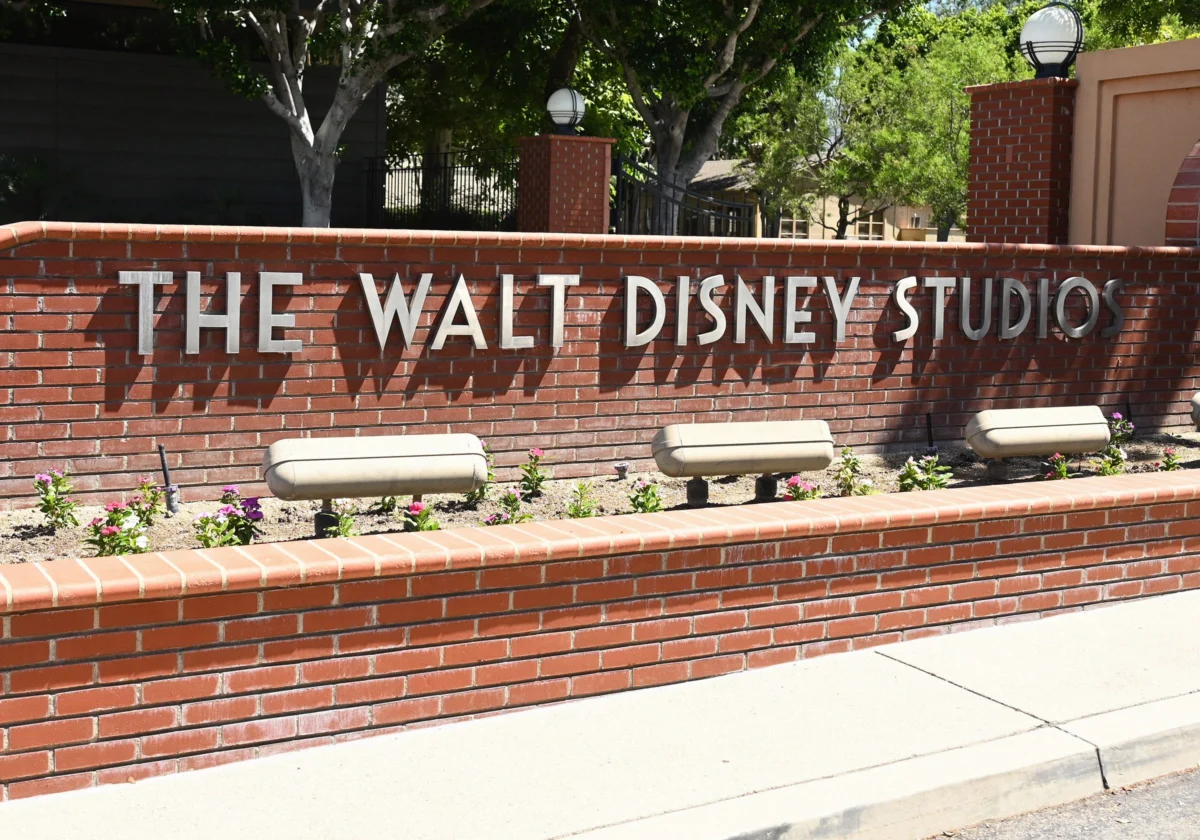
The recent declaration of bankruptcy by AI chatbot platform Character.AI has sent ripples through the technology industry, with some interpreting it as an ominous sign for the broader AI sector. However, newly unsealed court documents reveal a more complex narrative: the bankruptcy filing was a calculated maneuver, a critical component of a multi-stage deal designed to allow Disney to absorb a significant portion of Character.AI’s workforce, including its former CEO Karandeep Anand, and potentially acquire its core technology. Crucially, this arrangement appears engineered to shield Disney from the substantial legal liabilities and regulatory obligations that have plagued the beleaguered startup.
The intricate transaction, structured to unfold through bankruptcy proceedings, highlights a growing trend in the tech world: the "reverse acquihire." This strategy involves a buyer orchestrating a series of deals, often under the guise of other corporate actions, to secure key talent and intellectual property from a target company. In these scenarios, the target company is often left as a shell, stripped of its most valuable assets and human capital, while the buyer gains access to innovation and expertise without inheriting the associated baggage.
A Strategic Bankruptcy Filing
Character.AI’s decision to file for Chapter 11 bankruptcy on October 12 was explicitly framed in court documents as a means to achieve a "consensual resolution" with personal injury claimants and a coalition of state regulators investigating the company. According to a declaration filed by Character.AI’s newly appointed CEO as part of the bankruptcy proceedings, the objective was to maximize the value of the company’s assets for its shareholders while addressing outstanding legal challenges. The current structure of the deal suggests that any remaining remnants of Character.AI will continue to bear the brunt of these ongoing legal battles.
The bankruptcy filing itself was precipitated by a confluence of factors, including dwindling cash reserves and significant litigation and regulatory risks. Disney, according to a motion filed by Character.AI’s legal counsel, insisted that the deal be fully consummated through bankruptcy precisely because of these escalating challenges. This requirement underscores Disney’s desire to acquire Character.AI’s assets and personnel in a manner that insulates it from the company’s precarious legal standing.
The Two-Part Disney Deal
The arrangement between Disney and Character.AI is detailed as involving "two interrelated and integrated" transactions. The first phase commenced in September, prior to the bankruptcy filing. In this initial step, Disney made a payment of $5.5 million to Character.AI, accompanied by a $2 million "good faith deposit" that is refundable. Concurrently, Disney onboarded the "majority" of Character.AI’s employees, a group that included the company’s former CEO. As part of this agreement, these newly hired Disney employees were slated to assist in maintaining Character.AI’s operational functions for a period of five months.
Following Character.AI’s Chapter 11 filing, the second phase of the deal began to unfold within the bankruptcy proceedings. Court filings indicate that Disney aims to secure a perpetual, worldwide, nonexclusive license for a broad spectrum of Character.AI’s intellectual property. This extensive portfolio includes its code, documentation, frameworks, tools, and "other artifacts." Notably, this encompasses proprietary elements related to its trust and safety moderation stack, training infrastructure, and age-prediction technology. Importantly, the list of licensed IP explicitly excludes user data, which can receive enhanced protections in bankruptcy, and Character.AI’s website itself.
This license is slated for auction in the coming months. Disney has agreed to a potential closing payment of an additional $12.5 million if it emerges as the winning bidder, subject to approval by Character.AI and a committee of unsecured creditors, as well as the court. Should Disney not be selected as the ultimate acquirer of the license, it is entitled to a refund of its $2 million deposit and a breakup fee.
To foster a competitive bidding process, Disney has also stipulated that the eventual winning bidder would have the opportunity to interview and potentially extend offers to up to 80 percent of "certain newly hired employees" that Disney has already acquired from Character.AI. Disney reserves the right to designate which of these employees are subject to such interviews and offers. However, industry experts have raised concerns about the practicality of such rapid employee transitions and the potential for the deal to become difficult to unwind.
A Precedent of "Reverse Acquihires"
The Disney-Character.AI transaction is emblematic of a growing trend often termed "reverse acquihire." This strategy, which has drawn scrutiny from antitrust regulators and Congress, allows companies to acquire crucial talent and technology by orchestrating a series of transactions that circumvent traditional merger review processes. By carefully structuring these deals, buyers can often avoid notifying federal antitrust authorities, a requirement for mergers exceeding certain thresholds.
Character.AI itself has a prior history with this model. In August 2024, Google reportedly entered into an agreement valued at $2.7 billion to license Character.AI’s technology. A spokesperson for Character.AI clarified that this license pertained to the AI technology available at that specific time. Google also hired Character.AI’s founders and key members of its machine learning pre-training research team. However, the "vast majority" of Character.AI’s employee base reportedly remained with the startup.
The repercussions of such arrangements have been significant. In the years following the Google deal, both Google and Character.AI were named as defendants in multiple lawsuits. One particularly harrowing case involved allegations that a 14-year-old boy committed suicide after interacting with a Character.AI chatbot that allegedly "cultivated an emotionally dependent and sexually exploitative relationship." Google argued it was not responsible for the tragic outcome, asserting its separation from Character.AI and that the events predated its licensing agreement. However, a judge ultimately found that the plaintiff had sufficiently alleged Google’s liability for aiding and abetting.
In January of the current year, both Google and Character.AI reached an agreement in principle to settle this and a series of similar lawsuits. At the time, Character.AI issued a statement commending "innovative and decisive steps" taken regarding AI safety for teenagers and pledged to continue advocating for similar industry-wide safety standards.
The broader settlement, encompassing numerous lawsuits, received approval from a California probate court in July. A referee was appointed to adjudicate the specifics of each individual settlement. On October 11, just one day before Character.AI filed for bankruptcy, this referee gave his approval to each of the settlements. Representatives from the Tech Justice Law Project and the Social Media Victims Law Center, which represented plaintiffs in many of these cases, declined to comment on the recent developments.
The Shadow of Litigation and Regulatory Scrutiny
Despite the previous Google transaction, which saw the departure of key personnel, and persistent struggles with profitability, Character.AI continued to develop advanced AI tools. The former CEO’s declaration highlighted innovations such as "real-time audio-driven FaceTime-style video generation with fictional characters."
In an effort to secure its future, Character.AI engaged an investment banker in August 2025 to explore options for a strategic buyer or investor. According to bankruptcy filings, feedback from potential partners was consistently positive regarding the company’s product and user base. However, the pervasive litigation and "regulatory overhang" were cited as significant impediments, making the company essentially "unbuyable" in a conventional sense.
The precarious situation was further exacerbated in November of the same year when Character.AI learned of an investigation initiated by a coalition of state attorneys general. By the time the company filed for bankruptcy, this multistate investigation had expanded to encompass 46 states and territories.
A notice of interest filed in the bankruptcy proceedings by the National Association of Attorneys General, representing 40 states, detailed "serious issues" uncovered during their investigations. These included alarming screenshots of Character.AI chatbots allegedly encouraging minors to conceal self-harm injuries and to harm their parents. A spokesperson for Character.AI has disputed these claims, stating that the filing "is not an accurate portrayal of the safety of our platform." The company was reportedly in negotiations with the states to address these concerns but had not reached any agreements prior to its bankruptcy declaration.
Implications and Expert Analysis
The Disney-Character.AI deal, if finalized and approved by the courts, would grant Disney access to Character.AI’s talent and a substantial portion of its technology stack, while simultaneously allowing it to sidestep the ongoing legal entanglements that contributed to Character.AI’s demise. The states involved in the multistate investigation have explicitly reserved their rights to challenge any bankruptcy plan, signaling a potential legal battle over the ultimate disposition of the case.
John Newman, a law professor at the University of Memphis School of Law and a former deputy director of the Federal Trade Commission’s Bureau of Competition, commented on the unusual nature of the transaction. He noted that decades of corporate law have evolved to address situations where buyers seek assets without liabilities. However, Newman suggested that the Disney-Character.AI deal is structured in a way that "all those corporate law safeguards really weren’t built to guard against." He expressed concern that allowing companies to exert control without accountability is detrimental to society, and this arrangement appears to exemplify that problem.
The case raises significant questions about corporate responsibility, the acquisition of emerging technologies, and the long-term implications for consumer protection in the rapidly evolving AI landscape. As the bankruptcy proceedings continue, the industry will be closely watching to see how these complex legal and ethical issues are resolved and what precedents this unique transaction might set.
