

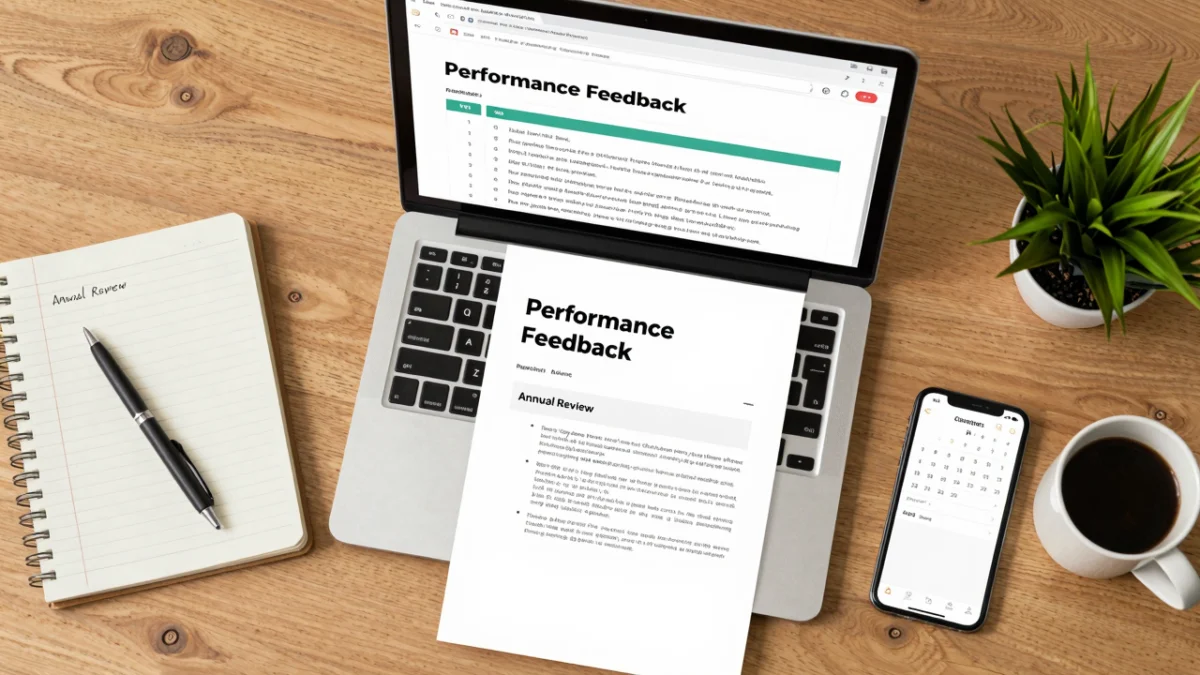
Annual performance reviews have evolved from standard administrative requirements into pivotal strategic tools that dictate the trajectory of professional growth and organizational health. In the modern corporate landscape, these evaluations serve as a bridge between individual aspirations and company-wide objectives, providing a structured environment for reflection, accountability, and forward-looking planning. According to recent industry data, approximately 75% of employees express a desire for more frequent and constructive feedback, highlighting a significant gap between traditional annual cycles and the needs of a dynamic workforce. To bridge this gap, organizations are increasingly adopting sophisticated frameworks that include goal-setting templates, detailed accomplishment lists, and multi-perspective peer feedback forms. These tools are designed to mitigate the inherent biases of subjective evaluation while fostering a culture of continuous improvement and transparent communication.

The Strategic Framework of Modern Performance Evaluations
The efficacy of an annual work review is largely determined by the preparation and the tools utilized by both the manager and the employee. At the core of a successful review is the goal-setting template. This document ensures that objectives are not merely aspirational but are grounded in the SMART (Specific, Measurable, Achievable, Relevant, and Time-bound) criteria. By defining clear parameters at the beginning of the fiscal year, employees and supervisors create a roadmap that simplifies the year-end assessment.
Complementing these templates is the accomplishment list. This document serves as a factual record of an employee’s contributions, moving beyond vague descriptions of duties to highlight specific projects, solved problems, and quantifiable impacts. For instance, an employee in a customer-facing role might document how they resolved a specific percentage of queries within a set timeframe, thereby directly contributing to increased customer satisfaction scores. The inclusion of peer feedback forms further enriches the process by providing a 360-degree view of performance. This diverse perspective is essential in modern collaborative environments where a direct supervisor may not witness every aspect of an employee’s daily interactions and teamwork.

Chronology of the Performance Management Cycle
While the "annual" review is the focal point, effective performance management is a year-long process. The chronology typically begins with the Initial Planning Phase (Month 1), where goal-setting templates are finalized and aligned with the company’s annual targets. This is followed by the Mid-Year Assessment (Months 6-7), a critical juncture that allows for course correction. Data suggests that companies utilizing mid-year check-ins see a 12% higher engagement rate among staff compared to those that rely solely on year-end meetings.
The final phase is the Year-End Review (Months 11-12), which involves the synthesis of self-evaluations, peer reviews, and managerial assessments. During this period, the "recency bias"—the tendency to remember only the most recent events—must be actively countered by referring back to the accomplishment lists and notes compiled throughout the year. This chronological approach ensures that the final review is a summary of a sustained dialogue rather than a year-end surprise.

Evaluating New Employees: Integration and Early Milestones
For new hires, the performance review process is a vital component of the onboarding experience. These reviews are typically structured around the 30, 60, and 90-day milestones, focusing on integration, cultural alignment, and the mastery of core competencies. When evaluating new staff, managers must balance the identification of key strengths with a clear roadmap for improvement.
Key strengths often identified in successful new hires include effective communication, team collaboration, and a proactive approach to problem-solving. For example, a new employee who resolves customer queries effectively within their first month demonstrates high adaptability and a customer-focused mindset. However, areas for improvement are equally important. New employees often need guidance on time management within the specific context of the company’s workflow or may need to develop a deeper understanding of proprietary technologies. Providing constructive feedback at this stage prevents the formation of bad habits and aligns the new hire with the organization’s long-term vision.

The Middle Management Challenge: KPIs and Leadership Development
Middle-level managers occupy a unique position that requires a specialized review approach. Their performance is not just a reflection of their individual output but a testament to their team’s productivity and morale. Consequently, their reviews are heavily weighted toward Key Performance Indicators (KPIs) such as team retention rates, project completion efficiency, and budget management.
A critical aspect of reviewing middle management is the focus on leadership development. Performance reviews for this group should go beyond tactical achievements to assess strategic thinking and conflict resolution. Managers at this level are often the primary drivers of company culture; therefore, their ability to motivate teams and communicate corporate strategy is paramount. Feedback for middle managers should include actionable goals, such as attending leadership workshops or implementing new project management software to enhance team transparency. By fostering growth in middle management, organizations secure their leadership pipeline and ensure operational stability.

Data-Driven Insights and the Impact of Constructive Feedback
The demand for constructive feedback is backed by compelling data. Research from Gallup indicates that employees who receive regular feedback are 14.9% less likely to leave their jobs than those who receive no feedback. Furthermore, organizations that implement regular performance feedback see a 24% increase in high-quality output. Despite these benefits, many managers struggle to deliver feedback that is both honest and encouraging.
Constructive feedback should be specific, objective, and solution-oriented. Instead of general statements, managers are encouraged to use the "Situation-Behavior-Impact" model. For example, rather than saying "Your reports are often late," a manager might say, "In the last three weekly meetings (Situation), your reports were submitted after the deadline (Behavior), which delayed the team’s ability to finalize the budget (Impact)." This method removes personal bias and focuses on the professional consequences of actions, making it easier for the employee to accept and act upon the information.

Supporting Career Advancement and Promotion
For employees aiming for promotion, the annual review is the primary venue to build a case for advancement. This requires a shift in focus from "meeting expectations" to "exceeding expectations" and demonstrating readiness for the next level of responsibility. High-potential employees are encouraged to showcase ownership of their roles, a proactive attitude toward challenges, and a willingness to mentor others.
Managers supporting this growth should use the review to identify "stretch goals"—assignments that push the employee out of their comfort zone and require the development of new skills. If an employee is seeking a move into management, their review should include opportunities to lead small project teams or oversee specific departmental initiatives. This "trial by fire" provides the necessary data to justify a promotion during the next review cycle.

Technological Integration: The Role of AI in Performance Reviews
The integration of technology is transforming how annual reviews are conducted. AI-powered review tools are now capable of analyzing vast amounts of data to identify performance trends that might be invisible to the human eye. These tools can track project completion rates, sentiment in communication channels, and even peer recognition patterns to provide a more objective assessment.
However, the human element remains irreplaceable. While AI can provide the data, the nuanced conversation between a manager and an employee provides the context. Modern organizations are using technology to streamline the administrative burden—such as generating initial drafts of reviews based on KPI data—allowing managers to spend more time on the developmental aspects of the review. This hybrid approach ensures that evaluations are data-driven yet personalized.

Broader Implications for Organizational Health and Retention
The implications of a well-executed annual work review system extend far beyond individual career paths. At the organizational level, these reviews are a diagnostic tool for the health of the company. High turnover in a specific department may be traced back to poor review practices or a lack of constructive feedback from a specific manager. Conversely, high-performing teams often share a common trait: a commitment to transparent and regular performance evaluations.
In an era where "quiet quitting" and the "great resignation" have dominated HR discourse, the annual review is a critical retention tool. It provides a dedicated space for employees to feel heard and valued. When an employee understands how their work contributes to the company’s success and sees a clear path for their own growth, their engagement levels rise significantly. This alignment reduces the cost of turnover, which can range from 1.5 to 2 times an employee’s annual salary, and builds a more resilient, motivated workforce.

Conclusion: Fostering a Culture of Continuous Growth
Incorporating structured annual work review samples and templates is not merely a task for the HR department; it is a fundamental leadership responsibility. By utilizing goal-setting templates, accomplishment lists, and peer feedback, organizations can transform a dreaded annual ritual into a powerful engine for professional development. The shift toward a more comprehensive, data-backed, and empathetic review process reflects a broader understanding of the modern workplace—one where the growth of the individual is inextricably linked to the success of the enterprise. As companies look toward the future, those that prioritize meaningful, actionable performance reviews will be best positioned to attract, develop, and retain the top talent necessary for long-term excellence.
