

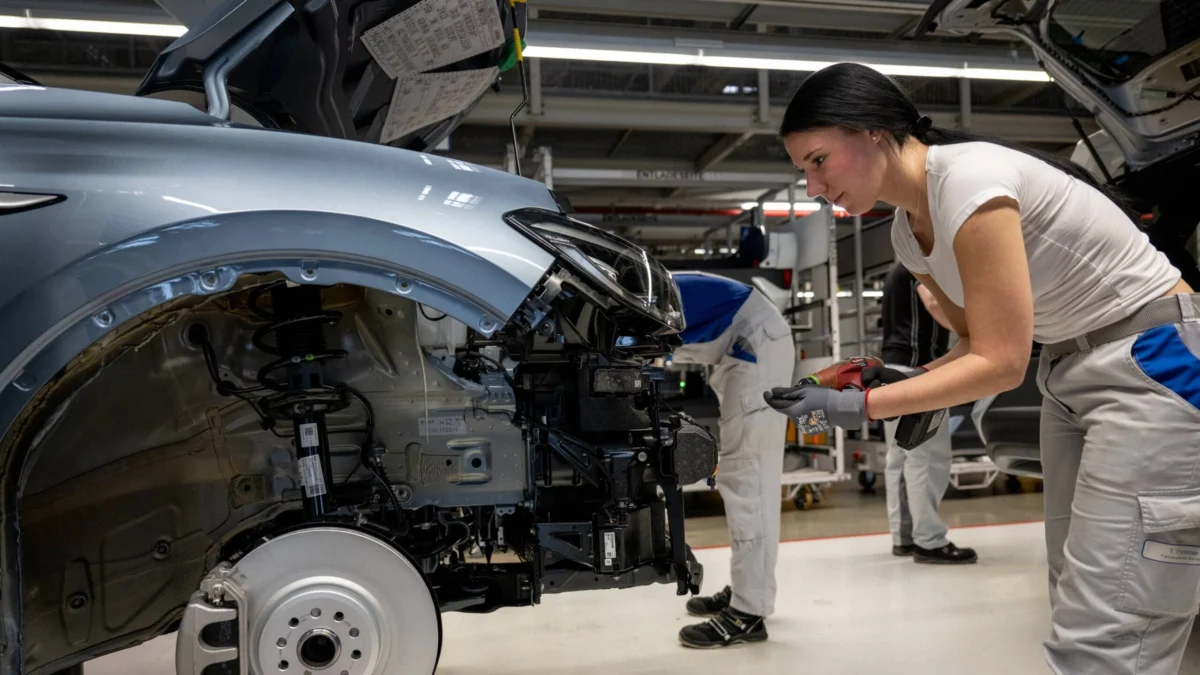
Volkswagen, the automotive giant, is embarking on a significant shift in its operational strategy, mirroring moves seen at Mercedes-Benz, by initiating discussions and ultimately proposing longer working hours for its employees. This decision, stemming from the company’s recent termination of several key collective bargaining agreements, including the master collective agreement that governs working hours, signals a proactive attempt by the German automaker to navigate the turbulent waters of the current automotive industry crisis. While the immediate impact of these extended hours on Volkswagen’s bottom line and its ability to weather the economic storm remains to be seen, the move underscores a broader industry-wide challenge: the need to adapt production and labor models in the face of rapidly evolving market demands, technological disruption, and global economic headwinds.
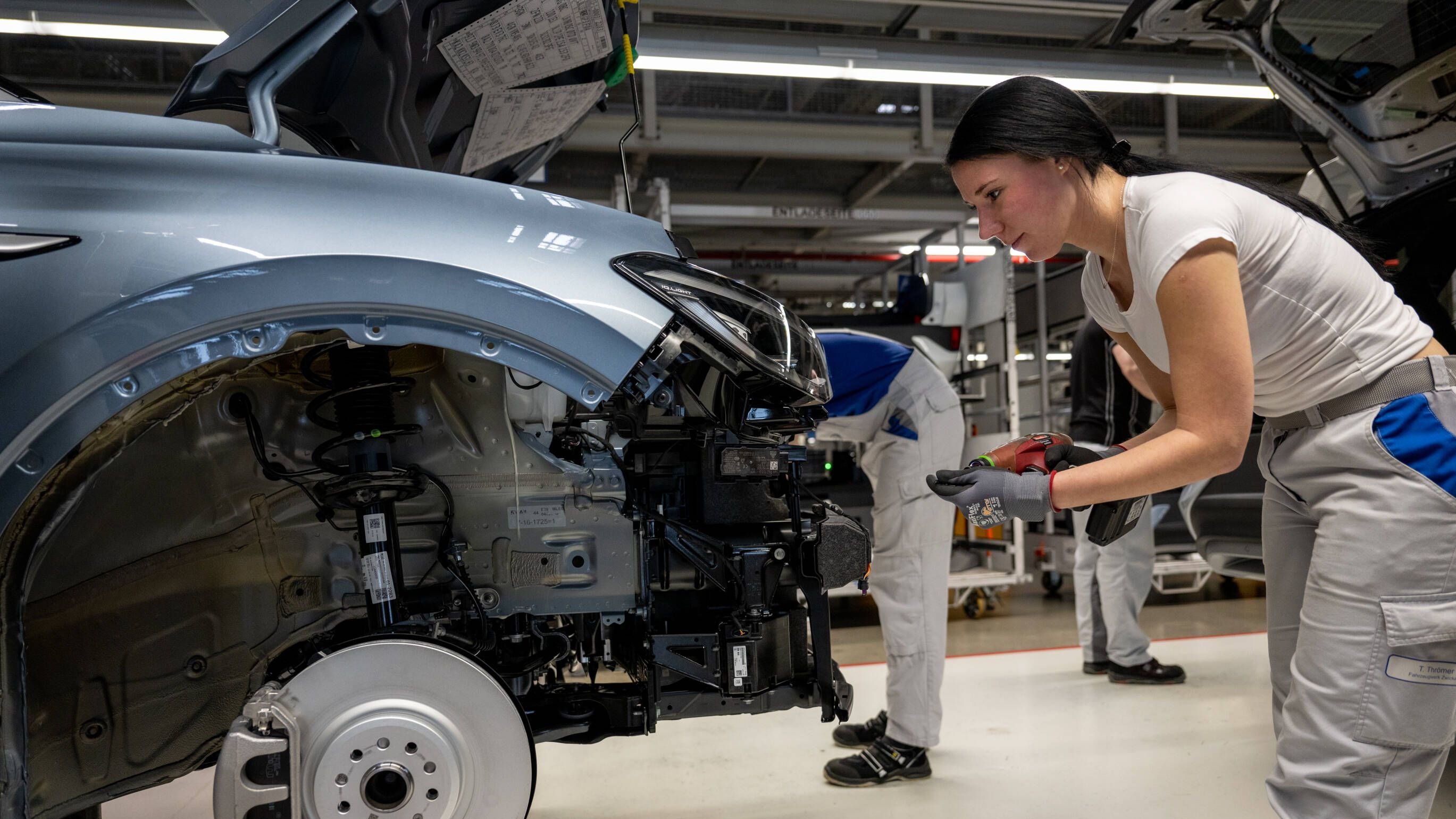
The Strategic Rationale Behind Extended Working Hours
The proposal to extend working hours at Volkswagen is not merely a cost-cutting measure; it is intrinsically linked to the company’s broader strategy to enhance production efficiency and competitiveness. In an industry characterized by high capital expenditure, particularly in the transition to electric vehicles (EVs), and increasing global competition, optimizing operational output is paramount. By potentially increasing the number of hours employees dedicate to their roles, Volkswagen aims to maximize the utilization of its existing production facilities. This could translate into a higher volume of vehicles manufactured without the immediate need for substantial new investments in plant infrastructure or additional workforce hiring, a critical consideration given the current economic climate.
The move follows a precedent set by Mercedes-Benz, which has also explored and implemented extended working hours as part of its restructuring efforts. This parallel action suggests a growing consensus among major German automotive manufacturers that traditional labor models may need to be re-evaluated to remain agile and profitable. The rationale is that increased working hours can lead to a more consistent and potentially higher output, thereby helping to meet demand, reduce per-unit production costs, and ultimately bolster the company’s financial resilience.

Background: The Waning Fortunes of the Traditional Automaker
The automotive industry, long a cornerstone of the global economy and a symbol of industrial prowess for countries like Germany, is undergoing a profound transformation. The shift from internal combustion engine (ICE) vehicles to electric vehicles (EVs) represents a technological leap that requires massive investment in research and development, battery technology, and new manufacturing processes. Volkswagen, a company with a rich history rooted in ICE vehicles, faces the dual challenge of managing its legacy business while aggressively pursuing an all-electric future.
Several factors contribute to the current crisis:

- The Electrification Race: The global push towards decarbonization has accelerated the demand for EVs. Companies that are slow to adapt risk losing market share to more agile competitors, including new EV startups. Volkswagen has made significant investments in its EV platforms, such as the MEB platform, but the transition is costly and complex.
- Supply Chain Disruptions: The COVID-19 pandemic and subsequent geopolitical events have led to persistent disruptions in global supply chains, particularly for critical components like semiconductor chips. This has impacted production volumes across the automotive sector, leading to factory slowdowns and increased costs.
- Economic Slowdown and Inflation: Rising inflation, interest rates, and a general economic slowdown in key markets can dampen consumer demand for new vehicles, which are often significant purchases.
- Intensifying Competition: Beyond traditional rivals, the automotive landscape now includes tech giants and new EV manufacturers from China and other regions, all vying for market dominance with innovative technologies and competitive pricing.
In this challenging environment, companies are scrutinizing every aspect of their operations to find efficiencies. Labor costs and working hours are significant components of a manufacturer’s cost structure, making them a natural focus for optimization efforts.
Volkswagen’s Recent Actions: A Timeline of Change
The catalyst for Volkswagen’s current discussions around working hours appears to be the company’s decision to terminate several collective bargaining agreements. While the exact timeline of these terminations is not explicitly detailed in the provided text, the action itself indicates a deliberate strategic move to renegotiate labor terms.
- Termination of Collective Agreements: Volkswagen has initiated the process of ending multiple collective bargaining agreements. This includes the master collective agreement, which is a foundational document for labor relations within the company, outlining crucial aspects like working hours, wages, and benefits. This termination is a prerequisite for renegotiating these terms to align with the company’s new strategic objectives.
- Opening the Debate on Extended Working Hours: Following the termination of agreements, Volkswagen has publicly opened the discussion with its workforce and employee representatives regarding the possibility of longer working hours. This implies a period of negotiation and consultation with unions and works councils.
- Precedent Set by Mercedes-Benz: The move by Volkswagen occurs in the wake of similar discussions and potential implementations at Mercedes-Benz, suggesting a coordinated or at least a widely recognized need for such measures within the German automotive sector.
The termination of existing agreements does not automatically mandate longer hours. Instead, it creates the space for a renegotiation process. This process typically involves dialogue between the company’s management and employee representatives, such as trade unions and works councils, to reach a mutually acceptable agreement. The success of these negotiations will likely depend on the specific economic pressures faced by Volkswagen and the willingness of its workforce to adapt.
Data and Implications: Quantifying the Impact
While specific figures on the proposed increase in working hours or the expected impact on production volume are not provided, industry analysis offers context. German labor laws, particularly concerning working hours, are generally protective of employees. However, collective bargaining agreements can introduce flexibility. For example, a standard full-time workweek in Germany is typically 35-40 hours. An increase of even one or two hours per week per employee, across Volkswagen’s vast global workforce, could translate into a significant increase in total labor hours.

If Volkswagen were to extend the workweek by, for instance, two hours for its approximately 125,000 employees in Germany (as of recent reports), this would equate to an additional 250,000 working hours per week. Over a year, this could amount to millions of additional production hours.
The implications of such a move are multifaceted:

- Increased Production Capacity: A direct consequence would be the potential to increase vehicle output. This is crucial for meeting demand, especially for popular EV models, and for capitalizing on market opportunities.
- Cost Management: While increased hours mean higher labor costs in absolute terms, the per-unit cost of production might decrease if the output increase outpaces the wage increase. This could improve profit margins, which are under pressure due to high R&D costs for EVs and supply chain challenges.
- Employee Well-being and Morale: Extended working hours can impact employee well-being, leading to potential fatigue, stress, and reduced work-life balance. This is a critical factor that employee representatives will undoubtedly raise during negotiations. Maintaining employee morale and avoiding burnout will be essential for sustained productivity.
- Competitiveness: If successful, this strategy could enhance Volkswagen’s ability to compete with manufacturers who may already operate with longer working hours or have more flexible labor models.
Potential Reactions and Negotiations
The announcement and subsequent discussions surrounding extended working hours at Volkswagen are unlikely to be met with universal approval. Employee representatives, including powerful unions like IG Metall, are expected to scrutinize the proposal closely.
- Union Stance: Trade unions typically advocate for the protection of workers’ rights and work-life balance. IG Metall, representing a significant portion of Volkswagen’s workforce, is known for its strong stance on labor conditions. They will likely demand assurances regarding job security, fair compensation for the extra hours, and safeguards against employee burnout. Negotiations will probably focus on whether the extended hours are a temporary measure to overcome a crisis or a permanent shift in labor policy.
- Employee Concerns: Individual employees may have concerns about the impact on their personal lives, family commitments, and overall health. The prospect of longer hours could lead to anxieties about increased workload and potential stress.
- Management’s Position: Volkswagen management will likely emphasize the necessity of these measures for the company’s long-term survival and competitiveness. They will probably present data illustrating the financial pressures and the competitive landscape to justify the proposed changes. The success of the initiative will hinge on the ability of both parties to find a compromise that addresses the company’s strategic needs while respecting the well-being and rights of the workforce.
A Broader Industry Perspective
Volkswagen’s move is indicative of a wider trend within the automotive industry. As manufacturers grapple with the immense costs and complexities of the transition to electric mobility and face ongoing economic uncertainty, they are increasingly looking for ways to optimize their operations. This includes not only technological innovation and supply chain resilience but also a re-evaluation of labor models.

The success of Volkswagen’s strategy will be closely watched by other automakers globally. If the company can successfully implement longer working hours without significantly damaging employee morale or productivity, it could serve as a blueprint for other manufacturers facing similar challenges. Conversely, if the move leads to labor disputes or negative impacts on employee well-being, it could serve as a cautionary tale.
Ultimately, the decision to extend working hours at Volkswagen represents a strategic gamble in a high-stakes industry. The company is betting that increased operational efficiency through enhanced labor utilization can help it navigate the current crisis and emerge stronger in the evolving automotive landscape. The coming months will reveal whether this bold approach will indeed lead to a more secure future for the struggling automaker, or if the "clock-in" at the factory will prove to be a superficial solution to deeper structural issues. The true test will be whether these extended hours can genuinely contribute to the company’s long-term sustainability and its ability to innovate and lead in the next era of automotive transportation.
