

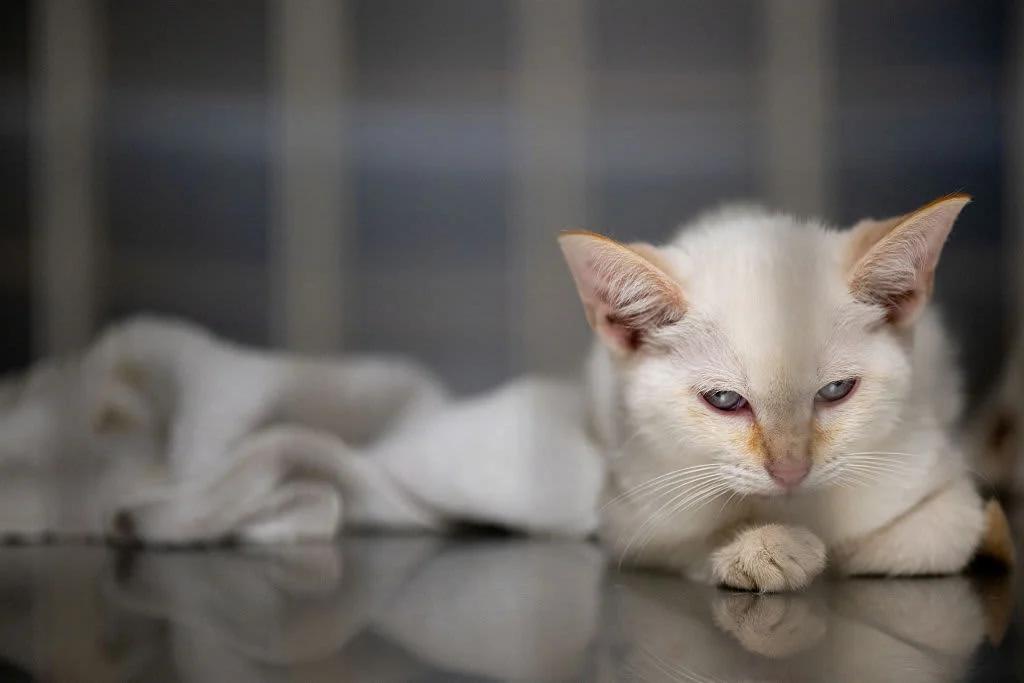
A notable shift in consumer spending habits and pet ownership trends is reshaping the landscape of the pet care industry, with cat-related products emerging as a significant growth driver. Despite a challenging economic climate marked by rising prices for essential goods like fuel and groceries, sales of cat food and other feline-focused items are experiencing robust growth, providing a bright spot for manufacturers and retailers. This surge stands in stark contrast to the softening demand observed in the dog product segment, compelling major industry players to recalibrate their strategies and product offerings.
The trend is not merely anecdotal; it is clearly reflected in the recent financial disclosures of leading pet care companies. General Mills, Chewy, and Petco Health and Wellness Co. have all highlighted the strength of their cat segments during their most recent quarterly earnings calls, underscoring a broader pattern of increased investment and spending on feline companions. This phenomenon is closely tied to a significant increase in cat ownership across the United States, indicating a fundamental demographic and lifestyle shift among pet parents.
A Detailed Look at Industry Performance and Executive Insights
The financial reports from key players provide concrete evidence of this market realignment. General Mills, a global food company with a substantial pet segment including brands like Tiki Cat, reported double-digit percentage growth in cat food sales. This impressive performance directly offset a high-single-digit percentage decline in dog food sales, resulting in the company’s North American pet segment posting net sales that were roughly consistent with the previous year’s period. During an earnings call on a recent Wednesday, CEO Jeff Harmening explicitly linked this sales trend to the observed increase in cat adoptions and a concurrent decrease in dog adoptions.
However, the narrative for General Mills’ dog food business is more complex than simply shifting pet ownership patterns. Chief Operating Officer Dana McNabb acknowledged that the struggles in the company’s dog food division could not be attributed solely to broader pet ownership trends. McNabb stated, "We really have to relook at the entire proposition of the product, the packaging, the marketing, the communication, we have work to do." She drew a parallel to a similar challenge faced by the company’s "Tastefuls" cat business a few years prior, which required 18 to 24 months of focused effort to improve, noting that "that business is back to growth now." This statement underscores the importance of product innovation, effective marketing, and consumer engagement, even within favorable market segments, and signals a proactive approach to addressing underperforming areas.
Other prominent pet retail companies have echoed these observations. Chewy, a leading online retailer for pet products, also noted the diverging trends. On a September 9 earnings call, CEO Sumit Singh succinctly summarized the situation: "dog seems to be worsening; cat seems to be strengthening." This statement from one of the industry’s digital frontrunners emphasizes the widespread nature of the shift, affecting both traditional and e-commerce retail channels.
Petco Health and Wellness Co., another major player in the pet retail space, reported strong sales of cat products in its second quarter. During a September 2 earnings call, CEO Joel D. Anderson highlighted the successful launch of its cat treat brand, Candy Shop, as a key driver of growth. Anderson elaborated on the company’s strategic focus, stating, "In the second quarter, we introduced new high-impact brands that resonate strongly with cat parents, generating nice gains across consumables, supplements, bedding and furniture." He further explained that this growth was a direct result of the company’s concerted efforts to improve its cat segment, guided by prevailing industry trends. Anderson acknowledged the ongoing softness in the dog business, noting that "adoptions are down slightly," but stressed the importance of diversification: "It just shows for you why it’s so important to be diversified. And with us having great trends in cat, really growing companion animal, our services business is growing. We’ve got a lot of diversification to not rely solely on dog."
The Shifting Landscape of Pet Ownership: A Chronology of Feline Ascent
The corporate reports align precisely with broader demographic data concerning pet ownership. The American Pet Products Association (APPA), a leading industry trade group, has documented a significant and accelerating increase in cat ownership. In 2025, the APPA reported a 5% increase in cat-owning households, bringing the estimated total to 53 million households across the United States. This modest rise in 2025 followed an even more substantial surge in 2024, when cat ownership reportedly jumped by an impressive 23%. This two-year growth trajectory signifies a sustained and impactful trend, rather than a fleeting market anomaly.
To put this into perspective, the APPA’s data indicates a significant expansion of the feline population within American homes. While specific historical figures for dog ownership trends were not detailed in the same context, the implication is a relative stagnation or even decline in the rate of dog adoptions and ownership growth, especially when contrasted with the vibrant cat segment. The cumulative effect of these trends over the past couple of years has been a noticeable rebalancing of the pet population mix, with cats gaining significant ground.
Drivers Behind the Feline Surge: Lifestyle, Affordability, and Demographics
Industry executives and market analysts point to several interconnected factors driving this pronounced increase in cat ownership. Foremost among these are considerations of ease and affordability of care relative to dogs. Cats generally require less extensive outdoor exercise, can be more independent, and typically incur lower overall costs for food, veterinary care, grooming, and boarding compared to larger dog breeds. In an economic environment where consumers are increasingly budget-conscious, these practical advantages make cat ownership a more appealing option for many.
Furthermore, cats’ suitability for smaller living spaces, particularly apartments and urban dwellings, is a crucial factor. With increasing urbanization and a growing number of individuals living in apartments or condominiums, the ability of cats to thrive in enclosed environments without extensive outdoor access makes them an ideal choice for city dwellers. This aligns with broader societal trends towards more compact living and flexible lifestyles.
Demographically, emerging trends also play a role. The APPA’s research has previously highlighted the influence of "Gen Z and cat dads" as leading segments in the cultural boom of cat ownership. Younger generations, often facing higher living costs and pursuing careers in urban centers, may find cat ownership more compatible with their financial realities and lifestyle choices. The concept of "cat dads" suggests a broader appeal of feline companionship beyond traditional stereotypes, indicating a more diverse demographic embracing cat ownership. These generational and cultural shifts are fundamental to understanding the sustained momentum behind the feline market.
Navigating the Dog Market Downturn: Strategic Responses and Diversification
The softening in the dog product market presents a significant challenge for companies that have historically relied heavily on this segment. The decline in dog adoptions and the corresponding decrease in sales signal a need for strategic reevaluation. General Mills’ COO Dana McNabb’s comments regarding the need to "relook at the entire proposition" for their dog food business underscore this imperative. This likely involves investment in product reformulation, innovative packaging, and targeted marketing campaigns designed to reinvigorate demand and differentiate products in a more competitive or stagnant market. Lessons learned from successful turnarounds, such as General Mills’ "Tastefuls" cat business, will be crucial in this endeavor.
Petco’s CEO Joel D. Anderson’s emphasis on "diversification" is a clear indication of how forward-thinking companies are adapting. By not relying "solely on dog," Petco is actively expanding its footprint in the growing cat segment, enhancing its "companion animal" offerings beyond traditional pets, and bolstering its services business (grooming, training, veterinary care). This multi-faceted approach helps mitigate risks associated with fluctuations in specific product categories or pet types, ensuring overall business resilience. The pet services sector, for instance, often remains robust even during economic downturns, as pet owners prioritize their pets’ health and well-being.
Economic Context and Consumer Behavior: Prioritizing Pet Wellness
The current economic climate, characterized by persistent inflationary pressures, adds another layer of complexity to these market dynamics. Consumers are indeed "watching their wallets" as the prices of fuel, groceries, and other necessities continue to rise. This heightened price sensitivity means that discretionary spending is often scrutinized. However, the sustained growth in cat product sales, and indeed the broader pet care industry, highlights the unique position pets hold in many households. For many, pets are considered integral family members, and spending on their well-being is often prioritized, even in financially constrained times.
This prioritization means that while consumers might cut back on other non-essential items, they may opt for premium pet foods, treats, and health supplements, particularly for their beloved feline companions. The market response suggests that consumers are willing to invest in products that promise improved health, longevity, and enjoyment for their cats. This trend is a testament to the strong human-animal bond and the increasing humanization of pets.
Strategic Adaptations Across the Pet Industry: Innovation and Market Focus
The shifting pet ownership landscape necessitates significant strategic adaptations across the entire pet industry ecosystem. For pet food manufacturers, this means increased research and development into specialized cat foods, including those catering to specific dietary needs, life stages, or health conditions. The success of brands like Tiki Cat and the launch of new treat lines like Candy Shop by Petco exemplify this focus on innovation within the feline category.
Retailers, both brick-and-mortar and e-commerce, must adjust their inventory, merchandising, and marketing efforts to reflect the heightened demand for cat products. This could involve expanding dedicated cat aisles, increasing online visibility for feline-specific items, and developing targeted promotions for cat parents. The emphasis on "new high-impact brands that resonate strongly with cat parents" by Petco highlights this tailored approach.
Beyond products, the services sector also needs to adapt. Veterinary clinics might see a proportional increase in feline patients, necessitating specialized equipment, training for staff in feline-friendly practices, and marketing efforts geared towards cat owners. Grooming services, pet sitting, and even pet technology companies may also need to refine their offerings to cater to the unique needs and preferences of cat owners.
Broader Implications for the Pet Economy: A Resilient and Evolving Market
The sustained growth in the cat segment, even amidst a softer dog market, underscores the overall resilience and adaptability of the pet economy. The pet care industry in the United States is a multi-billion-dollar market, consistently demonstrating growth and innovation. While the dog segment has historically been the larger component, the rapid ascent of the cat market signifies a crucial rebalancing that will have long-term implications.
This shift suggests that pet companies that successfully diversify their portfolios and strategically invest in high-growth areas like the feline segment will be better positioned for sustained success. It also emphasizes the importance of understanding nuanced consumer behaviors and demographic shifts rather than relying on historical market trends. The humanization of pets continues to drive demand for premium products and services, and this trend is equally, if not more, pronounced, in the cat ownership demographic.
Looking Ahead: The Evolving Pet Parent and Future Projections
The rise of the "cat parent" as a powerful consumer demographic is a trend that is likely to continue. Factors such as urbanization, changing household structures (e.g., more single-person households, couples without children), and the economic appeal of cat ownership are deeply ingrained societal shifts. As these trends mature, the pet industry will continue to evolve, with feline companions playing an increasingly central role.
Future projections for the pet industry will undoubtedly incorporate this significant pivot towards cat-centric products and services. Companies that are agile in their product development, marketing, and distribution strategies, and that deeply understand the specific needs and desires of cat owners, are poised to capture a larger share of this growing market. The current dynamics serve as a compelling case study of how demographic shifts and economic realities can profoundly reshape consumer markets, highlighting the continuous need for innovation and strategic adaptation within even the most established industries. The era of the cat, it seems, has truly arrived within the pet care economy.
