

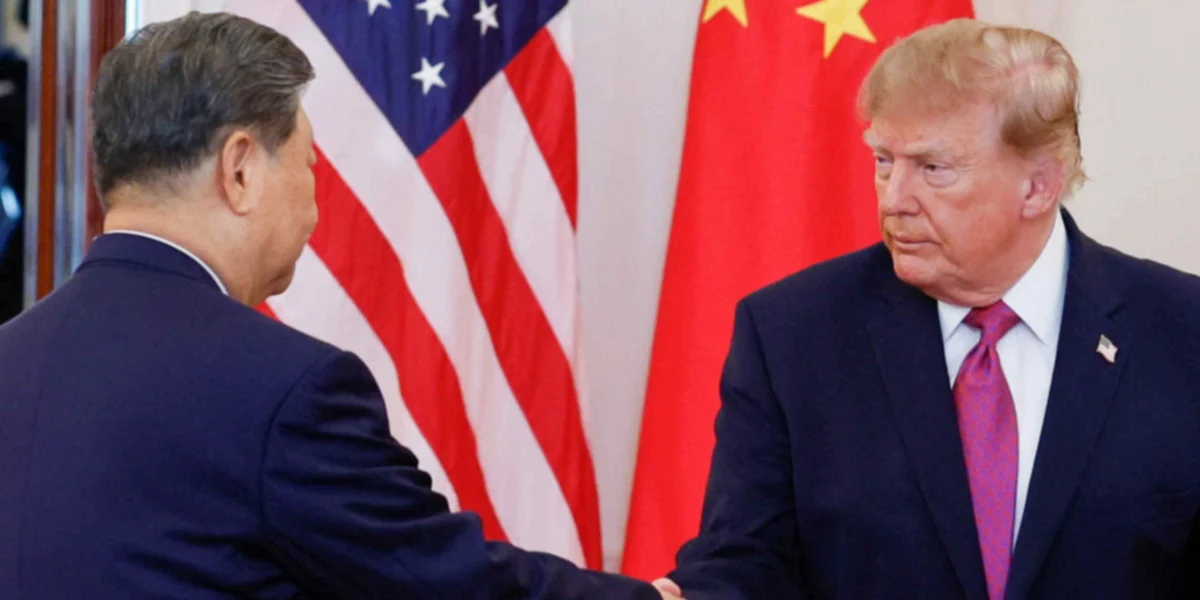
NEW YORK/SHANGHAI — The United States and China have reached a consensus on recommendations for "more favorable tariff treatment" on approximately $30 billion worth of non-sensitive products exchanged between the two economic giants. This agreement was announced by the White House late Friday, following the conclusion of a high-stakes summit between U.S. President Donald Trump and Chinese President Xi Jinping in Washington. The accord, while not a comprehensive trade deal, signals a potential thaw in the ongoing trade tensions and aims to foster a more balanced economic relationship.
Key Outcomes of the Washington Summit
The summit, held on September 24, 2026, marked a critical juncture in the bilateral relationship, which has been characterized by escalating tariffs and retaliatory measures over the past several years. The agreement on tariff adjustments is a significant, albeit partial, step towards de-escalation. The $30 billion figure encompasses a range of goods, with the White House specifically mentioning American farm products and consumer goods typically imported from China for the holiday season. Beijing has also indicated its willingness to increase purchases of U.S. coal.
While the specifics of the "more favorable tariff treatment" remain under review, initial reports suggest a mutual reduction or adjustment of existing tariffs on these selected categories. This move is intended to alleviate some of the economic pressures on consumers and businesses in both nations, particularly those heavily reliant on the identified goods. The inclusion of American farm goods is a strategic move, addressing a key demand from U.S. agricultural stakeholders who have been significantly impacted by Chinese retaliatory tariffs. Similarly, ensuring the availability of made-in-China Christmas items at more competitive prices could benefit American retailers and consumers.
The commitment from Beijing to purchase U.S. coal, a sector that has faced challenges due to environmental regulations and competition from domestic sources, represents another tangible outcome. This could provide a much-needed boost to American mining communities and energy producers.
Background and Chronology of U.S.-China Trade Relations
The trade relationship between the U.S. and China has been a complex and often contentious one, particularly in recent years. Tensions began to significantly escalate in early 2018 when the Trump administration initiated a series of tariffs on Chinese goods, citing concerns over intellectual property theft, forced technology transfer, and a substantial trade deficit.
- Early 2018: The U.S. imposes tariffs on steel and aluminum imports, which include Chinese products. This is followed by broader tariffs on billions of dollars worth of Chinese goods.
- Mid-2018 to Late 2019: China retaliates with its own tariffs on U.S. imports, leading to a tit-for-tat escalation. This period sees multiple rounds of negotiations, marked by periods of optimism and significant setbacks. The trade war begins to impact global supply chains and economic growth.
- January 2020: The U.S. and China sign a "Phase One" trade deal, which includes commitments from China to purchase more U.S. goods and services, and some concessions from the U.S. on tariffs. However, many structural issues remain unresolved.
- 2020-2025: The COVID-19 pandemic further complicates the trade relationship, leading to disruptions in supply chains and increased geopolitical tensions. While some tariffs remain in place, diplomatic channels are largely kept open. Discussions continue regarding specific sectors and trade imbalances.
- Early to Mid-2026: Renewed efforts are made by both administrations to find common ground, driven by concerns over slowing global economic growth and the desire to stabilize bilateral economic ties. This culminates in the preparation for the September 2026 summit.
- September 24, 2026: President Trump and President Xi Jinping hold a summit in Washington. The meeting is characterized by intensive discussions on trade, economic cooperation, and other bilateral issues.
- September 26, 2026: The White House announces the agreement on tariff adjustments for $30 billion in non-sensitive goods, along with China’s commitment to buy U.S. coal.
This timeline illustrates the protracted nature of the trade dispute and the incremental approach being taken to resolve it. The current agreement represents a step forward after a period of significant friction.
Supporting Data and Economic Context
The $30 billion figure for tariff adjustments represents a portion of the overall trade volume between the U.S. and China, which runs into hundreds of billions of dollars annually. For context, in 2025, U.S. goods and services trade with China totaled an estimated $650 billion, according to U.S. government data. This new agreement, while significant for the targeted sectors, does not address the entirety of the trade imbalance or the broader structural issues that have fueled the trade dispute.
The specific categories of goods included in the agreement are crucial. For American agriculture, the inclusion of products like soybeans, pork, and corn is particularly important. In recent years, these commodities have been heavily targeted by Chinese retaliatory tariffs, leading to substantial financial losses for U.S. farmers. For instance, prior to the trade war, China was a major market for U.S. soybeans, accounting for over 60% of U.S. soybean exports in some years. The impact of reduced access and higher tariffs has been keenly felt.
On the consumer side, made-in-China goods, ranging from electronics and apparel to toys and home décor, constitute a significant portion of imports into the U.S. Any reduction in tariffs on these items could translate into lower prices for American consumers, especially during peak shopping seasons like the holidays. This could also provide a welcome boost to U.S. retailers who have faced increased costs due to tariffs.
The U.S. coal industry, while facing global challenges, could see a renewed export opportunity with China’s commitment. China has been a major consumer of coal, and while it has been diversifying its energy sources, U.S. coal producers might find a renewed market, especially if the price becomes competitive.
Official Responses and Statements
The White House, in its announcement, framed the agreement as a step towards a "fair and reciprocal" relationship with China. The statement emphasized the administration’s commitment to protecting American industries and workers while also seeking to open new markets for U.S. products. The specific mention of "nonsensitive products" suggests a deliberate effort to avoid contentious areas and focus on immediate, achievable wins.
While official statements from Beijing are still being analyzed for full details, early indications suggest a cautious optimism. Chinese officials have historically emphasized the benefits of free trade and cooperation, while also advocating for a balanced approach that respects mutual interests. The agreement to adjust tariffs on certain goods aligns with China’s stated goal of promoting stability in bilateral economic relations.
Reactions from industry groups in both countries are likely to be mixed. U.S. agricultural organizations, which have been vocal in their calls for relief, are expected to welcome the potential for increased exports. Similarly, retailers might express relief at the prospect of lower import costs. However, some sectors that may not be directly covered by the agreement or that are still subject to higher tariffs might continue to voice concerns.
Broader Impact and Implications
The agreement reached at the Trump-Xi summit, while modest in its immediate scope, carries potential implications for the broader U.S.-China economic relationship and global trade dynamics.
De-escalation and Future Negotiations
This tariff adjustment agreement can be seen as a confidence-building measure, potentially paving the way for more substantive negotiations on deeper trade issues. By focusing on less sensitive products, both sides have created breathing room and demonstrated a willingness to compromise. This could reduce the immediate pressure for further escalation and allow for a more constructive dialogue on complex issues such as intellectual property rights, state subsidies, and market access.
Consumer Benefits and Retail Sector
For American consumers, the prospect of lower prices on imported goods, particularly those associated with holiday shopping, is a welcome development. This could provide a much-needed boost to consumer spending, a key driver of the U.S. economy. The retail sector, which has been navigating the challenges of fluctuating import costs, may also experience a period of greater stability.
Agricultural Sector Support
The inclusion of American farm goods in the tariff adjustment is a crucial win for the U.S. agricultural sector. The ability to export key products to China at more competitive prices can help stabilize incomes for farmers and mitigate some of the losses incurred during the trade dispute. This could also lead to renewed investment and growth in agricultural regions.
Global Trade Landscape
The U.S.-China trade relationship is a cornerstone of the global economy. Any positive development in their bilateral ties can have ripple effects worldwide. A period of reduced trade friction between the two largest economies could contribute to greater global economic stability and boost confidence among international investors. Conversely, any setbacks could further destabilize the global trade landscape.
Challenges and Unresolved Issues
It is important to note that this agreement does not resolve the fundamental trade imbalances or the structural issues that have been at the heart of the U.S.-China trade dispute. Issues such as intellectual property protection, forced technology transfer, and state-sponsored industrial policies remain significant points of contention. The long-term success of the bilateral relationship will depend on the ability of both sides to address these more complex challenges.
Furthermore, the $30 billion figure represents a fraction of the total trade. The impact on the overall trade deficit and the broader economic landscape will be limited unless further agreements are reached. The administration’s stated goal of a "fair and reciprocal" relationship suggests that further negotiations and potential tariff adjustments are likely to be on the horizon.
In conclusion, the agreement reached at the Trump-Xi summit represents a positive, albeit incremental, step forward in the complex U.S.-China trade relationship. By focusing on specific categories of goods, both nations have signaled a willingness to de-escalate tensions and seek mutually beneficial outcomes. The long-term implications will depend on the ability of both sides to build upon this progress and address the deeper, more challenging issues that continue to shape their economic interactions.
