

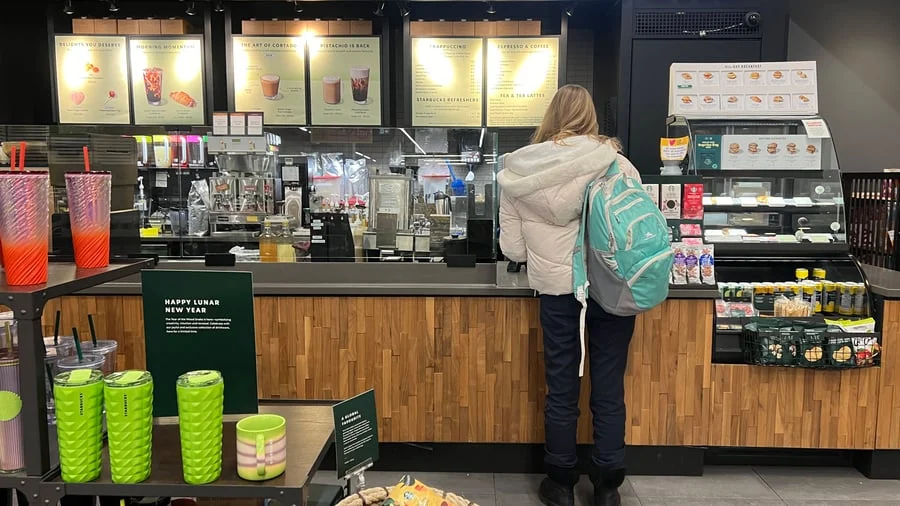
New York – Starbucks, the world’s largest coffeehouse chain, is set to close approximately 250 underperforming stores across North America by the end of this week. This significant move is part of a broader cost-optimization strategy aimed at streamlining operations and bolstering profitability. The closures, announced by the Seattle-based company, come with an estimated financial impact of $300 million. While the exact breakdown of affected locations between the United States and Canada has not been fully disclosed, the scale of the closures underscores a strategic pivot in the company’s retail footprint.

Strategic Retrenchment and Financial Impact
The decision to shutter 250 stores represents a substantial adjustment to Starbucks’ vast network, which comprised 18,371 locations in North America as of the end of June. This initiative is not an isolated event but rather a continuation of a strategic review that began in previous years. The company has indicated that the targeted locations either failed to meet acceptable financial performance benchmarks or were not delivering the customer experience that Starbucks aims to provide.
The financial implications of these closures are considerable, with the company anticipating a $300 million impact. This figure likely encompasses a range of expenses, including lease termination fees, severance packages for affected employees, asset write-downs, and other associated closure costs. Such a substantial financial outlay highlights the company’s commitment to addressing underperforming assets and reallocating resources to more promising ventures.

Background and Context: A History of Optimization
This wave of closures is not the first significant retrenchment for Starbucks under its current leadership. The company previously undertook a large-scale closure of 627 stores across North America and Europe in the preceding year. This earlier consolidation effort was also driven by a need to adapt to evolving market conditions, optimize the store portfolio, and improve overall operational efficiency.
Starbucks, like many global retail giants, operates in a dynamic and increasingly competitive market. Consumer habits are shifting, with a growing emphasis on digital ordering, drive-thru services, and convenience. Furthermore, economic pressures, including rising labor costs and inflation, necessitate a continuous evaluation of profitability at the store level. The company’s strategy appears to be one of proactive adaptation, identifying and divesting from underperforming assets to invest in areas with higher growth potential and better alignment with current consumer preferences.
Addressing Employee Impact and Future Focus
Starbucks has stated that it aims to mitigate the impact on its workforce by offering affected employees opportunities to transfer to other nearby Starbucks locations where possible. For those who cannot be redeployed, the company indicated that severance packages would be provided. This approach reflects a common practice in large-scale workforce adjustments within the retail sector, aiming to maintain employee morale and minimize disruption while still achieving necessary operational changes.
The company’s future focus is expected to be on optimizing its existing store formats, potentially emphasizing drive-thru and digital order-ahead capabilities. Investments may also be directed towards expanding into new markets or exploring innovative store concepts that cater to evolving consumer demands. The strategic closure of underperforming stores allows Starbucks to concentrate its capital and management attention on these growth areas, with the goal of driving long-term shareholder value and reinforcing its market leadership.

Analysis of Implications: A Shifting Retail Landscape
The Starbucks closures serve as a microcosm of broader trends impacting the brick-and-mortar retail sector. Companies are increasingly being forced to re-evaluate their physical presence, moving away from a strategy of sheer ubiquity towards one of targeted, high-performing locations. The emphasis is shifting from quantity to quality, with a focus on creating engaging customer experiences and leveraging technology to enhance convenience and efficiency.
For Starbucks, this strategic recalibration is crucial for maintaining its competitive edge. The coffee giant has built its brand on a consistent and familiar experience, but this must be balanced with the agility to adapt to changing consumer behaviors and economic realities. The $300 million cost of these closures, while significant, can be viewed as an investment in the future health and sustainability of the brand. By shedding unprofitable locations, Starbucks frees up capital and resources that can be reinvested in areas poised for growth, such as digital innovation, new store formats, and enhanced customer engagement strategies.

The success of this strategy will depend on Starbucks’ ability to accurately identify and cultivate its most promising markets and store models. The company’s deep understanding of consumer preferences, coupled with its extensive operational experience, positions it well to navigate this challenging retail environment. However, the ongoing evolution of consumer habits and the competitive pressures within the food and beverage industry mean that continuous adaptation and strategic foresight will remain paramount. The coming quarters will be key to observing how effectively Starbucks implements its revised retail strategy and its impact on the company’s overall performance and market position.
