

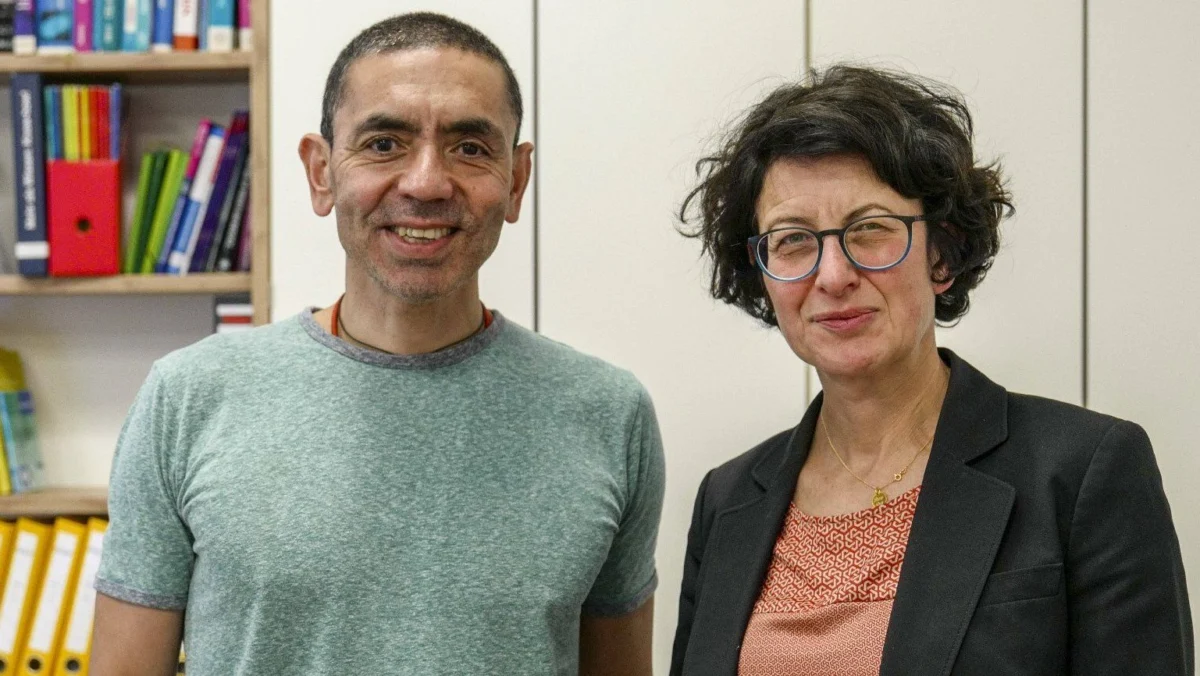
The new venture by BioNTech founders Özlem Türeci and Uğur Şahin has been officially registered under the name "Arife," marking a significant new chapter for the pioneering duo. While details about the company remain largely under wraps, its establishment in Mainz, Germany, sends a powerful signal of continued commitment to the nation’s burgeoning biotechnology sector. This decision holds considerable weight, particularly in a global landscape where innovation hubs often compete fiercely for talent and investment.
A New Dawn for German Biotech: Arife’s Genesis
The registration of Arife signifies more than just a new business entity; it represents the entrepreneurial spirit of Türeci and Şahin, who have already demonstrated their capacity for groundbreaking achievement with BioNTech. Their previous venture, Ganymed Pharmaceuticals, also based in Mainz, was successfully sold to Astellas Pharma in 2016 for a reported €1.3 billion, showcasing their consistent ability to build and scale successful biotech companies. Arife, therefore, builds upon a legacy of innovation and strategic foresight within the German scientific and business community.
The choice to remain headquartered in Mainz is particularly noteworthy. This decision can be interpreted as a strong vote of confidence in Germany’s research infrastructure, skilled workforce, and supportive, albeit complex, regulatory environment. In a sector where venture capital and talent are increasingly globalized, and where the allure of established financial markets like the Nasdaq is undeniable, the founders’ decision to anchor their new enterprise in Germany counters potential concerns about the "brain drain" of high-value scientific expertise.
Background: The BioNTech Phenomenon and Global Competition
BioNTech’s meteoric rise to global prominence, particularly through its development of a highly effective mRNA-based COVID-19 vaccine in partnership with Pfizer, has placed its founders, Türeci and Şahin, at the forefront of scientific and business innovation. Their success has not only garnered immense personal acclaim but has also significantly boosted Germany’s reputation as a hub for cutting-edge biotechnology.
However, this success has also amplified concerns among European investors and policymakers regarding the potential for talent and intellectual property to migrate to markets with more readily available and perhaps more aggressive venture capital funding. The United States, in particular, has long dominated the biotechnology financing landscape, with its venture capital firms often providing substantial financial backing and strategic guidance to early-stage companies. This dynamic has fueled anxieties about Europe’s capacity to retain its most promising scientific innovations and the companies that drive them.
Timeline of Entrepreneurial Endeavors
The journey of Türeci and Şahin is a testament to sustained vision and execution:
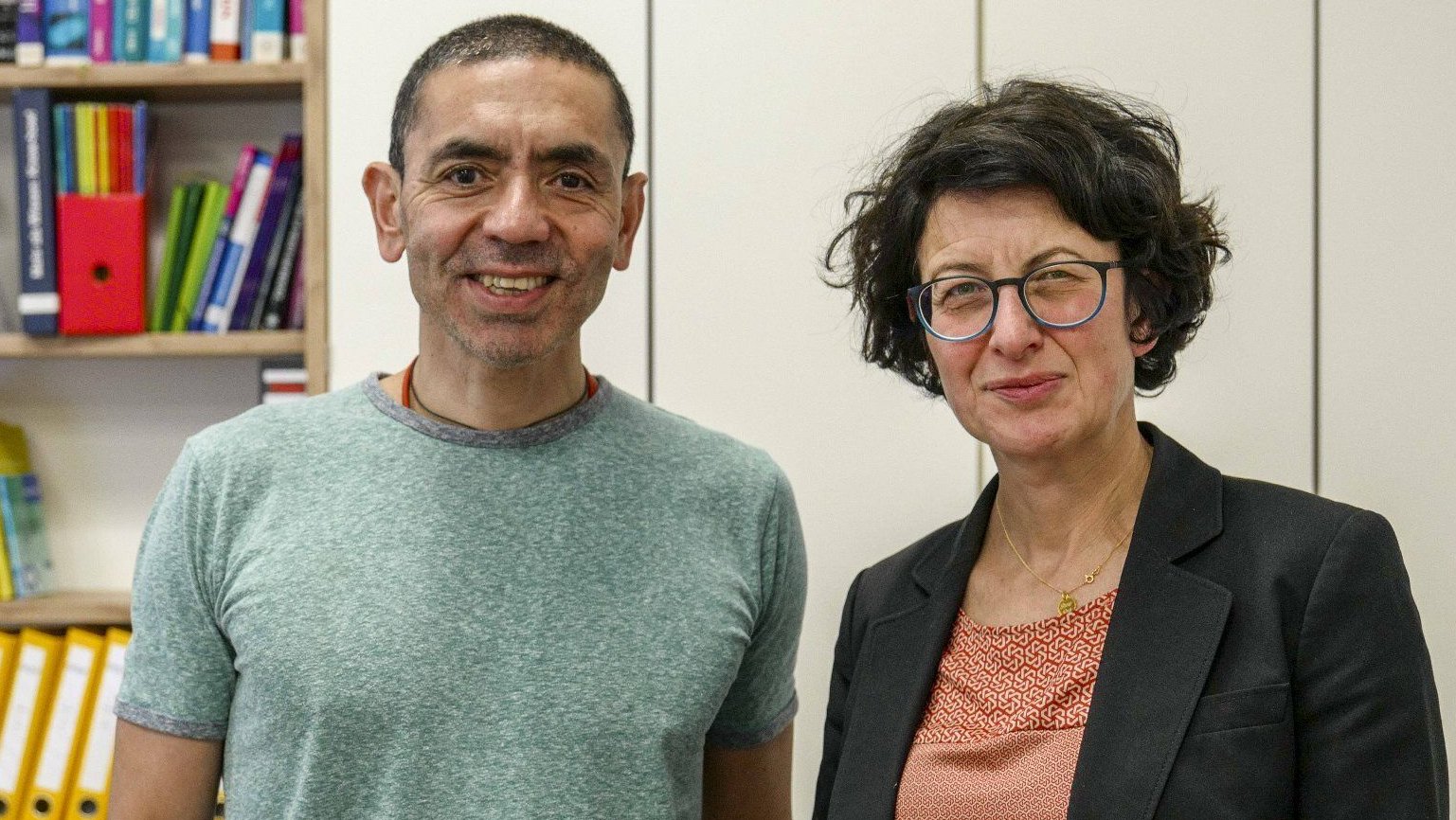
- Early Career and Ganymed Foundation: Türeci and Şahin, both accomplished scientists with backgrounds in immunology and oncology, established Ganymed Pharmaceuticals in Mainz. The company focused on developing immunotherapies for cancer.
- Ganymed’s Success and Acquisition (2016): Ganymed achieved significant milestones, leading to its acquisition by Japanese pharmaceutical giant Astellas Pharma for €1.3 billion. This marked a substantial early success for the founders and provided them with capital and experience for future ventures.
- BioNTech’s Founding (2008): While Ganymed was still in operation, Türeci and Şahin co-founded BioNTech in 2008. Initially, their focus was on developing personalized cancer immunotherapies.
- The mRNA Revolution and COVID-19 Vaccine (2020): BioNTech’s pivot and rapid development of an mRNA vaccine against COVID-19, in collaboration with Pfizer, propelled the company to unprecedented global recognition and financial success. The vaccine became a critical tool in combating the pandemic.
- Arife’s Registration (Current): The recent registration of Arife in Mainz signifies the founders’ continued entrepreneurial drive and their commitment to innovation within Germany.
Strategic Implications of Remaining in Mainz
The decision to establish Arife in Mainz carries several strategic implications:
- Anchoring Talent and Expertise: By keeping their new venture in Germany, Türeci and Şahin are implicitly contributing to retaining a highly skilled workforce and specialized knowledge within the country. This can foster a virtuous cycle, encouraging further scientific talent to pursue opportunities in Germany.
- Strengthening the German Biotech Ecosystem: The presence of a new, potentially high-growth company founded by globally recognized figures like Türeci and Şahin can invigorate the local and national biotechnology ecosystem. It can attract further investment, talent, and ancillary services, solidifying Germany’s position in the global biotech landscape.
- Long-Term Investment in the German Market: The founders’ commitment suggests a belief in the long-term potential of the German market, despite the challenges. This can inspire other entrepreneurs and investors to consider Germany as a viable location for ambitious scientific ventures.
- Counteracting "Brain Drain" Narratives: In a period where European nations are increasingly concerned about retaining scientific talent, Arife’s establishment in Mainz serves as a powerful counter-narrative, demonstrating that world-class innovation can thrive outside of traditional biotech hubs.
Potential Future Directions for Arife
While specific details about Arife’s focus remain undisclosed, informed speculation based on the founders’ track record suggests several possibilities:
- Further Advancements in Immunotherapy: Given their extensive expertise in oncology and immunology, it is highly probable that Arife will continue to explore novel approaches to cancer treatment. This could involve developing next-generation immunotherapies, personalized medicine strategies, or exploring new therapeutic modalities beyond mRNA.
- Expanding mRNA Applications: BioNTech’s success with mRNA technology has opened doors to a vast array of potential applications beyond vaccines. Arife might be exploring the use of mRNA for treating other infectious diseases, genetic disorders, or even non-communicable diseases.
- Platform Technologies: The founders may be focused on developing new platform technologies that can be leveraged across multiple therapeutic areas. This approach allows for greater scalability and broader impact.
- Addressing Unmet Medical Needs: With their proven ability to tackle complex health challenges, Arife is likely to be focused on areas with significant unmet medical needs, where innovative solutions can make a profound difference in patient lives.
Expert and Stakeholder Perspectives (Inferred)
While official statements from Arife are yet to be released, the establishment of such a venture by prominent figures would undoubtedly garner significant attention and commentary from various stakeholders:
- German Government Officials: It is reasonable to infer that government bodies responsible for economic development and science policy would express support and optimism. Such a move reinforces national strategies aimed at fostering innovation and high-tech industries. Statements might highlight the government’s commitment to creating an attractive environment for R&D and investment.
- Industry Analysts and Investors: The biotech investment community would likely view Arife’s establishment with keen interest. Analysts might interpret it as a signal of continued innovation within the German biotech sector, potentially attracting further investment into related companies and research institutions. Discussions might center on the potential for future IPOs or strategic partnerships.
- Academic and Research Institutions: Universities and research centers in Mainz and beyond would likely see this as an opportunity for enhanced collaboration. The presence of Arife could lead to joint research projects, knowledge exchange, and increased opportunities for post-doctoral researchers and scientists.
- Patient Advocacy Groups: For organizations focused on specific diseases, particularly cancer, the news would likely be met with anticipation. The prospect of new treatments emerging from a team with such a strong track record offers hope for advancing therapeutic options.
Supporting Data and Market Context
The global biotechnology market is a rapidly expanding sector, driven by advancements in genomics, personalized medicine, and novel therapeutic modalities. According to various market research reports, the global biotech market size was valued at hundreds of billions of dollars and is projected to continue its robust growth in the coming years. This growth is fueled by increasing investment in R&D, rising prevalence of chronic diseases, and the demand for innovative healthcare solutions.
Germany, as one of Europe’s leading biotechnology hubs, plays a crucial role in this global ecosystem. The country boasts a strong scientific research base, a well-developed pharmaceutical industry, and a growing number of innovative startups. However, it also faces challenges in competing with the sheer scale of investment available in the United States. Companies like BioNTech have demonstrated that significant breakthroughs can originate from Germany, but sustained growth and global leadership often require substantial and consistent capital infusion.
The fact that Türeci and Şahin are embarking on a new venture, rather than solely focusing on expanding BioNTech’s existing operations, suggests a desire to explore new frontiers or to build a company with a potentially different strategic focus or risk profile. Their prior success with Ganymed, which was ultimately an acquisition target, indicates an understanding of the full lifecycle of a biotech company, from initial innovation to strategic exit or sustained growth.
Conclusion: A Symbol of Enduring Innovation
The establishment of Arife by Özlem Türeci and Uğur Şahin in Mainz is a development of significant consequence for Germany and the broader European biotechnology landscape. It underscores the founders’ continued dedication to scientific advancement and entrepreneurial pursuit. More importantly, their decision to anchor this new venture in Germany signals a powerful endorsement of the nation’s potential as a leading center for innovation. In an era where the competition for scientific talent and investment is fierce, Arife’s presence in Mainz stands as a beacon of enduring commitment to German ingenuity, promising further contributions to the global quest for groundbreaking medical solutions. The world will undoubtedly watch with keen interest as Arife unfolds its own unique chapter in the ongoing story of biotechnological innovation.
