

French President Emmanuel Macron concluded his address to the United Nations General Assembly with a pointed critique of both U.S. President Donald Trump’s policies and Israel’s actions in the Gaza Strip, delivering a stark warning against a return to a "jungle law" and a vigorous defense of multilateralism. In what was likely his final address to the global body before the end of his presidential term, Macron’s remarks underscored a growing international unease with unilateralism and a plea for renewed commitment to international cooperation.
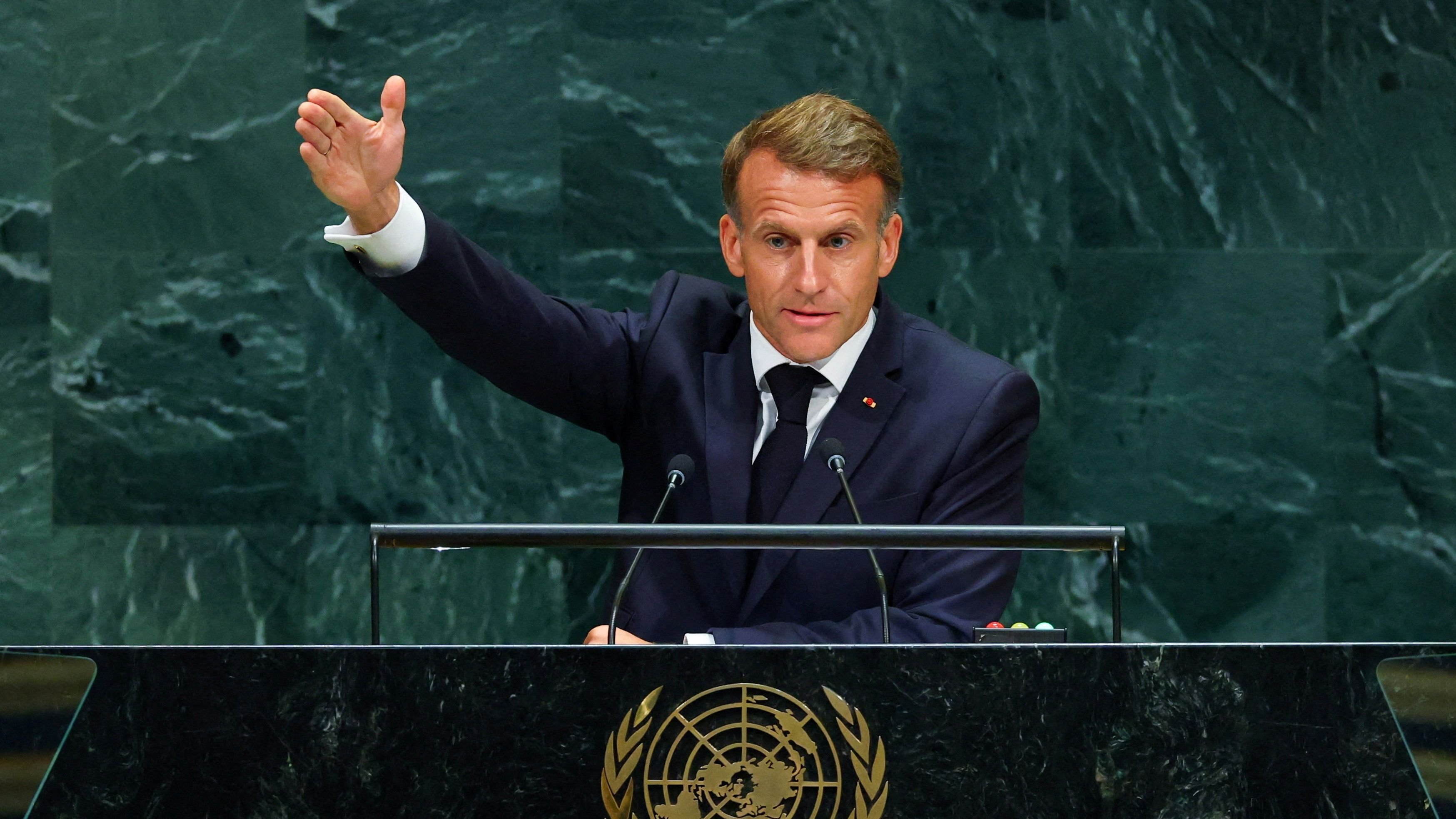
The core of Macron’s criticism was directed at the perceived ineffectiveness of Trump’s "peace plan" for the Gaza Strip, which the U.S. President had lauded as a diplomatic triumph earlier in the day. Macron directly challenged this assertion, stating that despite the declared peace, not a single humanitarian corridor had been reopened in the besieged coastal territory. He described the situation as a spectacle that should shame all involved, highlighting the stark contrast between Trump’s pronouncements and the grim reality on the ground. This direct rebuttal signals a significant diplomatic rift and a challenge to the U.S.’s role as an impartial mediator.
Macron’s condemnation extended to Israel’s policies, particularly concerning the West Bank. He decried what he termed "daily violations of rights," making the controversial statement that Hamas had "never operated" in the West Bank. This remark, which later drew sharp criticism from Israeli officials, was interpreted by some as an attempt to distinguish between Hamas as a governing entity and its potential operational presence, or perhaps a rhetorical flourish to emphasize the perceived illegitimacy of certain Israeli actions. He argued that such violations undermine the legitimate right of the Palestinian people to exist, framing the conflict within a broader context of human rights and self-determination.

Fallout from Macron’s UN Address
The French President’s remarks quickly ignited a firestorm of criticism from Israeli officials. Prime Minister Benjamin Netanyahu’s office issued a statement calling Macron’s assertion that Hamas had never operated in the West Bank "shattering," emphasizing that Hamas members have been responsible for numerous Israeli civilian deaths in the territory. Gadi Eisenkot, Netanyahu’s chief rival and former military chief, echoed this sentiment, labeling Macron’s statement as detached from the reality on the ground and asserting that Hamas is indeed active in the West Bank. Eisenkot further stated that the fight against terrorism is non-negotiable and that Israel would not tolerate international hypocrisy that compromises its security.
A French diplomat, speaking to The Times of Israel, later suggested that Macron’s intended message was that Hamas does not govern the West Bank, attempting to clarify the potentially inflammatory statement. However, the initial wording had already caused significant diplomatic ripples.
Broader Geopolitical Tensions and Developments
Macron’s address occurred amidst a backdrop of escalating regional and global tensions. Several other significant developments were reported concurrently, painting a complex picture of the geopolitical landscape:
1. U.S. Peace Initiative for Gaza: Reports emerged that a "Board of Peace," established by U.S. President Donald Trump, was preparing a six-month reconstruction plan for the Gaza Strip. This plan, estimated at $2.45 billion, includes provisions for emergency shelters, debris removal, and the deployment of a multinational protection force. The report, citing an Axios draft, estimated material damages in Gaza at $35.2 billion, with a full ten-year reconstruction projected to cost $71.4 billion. This initiative highlights the U.S. administration’s continued focus on resolving the Israeli-Palestinian conflict, albeit through its own distinct approach.
2. Israeli Military Operations: In a significant development, the Israeli army reportedly killed Muhammad Abu Alwan, identified as the head of the Hamas finance department in Gaza. Prime Minister Netanyahu and Defense Minister Israel Katz announced the operation, though the Israeli military had not immediately confirmed it. The Palestinian news agency reported two fatalities from an Israeli drone strike in Khan Yunis, where a vehicle was targeted. The identity of the victims remained unconfirmed, and it was unclear if it was related to the alleged killing of Alwan. These operations underscore the ongoing military engagements in the region.
3. Iran’s Diplomatic Maneuvers and Sanctions:

- International Flights Suspended: Citing extensive U.S. sanctions, Iran announced the suspension of international flights from Baghdad and Muscat. The Iranian Civil Aviation Organization stated that flights to Iraq would be rerouted and that flights to Azerbaijan were also canceled. This move reflects the increasing pressure on Iran’s aviation sector due to U.S. sanctions, with Treasury Secretary Scott Bessent indicating a broader effort to isolate Iranian airlines globally.
- Conditions for Dialogue: Iran reportedly conveyed conditions to the U.S. through Qatari mediation in New York. These included an end to hostilities on all fronts, a halt to U.S. "aggression," the lifting of the naval blockade, an end to the economic war, and the release of Iranian assets. These demands signal Iran’s strategic positioning in any potential negotiations.
- Strait of Hormuz: Iran’s military advisor warned against expectations of a return to normal shipping traffic in the Bab al-Mandab strait, citing the ongoing conflict. Iran also indicated a willingness to reopen the Strait of Hormuz within seven days, contingent on the U.S. reducing military pressure and lifting the blockade of Iranian ports. This offers a potential diplomatic opening but is heavily conditional.
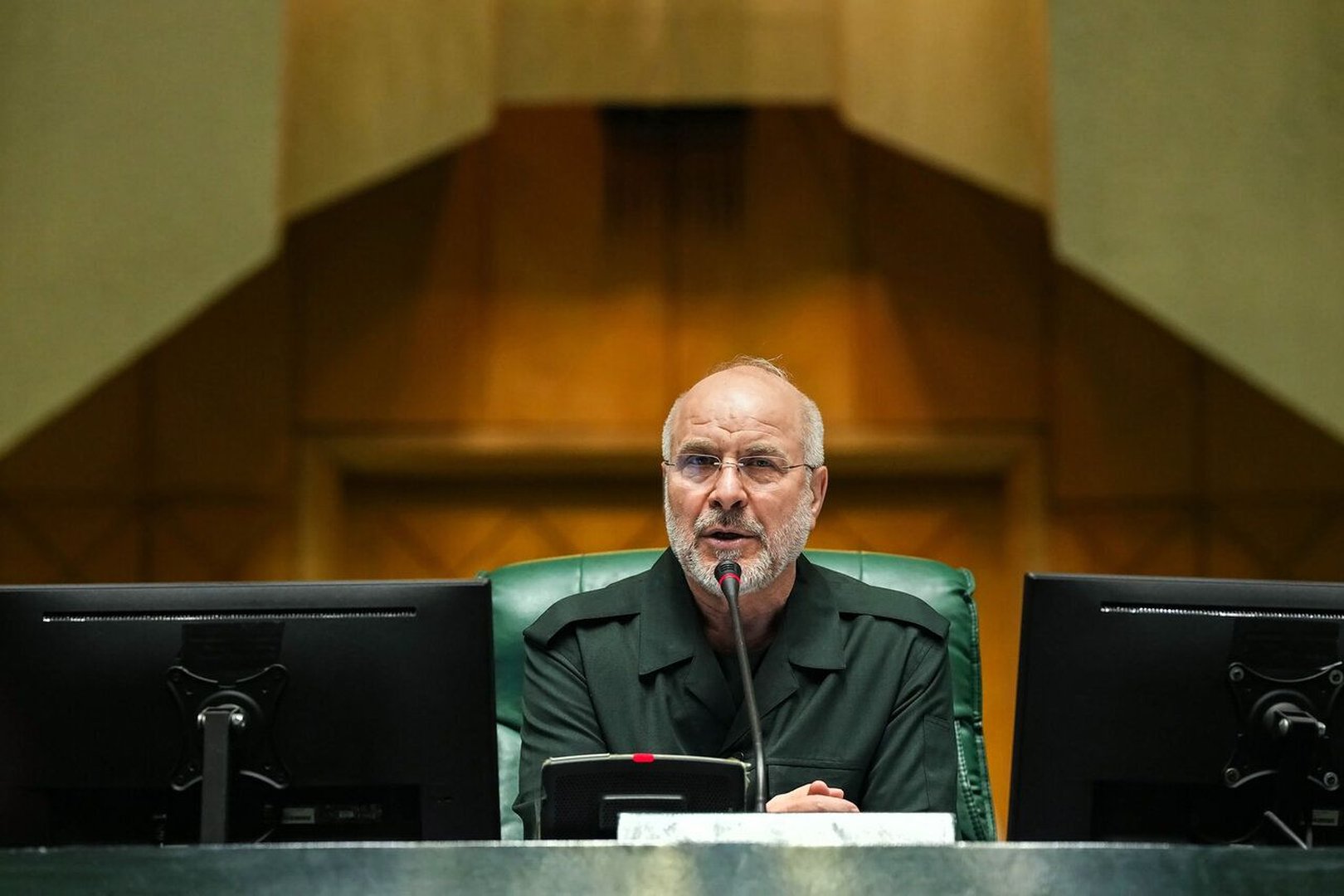
- U.S.-Iran Meetings: President Trump claimed that U.S. and Iranian representatives met on the sidelines of the UN General Assembly, describing the meeting as "very good" and lasting three hours. Reports suggested that U.S. negotiator Steve Witkoff and Trump’s son-in-law Jared Kushner were present, with the Iranian Foreign Minister Abbas Araghchi reportedly also attending, facilitated by Pakistan and Qatar. This meeting, if confirmed, represents a rare direct engagement between the two nations.
4. Regional Maritime Security:
- Saudi Arabia’s Oil Exports: Saudi Arabia was reportedly preparing to resume oil exports via the Red Sea after repairs to its East-West pipeline, damaged by drone attacks. The pipeline is crucial for bypassing the Strait of Hormuz. This resumption signals a move towards stabilizing energy markets.
- EU Mission in Red Sea: The EU’s foreign policy chief, Kaja Kallas, stated that the EU’s naval mission in the Red Sea requires more than ten warships, highlighting the escalating security challenges in the region.
- UK Support for Saudi Arabia: The United Kingdom announced limited military support for Saudi Arabia against Houthi attacks, including aerial refueling for Saudi fighter jets. This demonstrates continued international involvement in regional security.
5. Broader International Concerns:

- UN Secretary-General’s Plea: UN Secretary-General António Guterres appealed for an end to violence in the Middle East, stating, "Enough is enough," and lamenting the limited impact of agreed-upon ceasefires.
- Emir of Qatar’s Call: The Emir of Qatar, Tamim bin Hamad, urged Israel to cease military operations in Gaza, withdraw from Palestinian territories, and end its blockade, criticizing calls for the expulsion of Gaza’s population.
- U.S. Energy Infrastructure Fund: Reports indicated that the U.S. administration proposed a $5 billion fund to rebuild energy infrastructure in the Middle East damaged during the Iran-U.S. conflict, aiming to reduce reliance on the Strait of Hormuz.
Analysis of Implications
Macron’s forceful stance at the UN reflects a broader European concern about the erosion of international norms and the rise of nationalistic, unilateral foreign policies. His direct challenge to Trump’s peace plan and Israel’s actions signals a potential for a more assertive European diplomatic role, seeking to counterbalance U.S. influence and advocate for a more inclusive and rights-based approach to conflict resolution.
The multifaceted developments surrounding Iran highlight the complex interplay of sanctions, diplomacy, and regional power dynamics. Iran’s willingness to engage in dialogue, albeit with stringent conditions, suggests a strategic calculation to leverage its position amidst international pressure. The repeated attacks on shipping in strategic waterways like the Strait of Hormuz and the Bab al-Mandab strait underscore the fragility of global energy supplies and the potential for escalation.

The criticism leveled against Macron by Israeli officials underscores the deep divisions and differing perspectives on the Israeli-Palestinian conflict. Macron’s controversial statement, whether intentional or not, has further complicated an already volatile situation and highlighted the challenges of finding common ground.
The continued engagement of various international actors, including the U.S., EU, Qatar, and Saudi Arabia, in diplomatic efforts and security initiatives in the Middle East indicates the region’s persistent centrality to global affairs. The outcomes of these various diplomatic overtures and military actions will have significant implications for regional stability, global energy markets, and the broader international order. Macron’s final address at the UN served as a powerful reminder of the persistent need for multilateralism and the dangers of unchecked unilateralism in addressing complex global challenges.
