

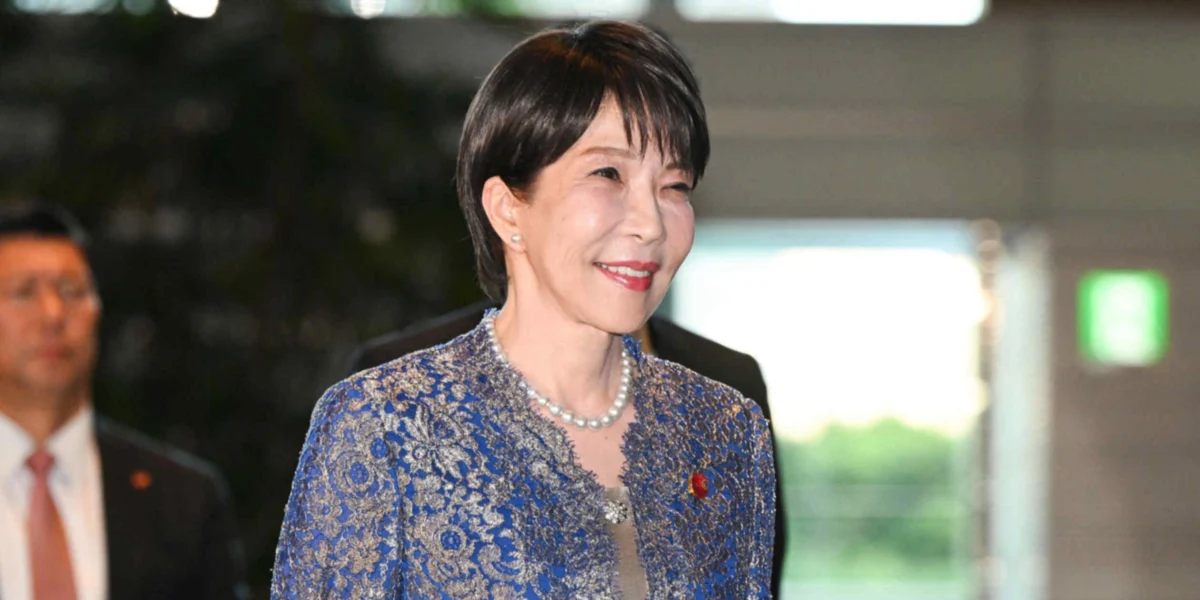
Japan’s Prime Minister Sanae Takaichi, having recently concluded her first cabinet reshuffle since assuming office in October of the previous year, is now tasked with a formidable agenda that spans the delicate management of vital U.S. relations, the critical imperative to diversify away from Middle Eastern oil dependency, and the ongoing challenge of navigating domestic parliamentary affairs. The recent adjustments to her cabinet, particularly the rotation of key figures responsible for parliamentary affairs in both the upper and lower houses, signal a strategic move to consolidate her administration’s operational effectiveness and prepare for the legislative battles ahead.
Strategic Cabinet Adjustments Amidst Evolving Global Landscape
The reshuffle, a standard practice for any new administration seeking to imprint its strategic direction and address evolving challenges, appears to be Takaichi’s calculated effort to bolster her government’s capacity to respond to a rapidly changing international and domestic environment. The selection and placement of ministers are not merely about personnel changes; they are indicative of the administration’s priorities and its perceived strengths and weaknesses in tackling pressing issues. The focus on parliamentary leadership suggests a recognition of the need for smooth legislative processes, essential for enacting Takaichi’s policy objectives.
Deepening U.S. Ties: A Cornerstone of Japanese Foreign Policy
The relationship with the United States remains the absolute bedrock of Japan’s national security and foreign policy. Under Prime Minister Takaichi, this alliance is poised to undergo continued strengthening, driven by shared geopolitical interests and evolving regional dynamics. The recent reshuffle may have seen key diplomatic portfolios adjusted to ensure continuity and a proactive approach in coordinating with Washington on critical issues, ranging from regional security to economic cooperation.
Japan’s reliance on the U.S. security umbrella, particularly in the face of rising regional tensions, necessitates a robust and collaborative defense posture. Discussions surrounding missile defense systems, joint military exercises, and intelligence sharing are likely to remain at the forefront of bilateral engagements. Furthermore, the economic dimension of the alliance is equally crucial. Japan, as a major trading partner and investor in the U.S., has a vested interest in fostering a stable and prosperous global economic order, often in tandem with American policy initiatives.
Data from the Ministry of Economy, Trade and Industry (METI) indicates that the U.S. remains one of Japan’s top trading partners, with bilateral trade in goods and services exceeding hundreds of billions of dollars annually. Any disruption to this relationship, whether through trade disputes or shifts in strategic priorities, could have significant repercussions for the Japanese economy. Therefore, Takaichi’s administration is expected to prioritize consistent dialogue and cooperation with its American counterparts to mitigate potential risks and capitalize on shared opportunities.
Addressing Energy Vulnerability: Diversifying Beyond the Middle East
One of the most significant long-term challenges facing Japan is its profound dependence on imported energy, particularly oil from the Middle East. This reliance creates inherent vulnerabilities, exposing the nation to geopolitical instability, supply disruptions, and price volatility. The protracted conflicts and political uncertainties in oil-producing regions have underscored the urgent need for Japan to accelerate its energy diversification strategy.
Historically, Japan has relied heavily on the Strait of Hormuz as a critical chokepoint for its energy imports. Approximately 80% of Japan’s crude oil imports pass through this waterway, making it a significant strategic concern. Events such as the 1970s oil crises and more recent regional tensions have repeatedly highlighted the precariousness of this situation.
In response, Takaichi’s government is likely to intensify efforts to secure alternative energy sources and enhance energy efficiency. This could involve:
- Increased Investment in Renewable Energy: Japan has ambitious targets for renewable energy deployment, including solar, wind, and geothermal power. Further policy support, regulatory reforms, and investment incentives are expected to drive growth in this sector. The nation’s geographic characteristics, with its extensive coastlines and mountainous terrain, offer significant potential for renewable energy development.
- Diversification of Supply Routes and Sources: This entails exploring new oil and gas suppliers beyond the traditional Middle Eastern sources, potentially including countries in Southeast Asia, Africa, and the Americas. Simultaneously, efforts to secure shipping routes and enhance maritime security are crucial to ensure the uninterrupted flow of energy resources.
- Nuclear Power Re-evaluation: While public sentiment and regulatory hurdles have complicated the restart of nuclear power plants following the Fukushima disaster, the strategic importance of nuclear energy as a stable, low-carbon baseload power source may see a pragmatic re-evaluation. Any moves in this direction would be subject to stringent safety protocols and public consensus-building.
- Technological Innovation: Investing in research and development for advanced energy technologies, such as hydrogen fuel cells, carbon capture and storage, and advanced battery storage, will be critical for long-term energy security and sustainability.
The economic implications of energy diversification are substantial. While initial investments in new infrastructure and technologies may be significant, the long-term benefits of reduced reliance on volatile global markets and enhanced energy independence are paramount. Data from the International Energy Agency (IEA) consistently points to Japan’s high energy import dependency, underscoring the imperative for decisive action.
Navigating the Parliamentary Labyrinth
The effective management of parliamentary affairs is the engine room of any democratic government. Takaichi’s cabinet reshuffle, with its emphasis on parliamentary leadership, indicates a clear understanding of this fundamental principle. The appointment of ministers adept at legislative negotiation and consensus-building is crucial for navigating the complexities of Japan’s bicameral parliament, the Diet.
The Liberal Democratic Party (LDP), Takaichi’s ruling party, typically enjoys a comfortable majority in both the House of Representatives and the House of Councillors. However, even with a majority, legislative processes can be arduous, requiring skillful negotiation with opposition parties, coalition partners, and internal party factions. The individuals appointed to key parliamentary roles will be instrumental in steering legislation through committees, managing debates, and securing the necessary votes for policy implementation.
The political landscape in Japan is characterized by a dynamic interplay of established political forces and emerging challenges. Takaichi’s administration will need to demonstrate its ability to build broad support for its policy agenda, particularly on contentious issues. The success of her premiership will, in large part, hinge on her government’s capacity to translate its policy objectives into tangible legislative achievements.
Timeline and Context of Takaichi’s Administration
Prime Minister Takaichi assumed office in October of the previous year, following a period of political transition. Her tenure began with a focus on consolidating her leadership and establishing her policy priorities. The first cabinet reshuffle, occurring approximately one year into her term, is a critical juncture. It provides an opportunity to:
- Assess Performance: Evaluate the effectiveness of the initial cabinet appointments and identify areas where new leadership or a change in direction is needed.
- Inject New Energy: Bring in fresh perspectives and individuals with specific expertise to tackle evolving challenges.
- Consolidate Power: Reward loyalists and strategically position allies to ensure the smooth functioning of the administration.
- Prepare for Future Elections: Position the government and its policies favorably for upcoming electoral cycles.
The timing of this reshuffle, while not immediately tied to a specific external crisis, signals a proactive approach to governance, aiming to preemptively address potential challenges and solidify the administration’s footing.
Broader Implications and Future Outlook
The implications of Prime Minister Takaichi’s strategic cabinet adjustments extend beyond the immediate political sphere. The successful navigation of U.S. relations will be crucial for Japan’s regional security and its ability to project influence in a complex Indo-Pacific. The acceleration of energy diversification will have profound long-term economic and environmental consequences, shaping Japan’s industrial landscape and its commitment to climate goals. Furthermore, the effectiveness of her parliamentary management will determine the pace and scope of policy reforms, impacting everything from economic growth to social welfare.
The coming months and years will be a test of Prime Minister Takaichi’s leadership and her administration’s ability to adapt to the multifaceted challenges confronting Japan. Her success will not only shape the future of the nation but also have significant ripple effects across the global stage, particularly within the critical Indo-Pacific region. The initial reshuffle, therefore, represents not an end, but a critical phase in Takaichi’s ongoing effort to steer Japan through a period of profound transformation.
