

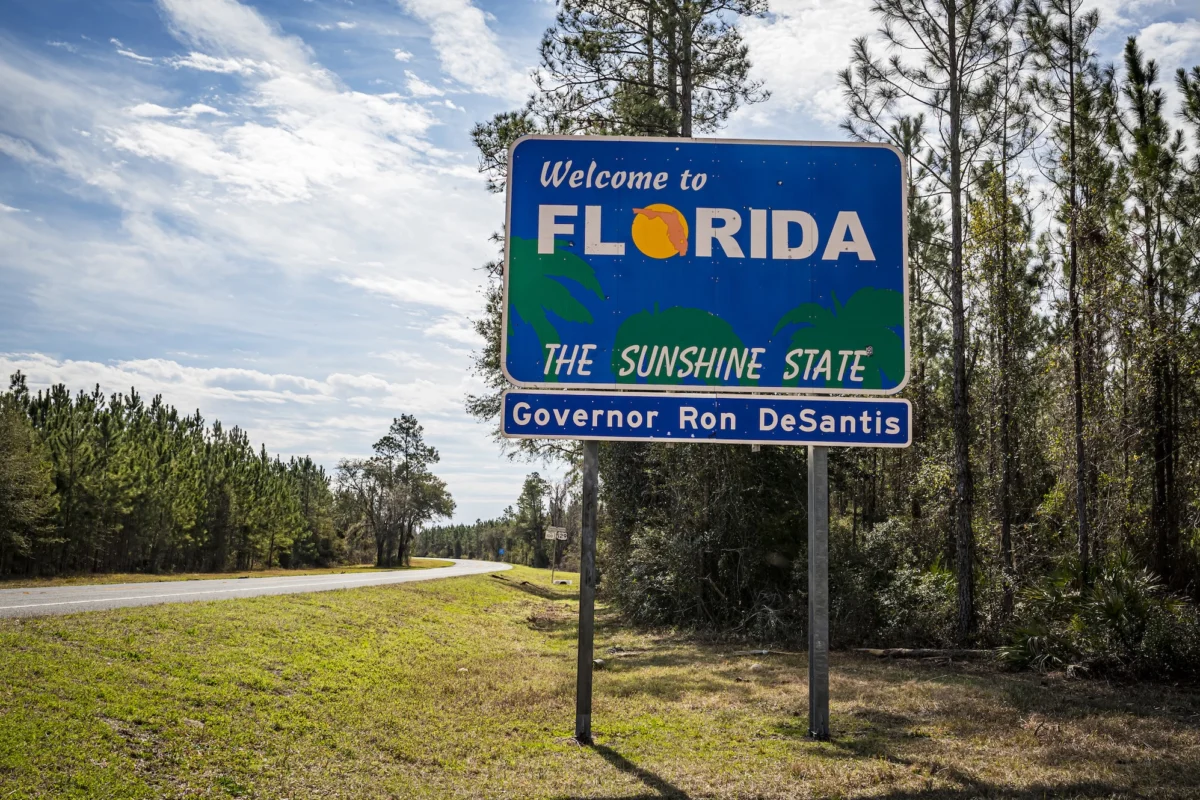
The notorious hacking collective ShinyHunters has made good on its threats, publishing hundreds of thousands of sensitive files purportedly stolen from Florida’s state database of vehicles and driver information. The data dump, which occurred on September 16, 2026, was announced by the group on its leak site, with hackers explicitly stating their motivation: "because the victim did not pay a ransom or cooperate and comply" with their demands. This incident marks a significant escalation in a breach that the Florida Department of Highway Safety and Motor Vehicles (FLHSMV) had previously acknowledged, raising urgent concerns about data security within state government systems and the pervasive threat of cyber extortion.
Chronology of the Breach and Data Release
The timeline of the Florida DAVID database breach unfolds over several critical weeks in September 2026, illustrating the rapid progression from initial intrusion to public data release. The sophisticated nature of the attack, coupled with the hackers’ swift move to publish data, highlights the increasing pressure on government entities to bolster their cybersecurity defenses.
The initial breach of the Driver And Vehicle Information Database (DAVID) is believed to have occurred earlier in September. While the precise date remains undisclosed, the FLHSMV’s subsequent statements indicate that the hackers gained access through a compromised police officer’s credentials. These credentials, critical for accessing state systems, were reportedly stored on a personal device, underscoring a common vulnerability where official data security can be undermined by personal computing habits or device security oversights. This method of entry, leveraging compromised credentials, bypasses many traditional perimeter defenses and points to the critical importance of multi-factor authentication and stringent device security policies for all personnel with access to sensitive systems.
Following the initial intrusion, ShinyHunters claimed responsibility and initiated contact with the FLHSMV, presumably demanding a ransom for the stolen data’s return or non-publication. As is typical for ransomware and extortion groups, they provided proof of their access, including a screenshot purporting to be a record associated with the late sex offender Jeffrey Epstein, who maintained a residence in Florida. This strategic choice of evidence likely aimed to demonstrate the depth of their access and the sensitivity of the data they possessed, thereby increasing pressure on the victim to comply with their demands.
On September 11, 2026, the FLHSMV publicly confirmed the data breach in a statement released on its official website. This proactive disclosure, while necessary, came days after the initial compromise, suggesting a period of internal investigation and verification. The agency’s statement focused on the method of compromise – a police officer’s credentials on a personal device – but at that time, it did not confirm the extent of the data exfiltrated or the specific demands made by the hackers. An agency spokesperson did not respond to TechCrunch’s request for comment on Wednesday, September 16, regarding the published data, indicating either an ongoing investigation or a strategic silence following the public release.
The situation culminated on September 16, 2026, when ShinyHunters announced on its dedicated leak site that it had published hundreds of thousands of files from the Florida DAVID database. The group’s declaration that the data was released due to the victim’s "non-payment or cooperation" confirms the extortion attempt and the FLHSMV’s apparent refusal to capitulate to the hackers’ demands. This decision, while potentially preventing future extortion attempts, directly led to the public exposure of sensitive citizen data.
The DAVID Database: A Goldmine for Malicious Actors
The Driver And Vehicle Information Database (DAVID) is a comprehensive system critical to the operational functions of the Florida Department of Highway Safety and Motor Vehicles, as well as various law enforcement agencies across the state. It serves as a centralized repository for vast amounts of personal and vehicular data, making it an invaluable resource for state services but also a prime target for cybercriminals.
DAVID houses a wealth of information essential for managing driver’s licenses, vehicle registrations, titles, and insurance records. For law enforcement, access to DAVID is crucial for roadside stops, accident investigations, and criminal inquiries, allowing officers to quickly verify identities, vehicle ownership, and outstanding warrants. For citizens, it underpins the ability to register vehicles, renew licenses, and conduct various transactions with the FLHSMV.
The sheer volume and sensitivity of the data within DAVID make it an attractive target for hacking groups like ShinyHunters. Such databases contain personally identifiable information (PII) that can be leveraged for a multitude of illicit activities, including identity theft, financial fraud, spear-phishing attacks, and even more sophisticated forms of social engineering. The inclusion of vehicle identification numbers (VINs) can also facilitate vehicle cloning or illicit sales. The explicit mention by ShinyHunters of a record associated with Jeffrey Epstein served as a powerful, albeit morbid, demonstration of the database’s comprehensive nature and the deeply personal information it contains, signaling the potential for widespread privacy violations.
The compromise of a system like DAVID not only jeopardizes individual privacy but also poses a significant risk to state operations and public trust. The integrity of official records can be called into question, and the resources required to investigate, mitigate, and recover from such a breach are substantial. Moreover, the incident highlights the interconnectedness of state systems, where a single point of failure, such as compromised credentials on a personal device, can have cascading consequences across critical public services.
ShinyHunters: A Persistent Threat in the Cyber Underworld
ShinyHunters is a well-known and prolific cybercrime group that has gained notoriety for its extensive data breaches and subsequent extortion attempts. Operating primarily in the realm of data exfiltration and ransomware, the group specializes in breaching corporate and governmental networks, stealing vast quantities of sensitive data, and then demanding a ransom for its non-publication. Their modus operandi often involves a "name and shame" tactic, where they publicly expose stolen data on their leak sites if their financial demands are not met.
The group first emerged on the cybercrime scene around 2020, quickly establishing a reputation for targeting high-profile organizations across various sectors, including e-commerce, technology, and finance. They have been linked to numerous breaches involving millions of user records, often leveraging sophisticated phishing campaigns, exploiting vulnerabilities in web applications, or, as seen in the Florida incident, compromising legitimate credentials. Their success lies in their ability to monetize stolen data directly through ransom or by selling it on dark web marketplaces.
ShinyHunters’ actions in the Florida DAVID breach are consistent with their established patterns. The initial compromise through a police officer’s credentials aligns with their focus on exploiting human vulnerabilities and weak access controls. The subsequent attempt to extort the FLHSMV, followed by the public release of data due to non-compliance, is a classic move designed to pressure victims and reinforce their reputation as a formidable threat actor. The group’s willingness to publish data, even from government entities, underscores their audacious approach and the growing boldness of cybercriminals targeting public infrastructure.
The existence and continued operation of groups like ShinyHunters highlight a significant challenge for global cybersecurity. They demonstrate a persistent threat model where financial gain drives the relentless pursuit of vulnerabilities. Their activities necessitate a multi-faceted defense strategy that not only focuses on technical safeguards but also on employee training, robust incident response plans, and collaborative intelligence sharing among government agencies and the private sector. The Florida incident serves as a stark reminder that no entity, regardless of its public function, is immune to the reach of these persistent cyber adversaries.
The Scope and Sensitivity of the Compromised Data
The data published by ShinyHunters from the Florida DAVID database represents a significant trove of personal and vehicular information, raising serious concerns about the potential for widespread identity theft and fraud. TechCrunch, having reviewed a copy of the stolen data, confirmed the breadth of the exfiltrated records, which included hundreds of thousands of certificates of vehicle ownership.
These vehicle ownership records are particularly concerning as they contain critical identifying details. Each record typically includes the full names of both buyers and sellers, along with their respective addresses. Crucially, these records also contain Vehicle Identification Numbers (VINs), unique identifiers that can be linked to specific vehicles and their histories. The combination of names, addresses, and VINs can be exploited for various nefarious purposes, including targeted phishing scams, vehicle cloning, or even physical surveillance in extreme cases.
Beyond the vehicle ownership data, a smaller, yet highly sensitive, subset of files contained even more critical personal information. This included Social Security numbers (SSNs), which are often considered the master key to an individual’s financial and governmental identity. The compromise of SSNs opens the door to severe forms of identity theft, allowing criminals to open new credit lines, file fraudulent tax returns, or access existing accounts. Additionally, the stolen files contained other government-issued documents, such as non-U.S. passports and immigration papers. While the number of these documents was smaller, their inclusion is extremely alarming, as they provide comprehensive identity details that can be used for sophisticated fraud schemes, including obtaining false identification or exploiting immigration statuses.

It is important to note what was not included in the published data, particularly in light of other recent breaches. The hackers did not appear to have obtained driver’s licenses or people’s photos from the DAVID database. This distinction is significant, especially when compared to the massive breach at identity verification company IDScan earlier in the same month, which saw over 150 million images of driver’s licenses stolen. While the absence of driver’s license images from the Florida breach is a small silver lining, the presence of SSNs, passport details, and addresses still constitutes a severe privacy violation and a high risk for affected individuals.
The publication of this data underscores the profound impact of such breaches. For the hundreds of thousands of individuals whose information is now circulating on the dark web, the threat of identity theft is immediate and long-lasting. They may face years of vigilance, monitoring credit reports, and dealing with the fallout of compromised personal data. The incident serves as a stark reminder of the digital fragility of personal information held by government agencies and the ongoing need for robust security measures to protect citizen data.
Florida’s Official Response and the Path Forward
In the immediate aftermath of the data publication, the Florida Department of Highway Safety and Motor Vehicles (FLHSMV) found itself in a challenging position. While the agency had previously confirmed the breach on September 11, attributing it to a police officer’s compromised credentials on a personal device, its response to the actual publication of the data remained muted. An agency spokesperson notably did not respond to TechCrunch’s request for comment regarding the public release, a common stance during ongoing investigations where premature statements could compromise legal proceedings or further security efforts.
Typically, when a state agency confirms a data breach and subsequent data publication, several critical steps are initiated. Firstly, an extensive forensic investigation would be underway to fully ascertain the scope of the breach, identify all affected systems, and determine precisely which data elements were exfiltrated. This often involves collaboration with federal law enforcement agencies like the FBI and cybersecurity experts from the Cybersecurity and Infrastructure Security Agency (CISA).
Secondly, the FLHSMV would be legally obligated to notify affected individuals. This notification process is often complex, requiring the identification of all individuals whose specific data was compromised and providing them with clear information about the breach, the types of data exposed, and steps they can take to protect themselves. This usually includes offering free credit monitoring and identity theft protection services for a specified period. The scale of this notification effort for "hundreds of thousands" of individuals would be immense, requiring significant resources and logistical planning.
Thirdly, a comprehensive review of the agency’s cybersecurity posture would be initiated. This would likely involve an audit of existing security protocols, an assessment of employee training programs, and an upgrade of technological defenses. Specific attention would be paid to credential management, multi-factor authentication implementation across all systems, and strict policies regarding the use of personal devices for official business. The incident highlights the critical need for continuous security awareness training for all personnel, particularly those with access to sensitive databases, emphasizing the dangers of phishing, malware, and insecure personal device usage.
Finally, the incident could prompt legislative scrutiny and calls for increased funding for state-level cybersecurity initiatives. Lawmakers might review existing data protection statutes and consider new regulations to enhance the security requirements for state agencies. The long-term path forward for FLHSMV involves not only addressing the immediate fallout but also rebuilding public trust through transparent communication and demonstrable improvements in its cybersecurity infrastructure. This incident serves as a stark reminder that proactive, layered security defenses are not merely technical requirements but fundamental components of public service in the digital age.
A Growing Trend: State Databases Under Siege
The breach of Florida’s DAVID database is not an isolated incident but rather a troubling symptom of a broader and escalating trend: government databases, particularly at the state level, becoming prime targets for cybercriminals. This incident occurs in the same month as another monumental cybersecurity failure – the hack at identity verification company IDScan, which resulted in the theft of over 150 million images of driver’s licenses. Taken together, these events paint a grim picture of the vulnerability of public sector data.
Statistics from cybersecurity firms and government reports consistently indicate a sharp increase in cyberattacks targeting state and local government entities. These attacks are driven by several factors: the immense volume of sensitive personal data held by these agencies, the critical nature of the services they provide (making them susceptible to disruption and extortion), and often, a disparity between their security budgets and the sophistication of threat actors. For instance, reports indicate a significant year-over-year increase in ransomware attacks against government organizations, with some estimates suggesting a 30-40% rise in incidents over the past two years. The average cost of a data breach in the public sector can run into several million dollars, not including the intangible costs of reputational damage and eroded public trust.
The motivations behind these attacks are varied. Financial gain, through ransom or the sale of stolen data, remains a primary driver for groups like ShinyHunters. However, state databases can also be targeted by state-sponsored actors for espionage, intelligence gathering, or to sow discord. The PII found in systems like DAVID is a treasure trove for identity theft, allowing criminals to create synthetic identities, commit financial fraud, file fraudulent tax returns, or engage in medical identity theft. The sheer scale of potential victims from a single breach makes government databases exceptionally attractive.
Furthermore, the interconnectedness of state and federal systems means that a breach in one area can potentially compromise others. Government agencies often share data with various departments, contractors, and third-party vendors, creating an expanded attack surface. The incident with the police officer’s compromised credentials highlights the persistent challenge of insider threats, whether malicious or unintentional, and the need for a "zero-trust" security model where no user or device is inherently trusted.
The increasing frequency and severity of these breaches underscore an urgent need for a paradigm shift in how government agencies approach cybersecurity. This includes significantly increased investment in cutting-edge security technologies, continuous threat intelligence sharing, robust employee training, and the development of resilient incident response plans. Without a concerted and sustained effort, state databases will continue to be vulnerable, placing millions of citizens’ sensitive information at risk.
Broader Implications and Future Cybersecurity Landscape
The Florida DAVID database breach, culminating in the public release of sensitive citizen data, carries profound implications not just for the affected individuals and the FLHSMV, but for the broader landscape of cybersecurity, particularly within the public sector. This incident serves as a stark reminder of the escalating arms race between cybercriminals and digital defenders, and the critical need for proactive, comprehensive security strategies.
For the hundreds of thousands of individuals whose names, addresses, Social Security numbers, and other identifying documents are now exposed, the primary concern is the heightened risk of identity theft and various forms of fraud. Criminals can leverage this data for targeted phishing campaigns, account takeovers, opening new credit lines, or even more insidious forms of social engineering. The long-term psychological toll on individuals constantly worrying about their compromised data cannot be understated, often requiring years of vigilance and credit monitoring. Financial institutions and credit reporting agencies will likely see an uptick in fraud attempts related to Florida residents.
From a governance perspective, the breach will undoubtedly lead to increased scrutiny of Florida’s state cybersecurity policies and infrastructure. Public officials may face calls for accountability, and there could be legislative efforts to mandate more stringent security standards, increase funding for cybersecurity initiatives, and improve data breach notification laws. Experts in cybersecurity, such as Dr. Eleanor Vance, a leading researcher in government security protocols, might comment, "This incident underscores the urgent need for all state agencies to move beyond compliance-based security and adopt a proactive, threat-centric approach. Investing in employee training, robust multi-factor authentication, and secure remote access solutions is no longer optional; it is foundational."
The incident also highlights the critical importance of supply chain security and third-party risk management. The compromise of a police officer’s credentials on a personal device points to vulnerabilities that extend beyond the immediate agency’s network. It emphasizes that every individual with access to sensitive systems, regardless of their role or the device they use, represents a potential entry point for attackers. This necessitates a holistic security approach that encompasses not just organizational networks but also employee-owned devices and the security practices of third-party vendors.
Looking ahead, the ongoing battle against sophisticated hacking groups like ShinyHunters will require a multi-layered defense. This includes not only advanced technical solutions like AI-driven threat detection and robust encryption but also strong human firewalls through continuous security awareness training. Government agencies must foster a culture of cybersecurity, where every employee understands their role in protecting sensitive information. Furthermore, enhanced collaboration between government agencies, federal law enforcement, and the private sector will be crucial for intelligence sharing and rapid response to emerging threats. The Florida DAVID breach is a sobering lesson that the cost of underinvesting in cybersecurity far outweighs the cost of prevention, and that the protection of citizen data must remain a paramount priority for all public institutions.
